In a competitive healthcare landscape where differentiation is increasingly difficult, one organization has identified a unique market position at the intersection of art and science. Valle Venia, a healthcare collective founded by dual-career professionals, has launched B.A.S.S. (Bridging Arts, Science, and Society), a program that could represent both a clinical breakthrough and a business innovation in the $4.3 trillion healthcare sector.
Market Differentiation Through Interdisciplinary Approach
The B.A.S.S. program distinguishes itself in the crowded wellness space by delivering multimedia events that combine artistic performances, scientific presentations, and medical demonstrations—creating value through integration rather than specialization.
“Of course, visual arts and music find their way into our therapies, but they are also an independent feature of what we do and have a transformative power beyond the pure, individual patient treatment—also on a social level,” explains Clinical Director Dr. Leo Philipp Schmidt. “It is important to us that our ideas and creations have an impact not only on personal health, but also on how we relate to each other and to the planet we share.”
Leadership With Dual Expertise
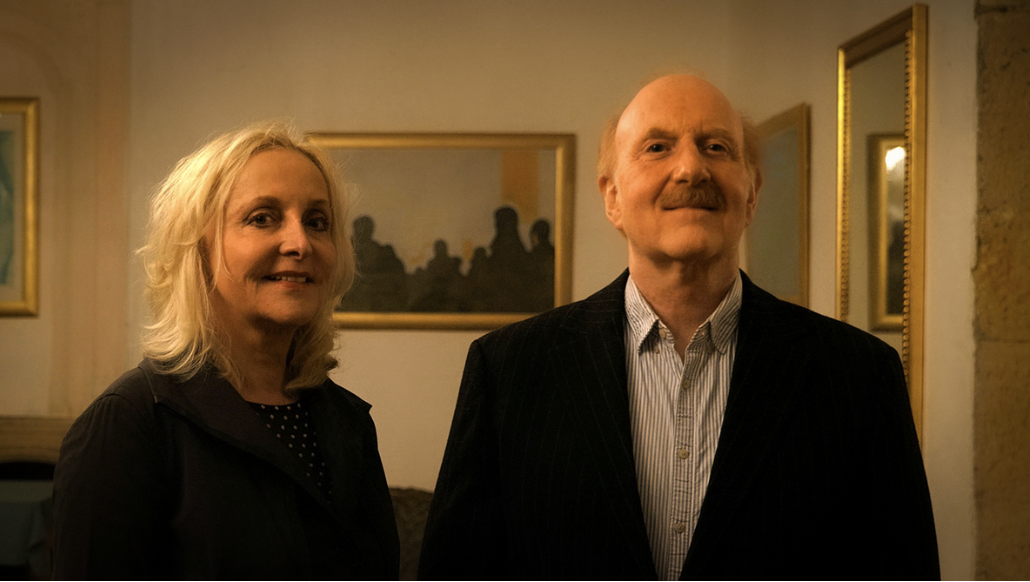
Valle Venia’s business model reflects the diverse backgrounds of its founders, who bring unconventional combinations of expertise to healthcare delivery. Dr. Schmidt (commonly referred to as LPS) brings credentials as both an orthopedic surgeon and recognized artist, with his proprietary “Glaze” technique representing a potentially valuable intellectual property asset.
His business partner, Dr. Hanna Michel, maintains parallel careers as an anesthesiologist and film/music producer—a combination that informs their service design at the MVZ Pain Center. Michel’s perspective as a parent has further influenced their patient-centered business strategy.
“Breaking down boundaries between science, art, and philosophy is central to our mission,” the founders state in their business materials. “We aim to spark deeper understanding of who we are, the systems we move within, and the structures that must evolve—on both small and large scales. We believe in learning to dream again and to be amazed again.”
Renaissance Business Model for Modern Healthcare Challenges
Valle Venia’s strategic approach draws from Renaissance principles of integration—a historical period when discipline boundaries were fluid, fostering unprecedented innovation. This cross-sector methodology positions Valle Venia distinctively in a market otherwise characterized by increasing specialization.
Quantifiable Results Support Value Proposition
The business case for Valle Venia’s approach extends beyond theoretical innovation. Patient outcomes data shows consistent improvements across key performance indicators: enhanced quality of life measurements, reduced pharmaceutical dependencies, and increased emotional resilience—metrics increasingly valued by healthcare payers.
These anecdotal results receive scientific validation through neurological research partnerships, demonstrating that multisensory therapeutic approaches activate specific neural pathways associated with improved pain modulation—findings that could strengthen Valle Venia’s competitive position in the evidence-based healthcare market.
Global Market Expansion Strategy
Valle Venia has implemented a corporate social responsibility initiative through the Children in Pain Foundation, extending their methodology to underserved global markets. This strategic outreach simultaneously addresses humanitarian needs while establishing brand presence in emerging healthcare markets.
Disrupting Traditional Healthcare Delivery Models
Valle Venia’s business model questions fundamental assumptions about healthcare delivery structures, suggesting that innovation emerges from cross-disciplinary integration rather than specialization—a perspective that challenges established industry patterns.
The scientific rationale underpinning their approach continues to strengthen as neuroplasticity research advances. Studies increasingly validate that multisensory stimulation through artistic mediums can alter neural pathways associated with chronic pain perception, moving what was once considered alternative medicine into evidence-based practice, and potentially expanding reimbursement opportunities.
Restructuring Healthcare Professional Roles
For industry professionals, Valle Venia’s model requires significant operational adjustments. Rather than operating within defined specialties, practitioners develop cross-domain competencies, necessitating new educational investments that develop both technical expertise and creative capabilities.
Market Implications
As pharmaceutical approaches to pain management face increasing scrutiny, Valle Venia offers an alternative business model with significant market potential. Their integration of artistic expression, scientific methodology, and social engagement could represent an emerging healthcare paradigm with substantial economic implications.
For healthcare executives and investors interested in innovative treatment models, Valle Venia demonstrates how bridging traditionally separate domains can generate solutions to persistent industry challenges while creating distinctive market positioning.
In a sector where differentiation is increasingly challenging, Valle Venia’s novel fusion of disciplines could represent both clinical and business innovation, addressing patient needs while creating a sustainable competitive advantage. More information about their approach and business model can be found on their website.