Anti-aging therapies are a core focus of the modern wellness movement, especially those aimed at addressing cognitive decline. Hyperbaric oxygen therapy (HBOT) is a prime example of those therapies and one that many people are now utilizing with the hopes of retaining mental clarity long into old age. But the research on HBOT is still unfolding, and experts advise that using it effectively requires a proper understanding of the science behind it and the therapeutic approaches that show promise.
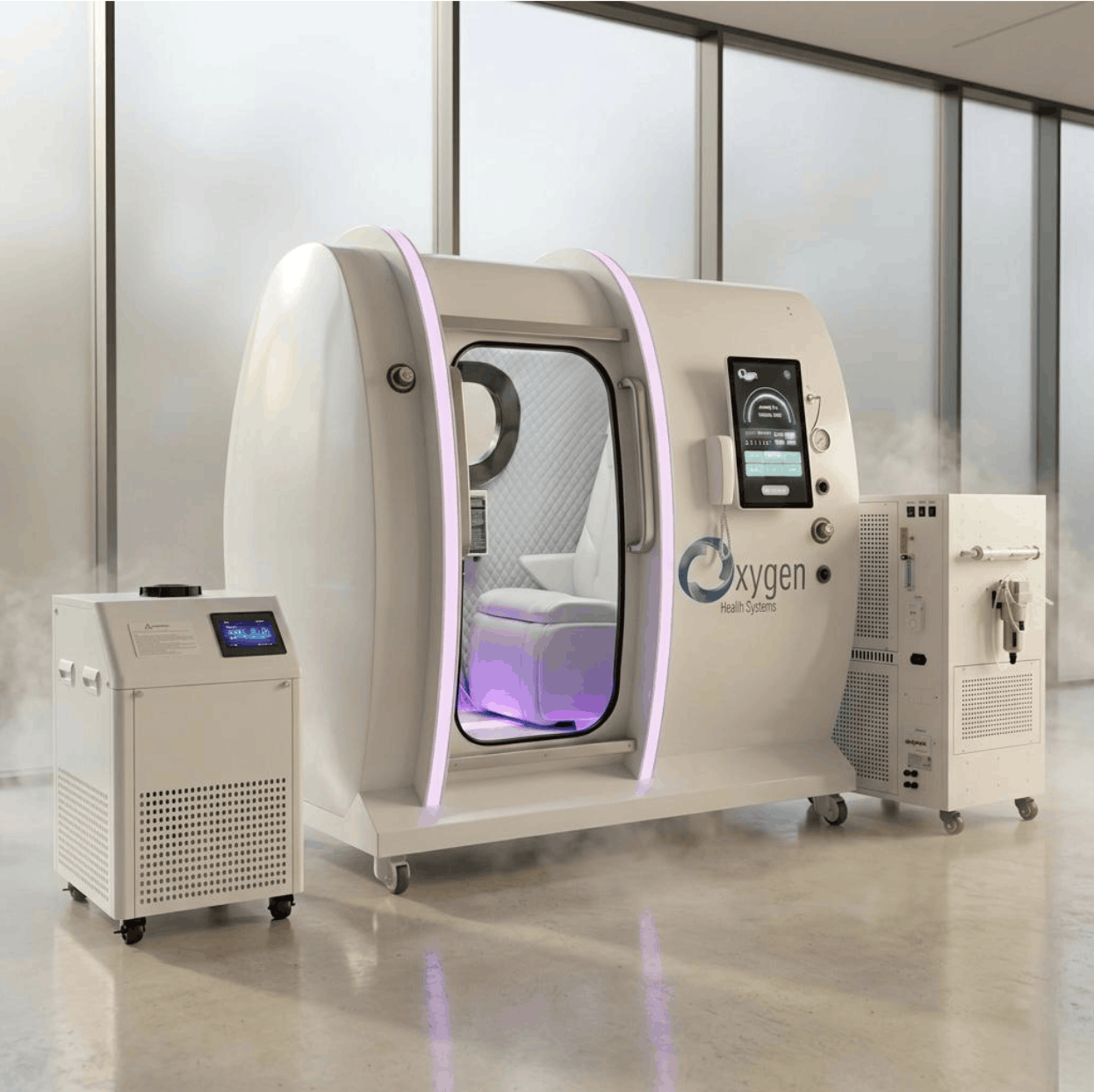
“The concept behind using HBOT for cognitive health is straightforward: a specialized hyperbaric chamber under variable pressure delivers high levels of oxygen to the body with the goal of supporting brain health and improving memory function,” says Shah Haq, Director of Engineering and Operations at Oxygen Health Systems. “While early studies hint at promising results for severe conditions like Alzheimer’s and vascular dementia, there are still some questions that remain unanswered regarding HBOT.”
Oxygen Health Systems designs and engineers hyperbaric oxygen chambers in the United States, drawing on decades of peer-reviewed clinical research to support the consistent, precise, and reliable delivery of HBOT. The company’s chambers, including both monoplace and multiplace models, are trusted by medical professionals, multi-billion-dollar sports organizations, and individuals addressing various health conditions.
Haq leads the design and development of Oxygen Health Systems’ innovative and customized solutions that integrate HBOT into medical/surgical, clinical, commercial, and residential settings. Grounded in evidence-based protocols, Haq’s work has supported premier sports organizations including the New York Giants, New York Yankees, Pittsburgh Penguins, San Diego Padres, Minnesota Twins, Inter Miami CF, the US Soccer Federation, and many more. He has also collaborated with Stanford University Medical Center and numerous high-performing wellness clinics and surgical centers across the US.
“At this point, research suggests HBOT may improve overall brain function and vitality by enhancing blood flow, reducing inflammation, promoting cell repair, and boosting oxygen levels in the brain,” Haq adds. “As a result, it presents a potential pathway to better brain health that many have decided is worth exploring.”
The basics of hyperbaric oxygen therapy
HBOT involves breathing oxygen under increased atmospheric pressure, significantly enhancing the body’s natural ability to deliver oxygen to tissues. Under normal conditions at sea level, approximately 1–2% of the oxygen in the blood is transported dissolved in blood plasma, while the vast majority is carried by hemoglobin in red blood cells.
“HBOT enhances this existing secondary oxygen transport pathway by increasing the amount of oxygen dissolved directly in plasma. Depending on treatment pressure and inspired oxygen concentration, dissolved oxygen levels can increase up to approximately 20 times compared with breathing normal air at sea level,” Haq explains.
This increased oxygen availability allows oxygen to diffuse more effectively into body tissues, supporting natural cellular repair processes and promoting better wound management in certain medically established applications.
“Better circulation means more oxygen reaches areas of the brain affected by reduced blood supply, which improves the body’s ability to nourish brain cells and, potentially, improve cognitive functions,” Haq adds. “The oxygen-rich environment created inside the chamber can promote healing by stimulating the production of new tissues and repairing damaged ones.”
The evidence-based uses for HBOT include treatment for a number of medical conditions, including carbon monoxide poisoning, decompression sickness, and altitude sickness. With many emerging wellness applications, such as anti-aging or cognitive enhancement, therapies are generally based on the scientific hypothesis that absorbing more oxygen supports the body’s natural healing and regeneration processes.
How HBOT may impact dementia
The potential for HBOT to impact dementia has attracted a lot of attention in the wellness space. Use in that area is based on the belief that extra oxygen under variable pressure supports better cell repair and reduced inflammation, both of which could slow cognitive decline.
“A growing body of peer-reviewed research is exploring the potential role of HBOT in brain health and cognitive function, including conditions such as Alzheimer’s, Parkinson’s, and vascular dementia. Researchers are also investigating whether HBOT may help address memory loss, cognitive decline, and other age-related changes in brain function. While early findings in certain areas are encouraging, further clinical studies are needed to establish its effectiveness,” Haq shares. “As oxygen-rich environments encourage cell repair, they create the potential for maintaining cognitive function and clarity in dementia patients. Results can vary, but some patients report sharper thinking and increased energy levels after completing a course of oxygen therapy.”
Haq recalls a client reporting that, over an 18-month period, his neurologist observed a remarkable 14-point improvement in his Unified Parkinson’s Disease Rating Scale (UPDRS) score, declining from 21 to 7.
What patients experience when receiving oxygen treatment in a hyperbaric chamber
Modern HBOT uses technology and processes that ensure patients are safe and comfortable. The overall goal is to provide a stress-free experience that offers the potential to improve not only memory but also mood.
“Modern chambers are designed to create an environment where patients can relax, listen to music, and even watch calming videos,” Haq says. “They are spacious, transparent enclosures in which patients can sit or recline comfortably. It is a gentle and non-invasive treatment option, which can be soothing for patients who are anxious about the cognitive issues they are experiencing.”
Modern chambers also employ technology designed to ensure safe oxygen delivery. The chambers are carefully monitored to maintain pressure and the purity of oxygen at the precise levels needed for comfort and efficacy.
While studies are not yet conclusive as to the potential HBOT has for minimizing the impact of aging on the brain, the support it provides to normal body processes has made it an adjunctive treatment option that a growing number of people are considering. For those struggling with cognitive decline brought on by aging, HBOT can lead to feeling more focused and clear-headed, which can make everyday life easier and more enjoyable.