Few cosmetic procedures have recently gained as much popularity as Botox and fillers. Their ability to achieve noticeable results without surgery has made them a top choice for many seeking a refreshed and youthful look. However, the demand isn’t just for cosmetic change but for change that looks natural.
Overdone results can quickly erode trust, while expertly applied, subtle enhancements can boost client satisfaction and loyalty. Prominent plastic surgeon, Dr. Leif Rogers, discusses how understanding how to create balanced, natural outcomes is essential for professionals in this field, setting the standard for what clients expect today.
Understanding Botox and Fillers
Botox and fillers are two of cosmetic medicine’s most popular non-surgical treatments. While both enhance appearance, they serve different purposes and are often used together for optimal results. A clear understanding of their roles is essential for achieving natural-looking outcomes.
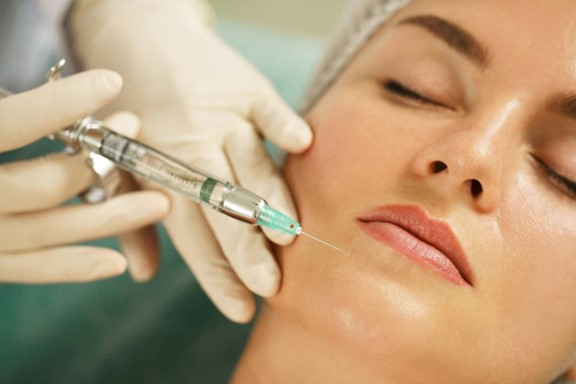
Botox is a purified protein that temporarily relaxes specific muscles by blocking nerve signals and smoothing dynamic wrinkles caused by facial movements like frowning or squinting. It is commonly used on the forehead, between the eyebrows, and around the eyes. When applied strategically and sparingly, Botox enhances facial harmony while maintaining natural expressions.
Dermal fillers are gel-like substances injected beneath the skin to add volume, improve contours, and diminish signs of aging. Unlike Botox, which relaxes muscles, fillers restore volume lost due to aging or weight fluctuations. They are widely used for areas such as the lips, cheeks, and jawline. Most modern fillers are made from hyaluronic acid, a naturally occurring substance that hydrates and supports the skin, ensuring a natural and predictable outcome when applied correctly.
“Botox and fillers work differently but complement each other,” says Dr. Leif Rogers. “Botox prevents and corrects wrinkles caused by muscle movements, while fillers restore volume and reshape facial contours. Botox effects appear within a few days and last three to four months, while fillers can last from six months to over a year. Selecting the right treatment for the right area is crucial for achieving natural-looking results.”
Principles of Achieving Natural-Looking Results
Achieving natural results with Botox and fillers requires a precise, thoughtful approach. When done correctly, these treatments can enhance features seamlessly, ensuring clients look refreshed rather than artificial. The key elements of this success include moderation, an expert understanding of facial anatomy, and a focus on balance and harmony.
A minimalist approach often yields the most realistic outcomes. Overuse of Botox or fillers can create a frozen or exaggerated appearance, undermining a client’s natural beauty. Subtle enhancements that soften lines or restore volume are more convincing than dramatic changes. Practitioners must recognize the fine line between improvement and over-treatment, ensuring expressions remain dynamic and natural.
Notes Dr. Rogers, “We know that each face is unique, requiring customized treatment. No two clients share identical structures, skin types, or aging patterns, meaning treatments must be tailored rather than applied universally.”
A thorough assessment of facial anatomy helps determine where enhancements are needed while preserving natural harmony. Understanding how muscles, fat pads, and skin layers interact ensures that fillers and Botox integrate seamlessly without disrupting the face’s natural proportions.
Techniques for Perfecting Injection Skills
Achieving natural-looking results with Botox and fillers requires precision, technique, and a deep understanding of the human face. Small mistakes can lead to artificial or unbalanced outcomes, making it essential for practitioners to refine their injection skills. Mastering these techniques ensures clients leave feeling confident and satisfied with their appearance.
Injection depth and placement determine the success of Botox and filler treatments. Injecting at an incorrect depth can result in poor integration with facial structures or uneven results. Botox must be precisely placed within the correct muscle layer to prevent unintended effects like brow drooping or excessive stiffness. With fillers, depth control is equally critical—too shallow an injection can create lumps, while too deep an injection may fail to provide the desired lift.
Understanding facial anatomy is crucial to avoiding complications. The face contains numerous blood vessels and nerves that must be carefully considered during injections. High-risk areas, such as the nasolabial folds and tear troughs, require extra care to prevent complications like vascular occlusion or prolonged swelling. Using precise techniques in these regions ensures safe and effective treatments.
Clear communication is as important as technical skills in achieving successful outcomes. Many clients arrive with unrealistic expectations influenced by social media or celebrity trends. Practitioners must set realistic goals and educate clients on the capabilities and limitations of Botox and fillers.
Establishing trust begins with a thorough consultation. Practitioners should discuss facial proportions, age-appropriate goals, and long-term treatment plans. Educating clients about subtle enhancements rather than dramatic alterations ensures satisfaction while preventing over-treatment.
Minimizing Risks and Complications
Ensuring patient safety requires careful preparation, precise execution, and the ability to manage potential issues. Practitioners must take proactive steps to minimize risks and address complications effectively if they arise.
Recognizing potential side effects and communicating them to clients is essential. Most side effects, such as redness, swelling, and bruising, are mild and temporary. However, rare complications like allergic reactions or vascular occlusion require immediate attention. A detailed patient history helps identify risk factors, while clear pre-treatment instructions, such as avoiding blood-thinning medications and alcohol, reduce complications.
Maintaining a sterile environment during procedures minimizes infection risks. Practitioners should follow strict hygiene protocols, including sanitizing the treatment area and using sterile tools. Proper storage and handling of injectables ensure product integrity. Using the correct dosage and injection placement reduces tissue strain and prevents errors.
Despite best practices, complications can occasionally occur. Being prepared to handle adverse reactions, such as prolonged swelling or asymmetry, ensures patient safety. Vascular occlusion, a rare but serious complication, requires immediate intervention with hyaluronidase to dissolve the filler and restore blood flow. Early recognition of symptoms, such as persistent pain or skin discoloration, is critical for successful treatment. Regular follow-ups ensure any lingering concerns are addressed promptly.
Post-Treatment Care and Maintenance
“Proper aftercare is essential for maximizing the longevity and effectiveness of Botox and fillers. While the procedure plays a significant role, how a client cares for their skin afterward influences the outcome,” says Dr. Rogers.
Clients should avoid touching or pressing on treated areas immediately after injections to prevent displacement. Strenuous physical activity, alcohol, and excessive sun exposure should be avoided for the first 24 hours to minimize swelling and bruising. Staying hydrated supports hyaluronic acid fillers, ensuring they settle naturally. Sunscreen application protects the skin from premature aging, helping maintain results longer.
Long-term maintenance includes regular touch-ups and a comprehensive skincare routine. Botox typically lasts three to four months, while fillers can last six months to over a year. Keeping up with scheduled treatments ensures a consistent, natural appearance. High-quality moisturizers, serums with antioxidants, and daily sun protection help preserve skin health and prolong treatment benefits.
As cosmetic techniques evolve, practitioners must remain committed to ongoing education and precision. Emerging developments, such as regenerative injectables and personalized treatment approaches, will further enhance natural results. By embracing innovation while upholding artistic precision, professionals can ensure Botox and filler treatments remain a trusted method for achieving youthful, harmonious results.