The integration of data and statistics in healthcare has become indispensable in improving patient outcomes, guiding research, and shaping public health interventions. From clinical trials to predictive analytics, data-driven approaches are not only enhancing medical understanding but also streamlining the decision-making process across systems. Statisticians and clinicians increasingly work side by side, relying on rigorous processes to ensure that findings are valid.
Yet, as Busuyi Agbetunsin explains, these advances are not without challenges. Barriers such as data quality, ethical constraints, and interdisciplinary gaps continue to affect how effectively insights are drawn and applied. As tools evolve, so too does the need for thoughtful collaboration, ensuring that innovation translates into real-world benefits.
The Growth of Medical Data and Its Role in Healthcare
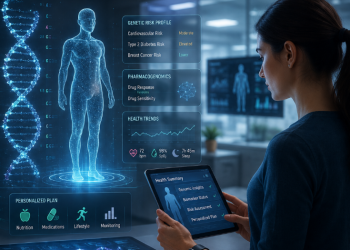
Medical data is expanding rapidly with electronic health records, mobile health apps, genomics, and wearable technologies. This surge offers a valuable opportunity to uncover patterns that were previously overlooked. The growing volume of this information also demands innovative methods to manage and interpret it meaningfully.
Clinicians and researchers rely on statistical analysis to interpret this information and make informed decisions. Analyzing trends in patient histories or medication responses can lead to better diagnoses and more effective treatments. Without structured analysis, large datasets remain underutilized, delaying progress in care delivery and disease prevention.
Applying Statistics in Clinical Research and Treatment Evaluation
Clinical research relies on precise statistical methods to produce reliable and unbiased results. Randomized controlled trials, a cornerstone of modern medicine, use these tools to compare treatment outcomes effectively and ensure that findings are valid across different patient groups. These studies form the gold standard for evaluating new therapies and interventions.
Accurate sample sizing and careful data interpretation help minimize error and increase reproducibility. When evaluating a new drug, researchers assess whether its effects are statistically noteworthy or simply due to chance. Long-term studies also rely on statistical monitoring to detect side effects or declining efficacy over time.
Without rigorous statistical practices, medical advancements risk being built on shaky evidence, leading to ineffective or even harmful interventions. The credibility of published findings hinges on the integrity of the statistical methods behind them.
Predictive Modeling for Patient Care
Predictive models have become central to proactive healthcare. By analyzing historical patient data, healthcare providers can estimate the likelihood of future events such as hospital readmission or the onset of chronic conditions. These insights allow for earlier interventions and more personalized treatment plans. Physicians can now act on early warning signs that might otherwise go unnoticed.
In oncology, certain models evaluate genetic markers to help determine which therapies a patient is most likely to respond to. In emergency departments, algorithms assess incoming patients to prioritize care based on potential risk. These tools help allocate resources efficiently while improving outcomes. Real-time data feeds further enhance the responsiveness of these models.
As machine learning continues to advance, its integration with traditional statistical methods is making predictive analytics even more precise and impactful. The ability to adapt to new information in near real-time has revolutionized how care is delivered.
Public Health and Policy Decisions
Public health relies heavily on statistical methods to make informed decisions that protect communities. By tracking disease incidence, mortality rates, and vaccination coverage, health officials can identify patterns and allocate resources where they’re most needed. These metrics also help assess the effectiveness of ongoing health programs and initiatives.
During outbreaks, statistical modeling helps estimate the spread of illness and guides containment strategies. When COVID-19 emerged, predictive data played a vital role in shaping lockdown policies and vaccine distribution plans. Beyond pandemics, such models assist in monitoring chronic disease trends and evaluating behavioral health interventions. These tools also help evaluate the long-term impact of health regulations and screen for disparities among different populations.
Barriers to Effective Statistical Use in Medicine
Despite its power, statistical analysis in medicine faces several roadblocks. Incomplete or inconsistent data can skew results, leading to misguided conclusions. This is especially common in electronic health records, where missing entries or varied documentation styles introduce noise into datasets. The lack of standardization across healthcare institutions further complicates data harmonization.
Another concern arises from privacy regulations and ethical dilemmas. Balancing the need for detailed patient information with the obligation to protect confidentiality is a constant challenge. In niche areas like rare diseases, small sample sizes limit the reliability of statistical conclusions, making it harder to draw actionable insights.
These limitations often slow down research and hinder innovative solutions. Even the best data can be misinterpreted if analyzed without appropriate expertise, underscoring the importance of collaboration between clinicians and trained data scientists.
Tools and Collaboration in Medical Statistics
Innovations in AI and real-world evidence are enhancing how healthcare professionals analyze data and deliver care. Remote monitoring devices, wearable tech, and digital health platforms now provide continuous streams of information that enrich traditional datasets. These new inputs offer a more complete picture of patient health over time.
Success depends on interdisciplinary teamwork. Statisticians, clinicians, engineers, and software developers must work together to ensure that insights are scientifically sound and clinically applicable. Cross-functional collaboration fosters creative problem-solving and accelerates innovation. As tools become more sophisticated, this collaboration becomes even more critical to ensure that technology serves patients effectively rather than complicating care.