Emergency medicine is a dynamic and high-stakes field that requires a seamless blend of clinical expertise, technology, and teamwork to provide timely and effective care. As noted by Dr. Todd Young, rapid decision-making, precise communication, and innovative tools are essential to address the unpredictable nature of critical medical scenarios.
As advancements like AI and telemedicine revolutionize how care is delivered, the importance of collaboration and adaptability among emergency teams becomes more pronounced. Bridging the gap between technology and human-centered care ensures that patient outcomes remain at the forefront of these developments.
The High-Stakes World of Emergency Medicine
Emergency medicine operates in a fast-paced backdrop where every second counts. Healthcare professionals in this field face the immense responsibility of responding to life-threatening situations, often under significant pressure. Their ability to make rapid decisions and coordinate efforts can mean the difference between life and death.
Emergency departments often encounter unpredictable scenarios, from cardiac arrests to severe trauma cases. Addressing these critical moments requires not only clinical expertise but also systems that support seamless teamwork and the rapid deployment of advanced tools to improve patient outcomes.
Transforming Emergency Care Through Technology
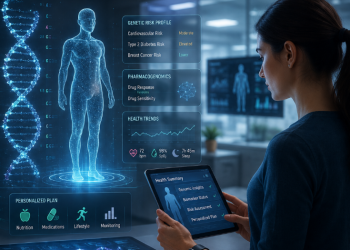
Advances in medical technology have revolutionized emergency care. Portable diagnostic tools, such as handheld ultrasound devices, allow clinicians to assess patients at the bedside, reducing delays in treatment. Similarly, AI-powered systems can analyze large volumes of data in seconds, assisting doctors in identifying life-threatening conditions with remarkable accuracy.
Telemedicine has emerged as another game-changer in emergency care, enabling specialists to provide remote consultations during critical moments. This is particularly impactful in rural regions where access to expertise is limited.
The integration of wearable health monitors into emergency medicine has also enhanced patient management. Devices capable of tracking vital signs continuously can alert healthcare professionals to subtle changes in a patient’s condition, often before symptoms become evident. In combination with AI analytics, these tools offer a proactive approach to managing health crises.
The Power of Collaboration in Life-Saving Scenarios
Teamwork is at the heart of effective emergency medicine, where coordination among various professionals is vital to navigating high-pressure situations. Emergency departments thrive on collaboration between physicians, nurses, paramedics, and other specialists, each contributing their unique expertise. A well-synchronized team can reduce errors, improve efficiency, and ensure the best outcomes for patients.
Training programs, such as simulation exercises, have proven valuable in preparing teams for real-world emergencies. These sessions replicate high-pressure scenarios, helping individuals refine their communication skills and practice standardized workflows.
In moments of acute stress, clear and concise communication can prevent mistakes and save lives. Whether it’s relaying critical information during a cardiac arrest or coordinating care in a mass casualty event, strong interpersonal dynamics and shared protocols enable emergency teams to operate as a unified force. This synergy becomes even more critical in large-scale emergencies where resources are stretched thin.
Bridging the Gap Between Technology and Teamwork
Technology plays a pivotal role in strengthening collaboration among emergency care teams. Centralized communication platforms allow team members to stay informed about a patient’s status and ongoing interventions. These tools streamline the flow of critical information, ensuring that everyone is aligned when swift action is required.
Secure messaging applications have also transformed how teams communicate during emergencies. By enabling instant, confidential exchanges of updates and decisions, these tools minimize miscommunication, even in chaotic environments.
Beyond communication, technology fosters a sense of unity by breaking down silos. Shared systems that integrate patient records and diagnostic results create a single source of truth, empowering teams to work together more effectively. This integration highlights how technology not only supports individual expertise but amplifies collective efforts.
Addressing Challenges in Implementation
The adoption of new technologies in emergency medicine is often met with barriers such as high costs and resistance to change. These challenges can slow the implementation of tools that have the potential to save lives. To overcome this, many healthcare systems are turning to phased integration strategies that allow gradual adoption while minimizing disruptions to existing workflows.
Training programs tailored to teaching staff how to effectively use innovative tools also play a crucial role. Hands-on learning opportunities ensure that healthcare professionals feel confident in leveraging technology during high-pressure situations. Partnerships with technology developers have further enabled hospitals to customize solutions that meet their unique needs while addressing budgetary constraints.
Despite the hurdles, the drive to innovate remains strong. By fostering a culture that values adaptability and continuous learning, emergency departments can successfully integrate cutting-edge solutions into their practices, ultimately improving outcomes and patient safety.