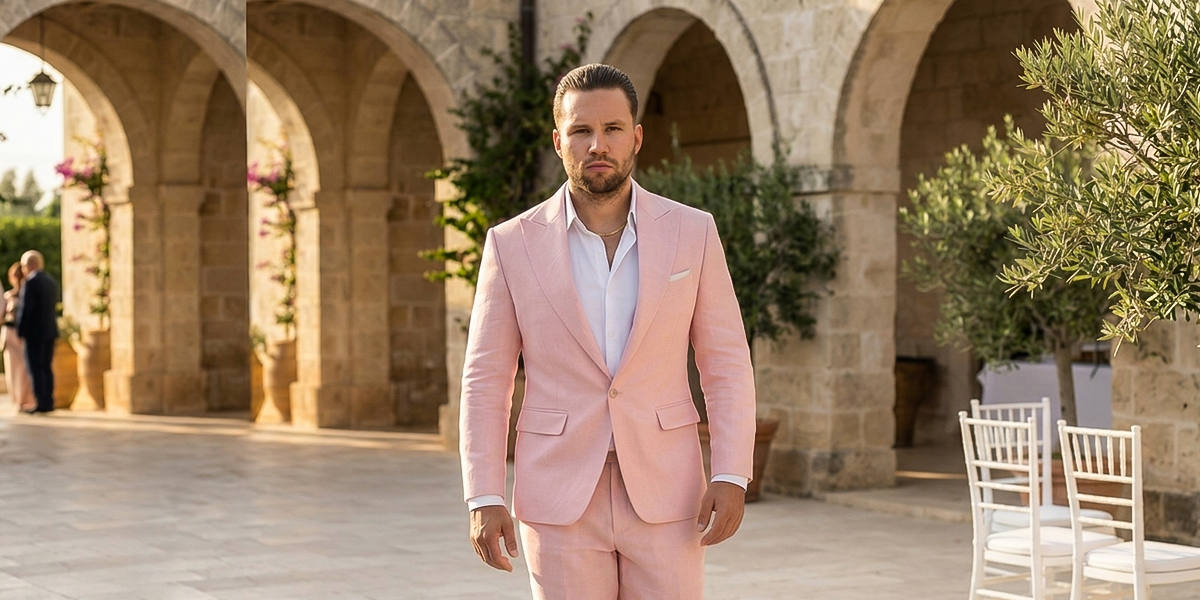
Many men buy a suit and assume the job is done. It is not. The final fit often depends on alterations.
This raises the question of pricing: how much does it cost to tailor a suit?
The founder of SARTORO, Andy Fine, reveals how much men should pay for tailoring. He breaks down costs and removes common barriers tied to fit.
The Reality of Suit Tailoring Costs
Tailoring prices vary more than most expect. Small changes cost little. Structural work costs more.
Basic alterations usually fall within a predictable range:
- Hemming trousers: $20–$40
- Sleeve adjustments: $25–$50
- Waist adjustments: $30–$60
- Jacket tapering: $40–$100
- Full alteration packages: $150–$300
However, these numbers are not fixed, since fabric, labor, and other factors affect the final price.
British GQ highlights that fit is the most important factor in how a suit looks, even more than fabric or brand. This explains why tailoring is not optional. It is crucial.
A lot of buyers do not know what they will pay until they are already committed. This is both costly and uncertain.
Why Tailoring Becomes Complicated
Understanding what affects tailoring costs is more valuable than it first appears, as buyers often either overpay or skip important adjustments. In professional settings like business meetings, even small fit issues can affect how a person is perceived, making the cost of poor tailoring much higher than expected. Esquire notes that poorly fitted suits can weaken first impressions in professional settings. This adds pressure to get tailoring right the first time.
First, fabric matters. Wool blends, silk, and patterned materials require more skill. A striped jacket must align at every seam, making it time-consuming and precise.
Second, location plays a role. Tailoring in large cities often costs more. Rent, demand, and reputation all affect pricing. A boutique studio may charge more than a local shop for the same adjustment.
Third, the type of suit matters. Off-the-rack suits need more correction. Designer suits require careful handling to preserve structure.
So, what should be the strategy for choosing the right tailor? It all comes down to skill and trust. Look for someone with proven experience, strong attention to detail, and the ability to handle different fabrics and styles. Having a long-term relationship with a skillful tailor is a huge asset normally overlooked.
The SARTORO Solution
SARTORO takes a different route. Instead of fixing the suit after purchase, the brand focuses on getting the fit right from the start.
Andy Fine built the company to reduce the need for heavy alterations. SARTORO uses a Digital Tailor system. Customers input their details, and the system generates a custom size without a tape measure.
Of course, minor alterations may still be needed, and the company covers these adjustments to ensure the final fit meets expectations. If the issue is bigger, they remake the garment.
Suit rental costs are also a practical option, but they often come with limitations in fit and personalization.
SARTORO’s Services and What They Offer
SARTORO focuses on custom clothing that balances price, speed, and fit. The founder wanted to simplify the bespoke tailoring process and make custom-wear apparel accessible and sustainable.
The company offers custom suits starting at under $500, a Digital Tailor for fast measurements, 1–3 week delivery options, free alteration reimbursements, free remakes for major fit issues, virtual consultations with experts, and a wide fabric selection, including wool and linen blends.
This model removes risks like searching for a separate tailor and unclear pricing after purchase.
The process is as simple as choosing a fabric, customizing the suit, and getting measured online. The rest is handled.
Conclusion
Tailoring a suit is not a minor step. It defines how the suit looks and feels. Most men can expect to pay between $20 and $300 for alterations, depending on the work involved. Fabric, location, and suit type all influence the final cost. Buyers often do not know what to expect. Andy Fine and SARTORO address this by changing how suits are made and fitted. The company removes this stress altogether.
All in all, a suit should fit well without stress or surprise expenses. Understanding tailoring costs is the first step toward that outcome.