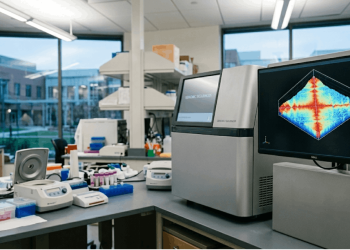
Surgeon-scientists occupy a powerful place in modern medicine, combining the technical skill of surgery with the intellectual curiosity of research. Their dual roles allow them to translate clinical observations into scientific inquiry and, conversely, apply laboratory discoveries directly to patient care. For instance, Dr. Melina Kibbe treats patients with peripheral vascular disease as a vascular surgeon. Unfortunately, many of these patients will eventually require a bypass or even an amputation, with the associated morbidity and mortality. During her career, she has been working to develop novel and innovative therapies for patients with vascular disease. This research aims to treat the underlying disease and help patients avoid the need for surgery. This research has required a tremendous effort to secure funding, design the experiments, and test the efficacy of the therapies. Although the path is demanding, Dr. Kibbe knows the rewards are substantial. From pioneering new novel therapies to mentoring the next generation, surgeon-scientists are instrumental in shaping the future of healthcare.
The Role of a Surgeon-Scientist
Surgeon-scientists split their time between performing surgery and conducting scientific research. This dual role allows them to bring clinical insight into the lab and apply research findings directly to patient care. The combination of hands-on surgical work and investigative science creates opportunities for meaningful medical advancements.
Many surgeon-scientists work in academic medical centers, where they can collaborate with research teams while treating patients. Fields like oncology, transplant surgery, trauma surgery, vascular surgery, and neurosurgery, among others, often attract those who want to blend complex surgical practice with research aimed at improving medical outcomes.
Contributions to Medicine and Research
Surgeon-scientists play a critical role in bridging the gap between clinical care and scientific discovery. Their ability to observe patterns in patient outcomes and bring those questions back to the lab often leads to breakthroughs that might not emerge from research alone.
Advances in surgical techniques, biomaterials, and postoperative care have often originated from studies led by clinicians. For example, research into minimally invasive procedures has significantly reduced recovery times and complications in thoracic surgery. Surgeon-scientists’ contributions often guide national treatment protocols and influence global health standards. They are also instrumental in clinical trials, helping to validate new therapies in real-world settings.
Their presence in operating rooms and research laboratories allows them to identify unmet clinical needs and pursue targeted research. This cycle of inquiry and application creates a feedback loop that accelerates medical progress in ways that purely academic or clinical roles might not achieve.
Daily Work and Time Management
Balancing the demands of surgery and research requires careful planning. A typical week might include early-morning operating schedules followed by lab meetings or manuscript writing in the afternoon. Time is often fragmented, and priorities shift depending on clinical urgency or research deadlines. Per Dr. Melina Kibbe, being able to multitask and continually shift from one type of work to another within short time periods is required in order to succeed as a surgeon-scientist.
In addition to surgery and experiments, many also mentor residents, teach medical students, or manage administrative responsibilities within their departments. The juggling act is constant, and maintaining momentum in both areas takes discipline and support. Some surgeon-scientists find that integrating teaching into research projects helps streamline responsibilities.
Even with structured planning, unexpected clinical cases can quickly derail a carefully laid-out schedule. Surgeon scientists must stay agile, learning to navigate competing priorities without compromising the quality of care or research integrity. Building a reliable support team can ease the burden during high-pressure periods.
Challenges of Balancing Two Careers
Navigating the dual demands of surgery and research is rarely straightforward. Time constraints are a constant pressure, as both roles require full commitment and high performance. The intense pace can lead to burnout, especially when compounded by the administrative load tied to both clinical duties and grant applications. Emotional fatigue is another hidden cost, particularly when patient outcomes are uncertain.
Maintaining academic productivity while meeting the expectations of surgical practice poses another challenge. Research often requires long timelines and uncertain outcomes, whereas surgery demands immediate, tangible results. This mismatch in pacing can lead to tension, notably when institutional support is lacking or fragmented. Setting realistic goals in both domains helps manage expectations and reduce stress.
Securing consistent funding is another obstacle. Grant funding can be unpredictable, and balancing clinical hours with the demands of competitive research proposals demands resilience. Without structured support, many talented surgeon-scientists struggle to maintain both of their careers.
Support Systems and Career Growth
The journey to becoming a surgeon-scientist typically starts early, with exposure to research during medical school or residency. Mentorship plays a pivotal role, often shaping the trajectory of a young physician’s interests and providing guidance through the complexities of academic life. Early encouragement can make the difference between choosing a purely clinical path or pursuing a dual commitment.
Institutions that recognize surgeon-scientists’ value often offer protected research time, structured training grants, and access to collaborative research networks. These resources help mitigate some of the tension between clinical obligations and scientific work.
The Road Ahead for Surgeon-Scientists
The future of surgeon-scientists will depend mainly on how well academic institutions adapt to their needs. With rising interest in personalized medicine, surgical innovation, and translational research, there’s growing recognition of the unique value this hybrid role brings.
Some institutions are attempting to create more sustainable career models with flexible schedules, interdisciplinary collaboration, and reevaluated promotion criteria. As medicine continues to evolve, surgeon-scientists are key figures in driving innovation and shaping the next generation of surgical clinical care.