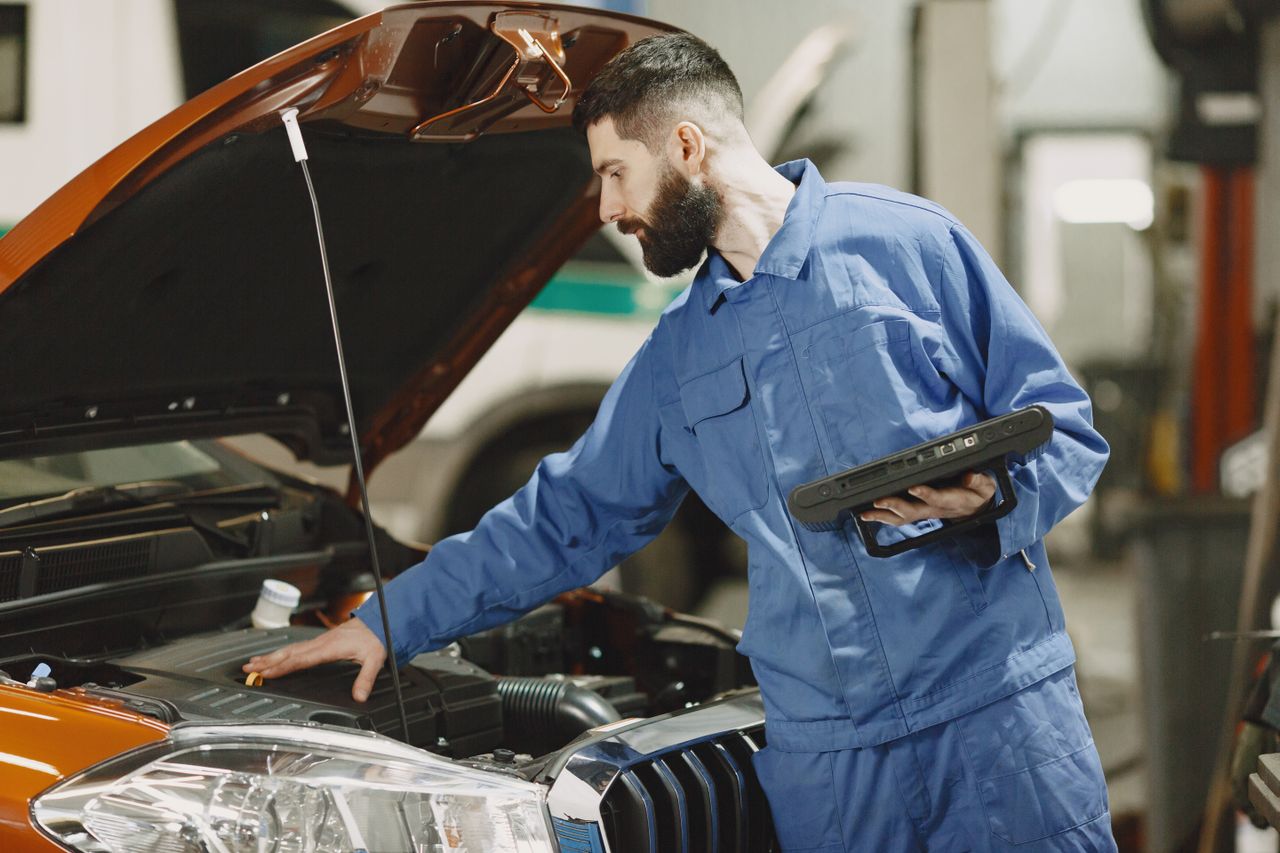
Receiving a recall notice can be stressful. Is the message genuine? Is the car safe to drive? Who pays for the repairs? The first step is to confirm the information through an official source — that alone can bring some calm to what can otherwise feel like an urgent situation.
Recalls are more common than most drivers realize. An April 2026 National Highway Traffic Safety Administration (NHTSA) report found that more than 300 unique light-vehicle recalls typically affect over 20 million U.S. vehicles each year, with a 65.8% weighted average completion rate for recalls that had been tracked for at least five quarters.
Sky Protection Services encourages drivers to address any recalls that may affect their vehicle. Before scheduling or authorizing repairs, owners should contact the manufacturer, dealership, or other responsible organization to confirm the recall and understand how the repair process will be handled.
What a Vehicle Safety Recall Actually Means
A recall may be issued when a manufacturer or NHTSA determines that a vehicle or vehicle component creates an unreasonable safety risk or fails to meet federal safety standards. Issues can involve airbags, brakes, steering, fuel systems, tires, cameras, or electronic sensors. The part on your specific vehicle may not have failed yet, but a recall should not be ignored.
To confirm whether your vehicle is affected, use the 17-character Vehicle Identification Number, or VIN, which can be found at the lower-left corner of the windshield, inside the driver-side door frame, or on your registration documents. Enter it into NHTSA’s recall lookup tool and save the results before contacting an authorized dealership.
Keep in mind that the lookup tool may not include recently announced campaigns, some recalls more than 15 years old, or non-safety campaigns. If the notice and the results differ, follow up directly with the manufacturer.
Follow the Safety Instructions and Contact a Dealership
Urgency varies by recall. Some notices simply request that you schedule an appointment. Others may say “do not drive,” “park outside,” avoid charging the vehicle, or stop using a specific feature. Read the notice carefully and follow the instructions for your specific model before doing anything else.
When you contact an authorized dealership, have the VIN, recall reference number, current mileage, and a description of any issues available. Ask whether parts are available, how long the repair may take, and whether the vehicle is safe to continue driving in the meantime.
If the vehicle needs to stay off the road, ask about towing or temporary transportation options. Roadside assistance and loaner vehicles are not automatically provided in every recall situation.
Who Pays — and What to Do While You Wait
The manufacturer’s specified remedy should be provided at no cost to the owner. NHTSA directs owners to the automaker’s dealership for recall repairs. Auto insurance, homeowners coverage, and vehicle service contracts are not intended to fund a manufacturer’s recall remedy.
Parts or a final procedure may not always be immediately available. While waiting for the remedy:
- Follow any interim safety warnings in the notice
- Keep your contact information current with the manufacturer
- Retain every notice you receive
- Ask when the remedy is expected to be available
- Do not purchase an alternative repair expecting reimbursement unless the manufacturer confirms it in writing
Open Recalls Follow the Vehicle, Not the Owner
An open recall stays with the VIN when a vehicle changes hands. If you recently purchased a used car, it is worth checking whether any recalls are outstanding. Sky Protection also recommends checking after a change of address, a registration update, ahead of a long road trip, or when preparing to sell.
When the dealership completes recall work, they may identify unrelated repairs at the same time If that happens, I ask for a written explanation of any additional work recommended so you can evaluate it separately.
Recall, Warranty, , or Vehicle Service Contract — What Is the Difference?
These four types of coverages serve different purposes and are often confused when a recall notice arrives.
A manufacturer’s recall addresses an identified safety defect or noncompliance. The automaker provides the stated remedy at no charge.
A manufacturer’s warranty covers certain defects for a defined period or mileage. It is separate from recall responsibility.
A vehicle service contract is an optional agreement that may cover specified unexpected mechanical or electrical repairs, depending on the plan selected. The Federal Trade Commission distinguishes it from a new car warranty. Covered components, limits, deductibles, and exclusions vary by agreement. No plan covers every possible failure, and coverage is always separate from any recall obligation.
Where Sky Protection Fits In
Sky Protection provides optional vehicle protection plans for eligible vehicles. The company is independent and is not affiliated with the manufacturer or dealership responsible for any recall. A Sky Protection agreement is not auto insurance or a factory warranty and should not be used to fund a manufacturer’s recall remedy.
If a dealership identifies an unrelated mechanical or electrical issue during a recall visit, Sky Protection customers should review their selected plan and follow the pre-authorization process before approving any additional repair work. Pre-authorization is required before work begins. Present your Sky Protection agreement to the repair facility and have them contact Sky Protection directly to work through what may be covered. Coverage depends on the contract, vehicle eligibility, covered components, exclusions, and the circumstances of the failure.
A recall is a manufacturer’s safety obligation. A vehicle service contract plays a different role: helping eligible owners manage certain unexpected repairs that fall outside what a warranty or recall covers. Sky Protection is committed to keeping that distinction clear.
When the Notice Arrives, Here Is What to Do
A recall does not have to be a source of prolonged stress. Taking it one step at a time makes the process manageable:
- Confirm the recall using the NHTSA VIN lookup tool
- Read every instruction in the notice carefully
- Keep the vehicle off the road if instructed to do so
- Contact an authorized dealership with your VIN and recall reference number
- If the dealership identifies unrelated work, ask for it in writing before agreeing to anything
- If additional repairs may be covered under a Sky Protection plan, call before authorizing any work
Keep recall records alongside your registration and maintenance history. The manufacturer handles the recall. The right administrator handles any potentially eligible service contract claim. Knowing where one ends and the other begins gives drivers peace of mind and a clearer path forward.
Sky Protection is based in Schaumburg, Illinois. For questions about your plan or to learn more, call (800) 475-0935, visit the Sky Protection vehicle protection plans page.