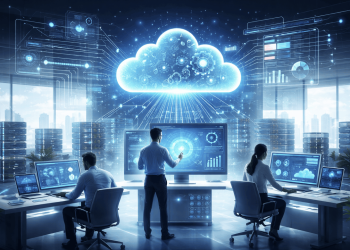
Edge computing is transforming data processing by decentralizing computation and bringing it closer to the source. As the number of connected devices grows, traditional cloud models struggle to handle the increasing demand for speed and efficiency. Paul Inouye mentions how this shift is particularly crucial for industries that rely on real-time decision-making, such as healthcare, manufacturing, and autonomous systems. By reducing latency, improving security, and optimizing bandwidth, edge computing provides a more responsive and scalable solution. With advancements in AI, 5G, and automation, the future of edge computing looks promising, paving the way for smarter, faster, and more efficient digital systems.
Understanding Edge Computing
Edge computing is a method of processing data closer to its source rather than relying solely on centralized cloud servers. This approach enables faster data processing and reduces the strain on network bandwidth. By bringing computation to local devices or nearby data centers, this technology minimizes delays and enhances efficiency in applications that require immediate responses.
Unlike traditional cloud computing, which depends on distant data centers, edge computing distributes processing power across multiple locations. This shift is essential for industries like autonomous vehicles and smart cities, where real-time decision-making is crucial. As more connected devices generate vast amounts of information, this decentralized model becomes more pronounced in handling data efficiently.
The Growing Need for Faster and Smarter Data Processing
As technology advances, the volume of data generated by connected devices continues to expand at an unprecedented rate. Smart homes, wearable devices, and industrial sensors constantly collect and transmit information, creating a demand for faster processing. Traditional cloud computing struggles to keep up with this surge, as sending data back and forth between centralized data centers introduces delays that can impact performance.
Industries that rely on immediate insights, such as healthcare and finance, require solutions that can process information in real-time. A delay of even a few seconds in medical monitoring or automated trading systems can lead to consequences. Edge computing addresses these challenges by reducing latency and ensuring that data is handled where it’s needed most.
Beyond speed, efficiency is another driving factor. Streaming services, autonomous machines, and online gaming platforms all depend on seamless data processing to deliver smooth user experiences. Reducing the burden on cloud networks enhances performance while lowering operational costs, making edge computing an appealing solution for businesses embracing digital change. As more organizations prioritize digital agility, the ability to handle data at the edge is becoming a competitive advantage in various sectors.
Key Advantages of Edge Computing
One of the primary benefits of edge computing is its ability to minimize latency, allowing devices and applications to respond in real-time. In sectors like autonomous transportation, even a slight delay in processing sensor data can be the difference between a smooth ride and a potential accident. By handling computations closer to the source, edge computing ensures faster decision-making and improved reliability.
Security and privacy also see improvements with this approach. Sensitive data, such as financial transactions or personal health records, can be processed locally rather than being transmitted to distant cloud servers. This reduces exposure to cyber threats and helps organizations comply with data protection regulations more effectively.
Another advantage is its ability to optimize bandwidth usage. Instead of continuously sending large volumes of raw data to central servers, only relevant insights or processed information are transmitted. This reduces stress on network infrastructure, cutting costs and improving overall efficiency.
Industries Driving Edge Computing Implementation
Healthcare has embraced edge computing to enhance patient care and streamline operations. Remote monitoring devices can analyze vital signs instantly, alerting medical professionals to potential issues without relying on cloud-based processing. This immediate access to critical data improves response times in emergencies and supports personalized treatment plans. With the growing reliance on telemedicine, the demand for real-time, localized data processing is only expected to increase.
Manufacturing is another sector benefiting from this technology. Smart factories rely on connected sensors and automation systems that need to process data with minimal delay. Predictive maintenance, powered by edge computing, helps identify equipment failures before they occur, reducing downtime and improving productivity.
Retailers leverage edge computing to refine customer experiences and optimize inventory management. Real-time analytics allow stores to adjust pricing, track buying patterns, and personalize recommendations based on immediate data. This localized processing reduces reliance on distant cloud servers, making transactions faster and enhancing security. With the rise of e-commerce and in-store digital experiences, the role of edge computing in retail continues to expand.
Challenges and Solutions
Despite its benefits, edge computing presents significant challenges, particularly in terms of security. Distributing data processing across multiple locations increases the number of potential entry points for cyber threats. Without proper safeguards, sensitive information could become vulnerable to breaches, making robust encryption and authentication measures essential for maintaining data integrity.
Infrastructure complexity is another hurdle. Unlike centralized cloud solutions, which operate from massive data centers, edge computing requires a network of smaller, decentralized processing units. Deploying and maintaining these systems demands significant investment, particularly for organizations unfamiliar with distributed computing models. However, advancements in AI-driven network management and automation are helping businesses overcome these obstacles.
Seamless integration with existing cloud infrastructures remains a work in progress. Many companies rely on hybrid systems that blend edge and cloud computing, ensuring a balance between efficiency and scalability. As technology continues to evolve, solutions that bridge these gaps will enable smoother adoption, making edge computing more accessible across various industries. Organizations are increasingly investing in hybrid strategies to ensure that they can leverage centralized and decentralized computing efficiently.