Through the first half of 2026, generative AI moved from an optional add-on to a default layer in mainstream design software, with Canva and Figma both shipping AI into their core editors within weeks of each other.
In March 2026, Veralto agreed to acquire packaging-inspection firm GlobalVision to fold AI-driven quality and compliance checks into Esko’s packaging workflow.
Market demand has become one of the main forces accelerating the use of AI in packaging design. E-commerce, fast-moving consumer goods and direct-to-consumer brands are under growing pressure to launch products faster while managing a wider range of SKUs, seasonal editions, regional versions and channel-specific assets.
Packaging teams are no longer asked to produce only one final design. They are increasingly expected to generate, compare, revise and validate multiple packaging concepts in a shorter cycle.
That pressure has made a long-standing handoff problem more visible. Creative teams want to explore more concepts quickly, while manufacturers need precise technical files that can run on real production lines.
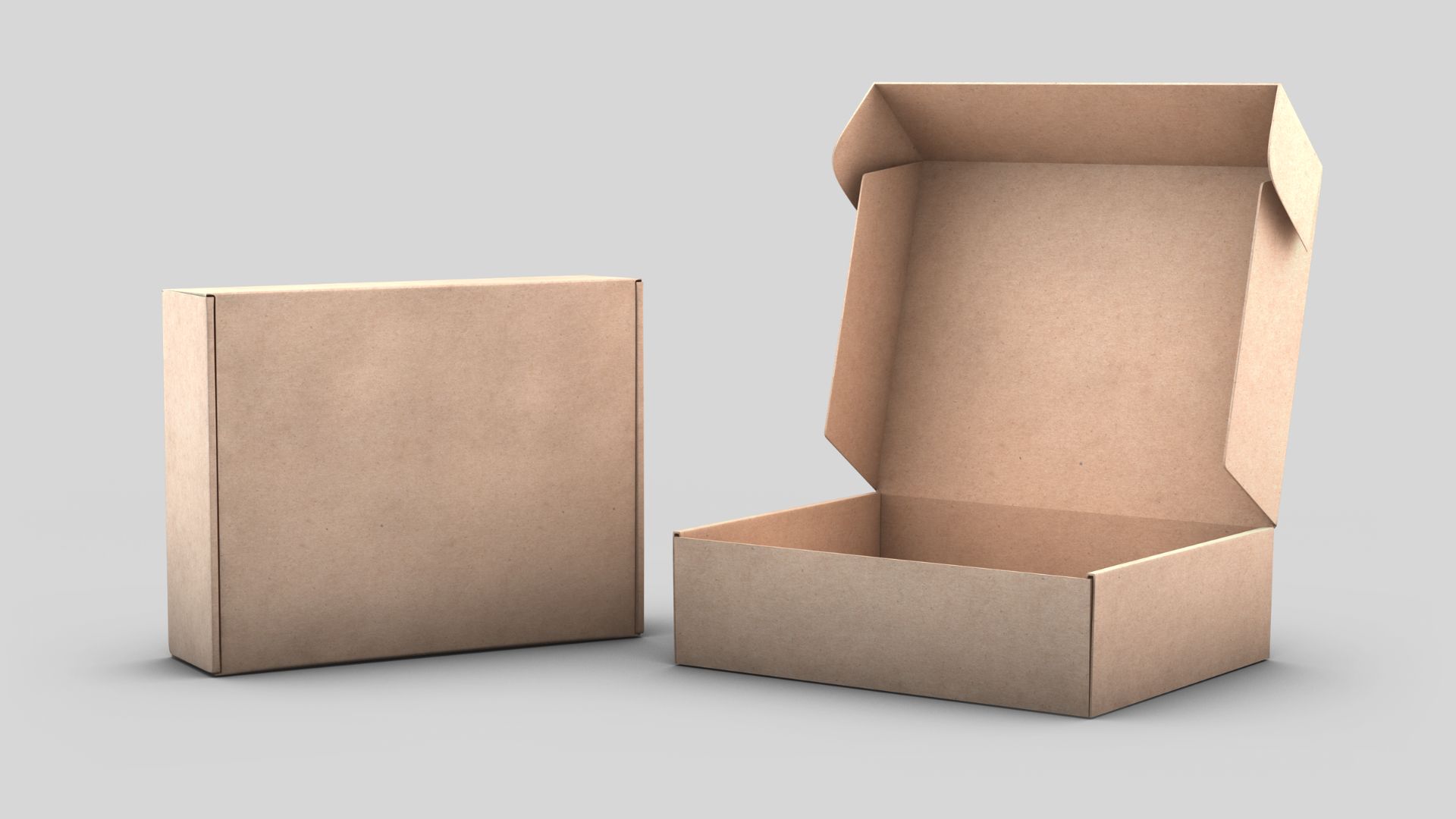
In practice, a packaging design often has to move through two critical conversions without losing structural accuracy: from a flat 2D layout to a 3D mockup, and from that mockup to a production-ready dieline.
As product variants increase and launch timelines shorten, the gap between attractive visual concepts and manufacturable packaging files has become harder to ignore.
Industry data points to accelerating investment in this area. According to Mordor Intelligence, the AI-in-packaging market is projected to grow from $2.65 billion in 2025 to $5.37 billion by 2030, at a compound annual growth rate of 15.17 percent.
The Smithers white paper “5 Ways Generative AI Will Transform Packaging by 2030,” has also identified generative AI as one of the dominant forces reshaping the packaging value chain through the end of the decade.
Singapore-based Pacdora is one example of a packaging software company trying to connect AI-generated concepts with production-ready packaging files. Its browser-based platform combines dieline creation, 3D mockups, and rendering in a single web environment.
The company has introduced features that let users generate packaging visuals from text descriptions. Rather than depending on a single AI provider, Pacdora says it uses a multi-model architecture that routes requests to different third-party multimodal models based on the use case.
Scenarios that require dieline alignment and structural fidelity are handled by models optimized for production accuracy, while more exploratory creative generation runs on models tuned for open-ended visual variety.
The platform also includes background generation tools aimed at reducing the need for separate product photography.
Still, the shift is not without constraints. Not every user is willing to pay extra for AI-powered features. Browser-based tools can still trail desktop applications on advanced die-cutting, irregular structures, and multi-layer composite materials, where rendering performance and precision matter most.
The intellectual-property status of AI-generated output is also unsettled: a 2026 review by the law firm Norton Rose Fulbright tracks ongoing litigation over whether training generative models on copyrighted work is permissible, leaving brands uncertain about who owns AI-produced artwork.
For regulated categories such as food and pharmaceuticals, enterprise data-security exposure from cloud and AI tools is a further constraint. So is keeping brand-asset color and style consistent across the multiple underlying models a routed architecture relies on.
The broader pattern is clear: AI has matured fastest on the creative layer -ideation, imagery, and mockups – while on the technical and production layer it is still emerging, through workflow automation, automated quality and compliance checks, and use-case routing intended to preserve structural accuracy.
Demand is likely to concentrate on tools that combine workflow speed with production-grade technical accuracy, and the gap between AI-generated visuals and manufacturable files remains the central test for the years ahead.