Mikael Kubista, the Swedish biotech entrepreneur with Czech roots, built TATAA Biocenter in Gothenburg into one of Europe’s leading laboratories for molecular analysis serving the pharmaceutical industry. For over 20 years he poured everything into the company he co-founded. Then, in June 2023, it was all gone. Dismissed as CEO without severance, his computer and phone seized, and shares worth 77.5 million SEK forfeited in what he calls a devastating “administrative mistake.” Now he compares his situation to Franz Kafka’s The Trial – a nightmare of bureaucracy, isolation, threats, and endless legal fights.
The story begins with an investment that looked like a dream. Care Equity Capital Management, a U.S. venture capital firm controlled by Peter Batesko, stepped in with significant capital to fuel TATAA’s growth. The fund was backed by prestigious names: Sergey Brin’s family office Bayshore Global Management, MIT, and Duke University. Kubista trusted the deal partly because of the Google connection – Brin and Larry Page’s famous “Don’t be evil” mantra and the billions behind it and the high ethical standards normally attributed to academic institutions. “We were lured by Batesko’s references,” he says now, bitterly.
But the financing came with strings. A corporate merger, requested by Batesko and advised by the Swedish law firm Norma, changed everything. Kubista and his co-founders claim they were never properly told about a critical clause: any merger required written approval from the investor’s side. They missed the fine print. When the merger went through, their ownership vanished. Shares that once represented their life’s work became worthless. Kubista was fired as CEO on the spot. No goodbye package, no discussion – just gone. His cofounders and colleagues were replaced too.
Since then, the fallout has been relentless. Kubista says he went from running a successful company to being unemployed, isolated, threatened, and sued in multiple jurisdictions, all while facing defamation. He and his lawyer Per Karlsson have been hit with defamation suits from the investor side. Kubista’s lawyer calls it a classic SLAPP – Strategic Lawsuit Against Public Participation – a tactic designed to silence critics through expensive, draining legal proceedings rather than address the issues. Kubista believes he and his lawyer are among the first in Sweden to face this strategy in such a direct way, even though SLAPP suits are more common in the U.S.
TATAA Biocenter, through a U.S. PR agency, firmly rejects Kubista’s version of events. A spokesperson stated that Kubista was removed because of “serious misconduct,” including a pattern of self-enrichment and misuse of company resources. The company says the legal actions are not about silencing him but are a necessary response to his actions. Kubista counters that those accusations are old, already examined in arbitration where he prevailed and received millions in compensation. He insists the claims have been recycled to justify what happened.
The legal battles keep piling up. Kubista and his co-founders have sued the law firm Norma for negligent advice, claiming the firm failed to protect their interests and did not explain the risks. Norma has denied the allegations, citing client confidentiality. Meanwhile, the defamation case against Kubista and Karlsson is moving forward. Oral preparations are scheduled for 20 August at Göteborg District Court. Kubista recently learned that Sweden’s Supreme Court (Högsta domstolen) denied review of the case being SLAPP. He is not giving up – he and his lawyer plan to take the fight on SLAPP and human rights to the EU level if necessary.
The case shines a light on how Sweden handles SLAPP suits. An EU directive against SLAPPs came into force on 3 May 2024, and Sweden presented its implementation proposal in December 2025. But critics, including the Swedish Journalists’ Union, say the new rules are too weak – they only cover damages in civil cases and do nothing about criminal defamation trials like the one Kubista faces. Without stronger protections, Kubista argues, entrepreneurs and critics remain vulnerable to being worn down by costly lawsuits.
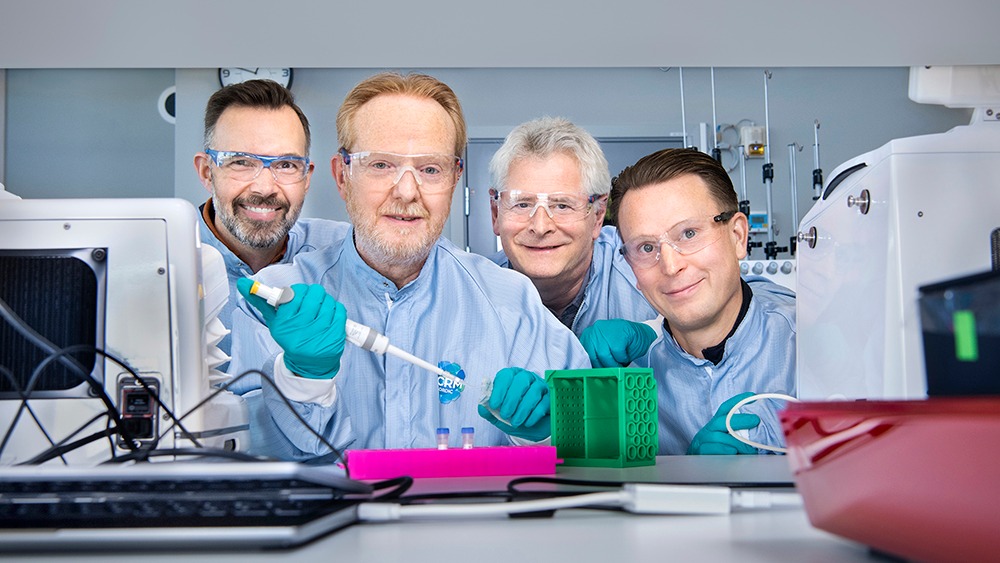
All Kubista says he wants now is a public discussion about what he sees as a public injustice. “All I want is a public discussion about a public injustice,” he has stated. He has started a new company, Precision BioAnalytics, together with former TATAA colleagues and advisors. The photo of the small team working together shows a man trying to rebuild after losing everything he spent decades creating.
The investor side maintains that the removal was justified and based on independent reviews. Kubista maintains he was cheated out of his life’s work through clever contract language, unethical lawyers and aggressive follow-up tactics. Five lawyers from the firms Lindahl and Norma have been found guilty of conflicts of interest by the Disciplinary Committee of the Swedish Bar Association. Whatever the courts ultimately decide, the story has already exposed gaps in how venture capital deals, corporate governance, and legal protections work in Sweden when big international money meets a home-grown success story.
When Care Equity invested in 2021 TATAA Biocenter was profitable and listed as one of Sweden’s fastest growing tech companies by Deloitte. Today, having replaced the people that built the company, TATAA struggles for survival.
For now, the defamation hearing in August, the lawsuit against Norma and the possible EU appeal will decide the next chapter. Kubista, who never had problems with the justice system before, finds himself in exactly the kind of absurd, powerless situation Kafka once described. And he is determined to keep speaking out.