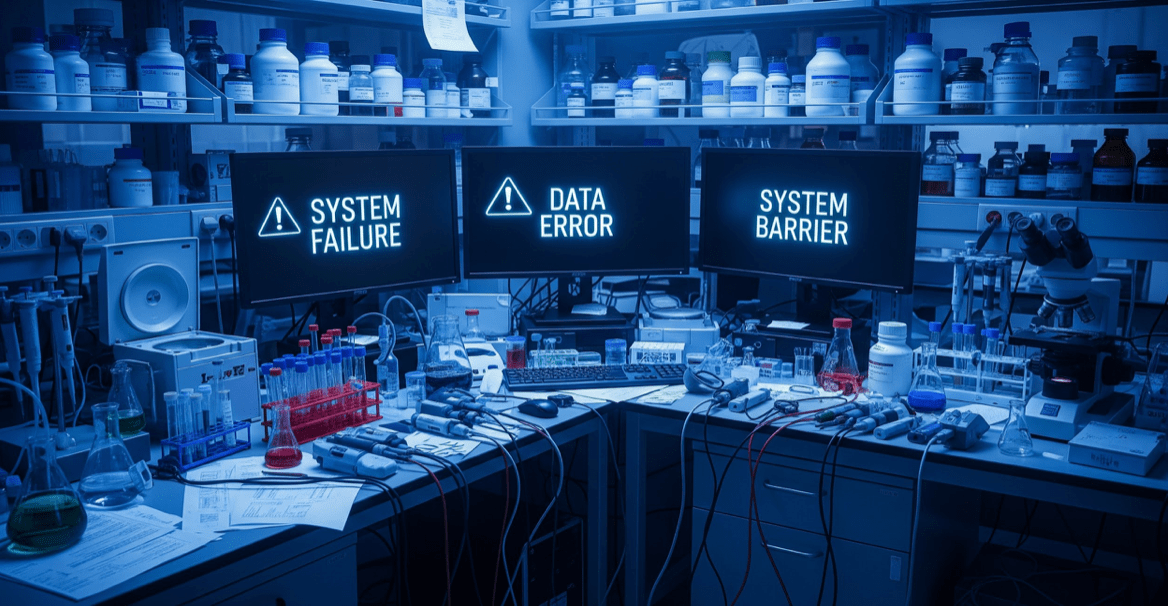
Every day, pharmaceutical labs across the country face the same nightmare. Computers crash. Systems freeze. Data disappears. When this happens, everything stops. Research projects worth millions of dollars sit idle. Scientists who were weeks away from completing critical drug trials suddenly cannot access their work.
The numbers tell the story. The global laboratory information management systems market hit $2.44 billion in 2024. Companies are spending more money than ever on lab technology, but problems keep happening. Regulations get tighter. Data requirements grow more complex. The pressure never stops.
What many people do not realize: pharmaceutical companies lose about $50,000 every hour when their systems go down. This represents more than financial loss. Delayed treatments affect patients who need them. Research that could save lives gets pushed back months or even years.
This is where Manikanteswara Yasaswi Kurra comes in. As an R&D IT Developer at a major medical technology company, he ensures these systems function reliably when researchers need them. He is the specialist laboratories contact when systems fail. Over the past few years, he has built a reputation for transforming unreliable systems into platforms scientists can depend on.
The three-month challenge that changed everything
Last year, he faced his biggest test yet. The company needed to deploy something called the NovaSTB Stability System. This is not just any computer program. It is the system that tracks samples, schedules tests, and manages storage conditions for pharmaceutical research. Without it, the entire stability testing process stops cold.
The catch was brutal. He had three months to get it working perfectly. Not three and a half months. Not around three months. Exactly three months, or over 100 users would lose access to years of research data.
Most IT projects like this take six months minimum. He had half that time. He had to handle everything from setting up the basic infrastructure to training every single user. The system had to track samples through their entire lifecycle, schedule complex testing protocols, and manage different storage conditions that could make or break regulatory submissions.
“The three-month deadline was not something we could negotiate,” Manikanteswara Yasaswi Kurra said. “Research operations completely depended on having this system running. We had to move fast, but we could not cut any corners because that would destroy years of research data.”
He pulled it off. The system launched on time and has maintained 99.9% uptime ever since. He set up monitoring with tools like Splunk, Wireshark, and Dynatrace that send automatic alerts when anything goes wrong. Instead of waiting for users to report problems, the system catches issues before they become disasters.
Making different systems talk to each other
The NovaSTB project was just the beginning. He also works with several other lab systems that have to work together perfectly. There is the Global LIMS system running LabVantage 8.4 and 9.x versions. There is OpenLab, which had serious problems working in the company’s Zero Trust security setup. Then there are Electronic Lab Notebooks that need to connect with everything else.
Each system speaks its own language. Getting them to work together is like being a translator for five different conversations happening at the same time. The Electronic Lab Notebook integration with LabVantage LIMS was especially tricky because it had to meet FDA regulations like 21 CFR Part 11 and GxP requirements. These rules exist to make sure research data stays accurate and can be audited, but they make the technology much more complicated.
OpenLab created its own headaches. The company uses Zero Trust security, which means every connection gets checked and double-checked. He had to work through firewall issues, network problems, and port configurations while keeping everything secure. It is like trying to fix a car engine while the car is driving down the highway.
He also manages the behind-the-scenes tools that keep everything running: JBoss, Apache, Shibboleth, Okta, SharePoint, and AWS development environments. The Shibboleth and Okta systems handle single sign-on, so users do not have to remember fifteen different passwords just to do their jobs.
“Modern lab environments need all these systems to work together smoothly while keeping security tight,” Manikanteswara Yasaswi Kurra explained. “Every system has to communicate with the others without creating weak spots that could compromise data.”
Real results that matter
Today, he manages all user support and maintenance for NovaSTB. His team resolves 95% of tickets within their service agreements. After the system went live, escalations stayed minimal. Users adapted quickly because the training was thorough and the system actually worked as promised.
His work did not go unnoticed. He received the Best Employee Award for Customer Delight Champion based on direct feedback from the client company. They praised his proactive approach to user support and system reliability. Leadership now trusts him with complete ownership of critical systems. Project reviews consistently identify him as a key technical resource.
But the real impact goes beyond awards and recognition. The systems he maintains directly affect research timelines and regulatory submissions. In an industry where pharmaceutical companies pay 75% of the FDA’s drug review budget through user fees, system reliability affects how quickly new drugs reach patients.
When lab systems work correctly, research moves forward. Scientists can focus on discovering new treatments instead of fighting with computers. Data stays accurate and complete, which means regulatory submissions happen on schedule. Patients get access to new medications faster.
The pharmaceutical industry keeps moving toward more integrated and automated research environments. Companies that get their lab systems right gain major advantages in research efficiency and regulatory compliance. His 99.9% uptime numbers represent the gold standard for mission-critical laboratory systems.
His approach addresses common problems that affect the entire industry. Different lab systems often cannot communicate with each other, which creates isolated data pools and forces scientists to enter the same information repeatedly. Manual processes cause errors and delays. He connects Electronic Lab Notebooks with LIMS platforms and sets up complete monitoring systems. This gives research organizations the accurate data and smooth operations they need to succeed.
The work he does keeps changing. New regulations appear regularly. Research generates more data than ever before. The specialists who can deploy and maintain these complex systems become more important each year. Companies keep increasing their spending on laboratory technology because they understand what happens when systems fail.
Smart organizations put their money into solid laboratory information systems and hire people who know how to keep them running. These companies can move faster with their research while still meeting all the regulatory requirements that keep getting stricter. Manikanteswara Yasaswi Kurra has proven something important through his careful work with deployment, integration, and system maintenance. When laboratory systems work properly, medical research moves forward. When research moves forward, patients get better treatments sooner.