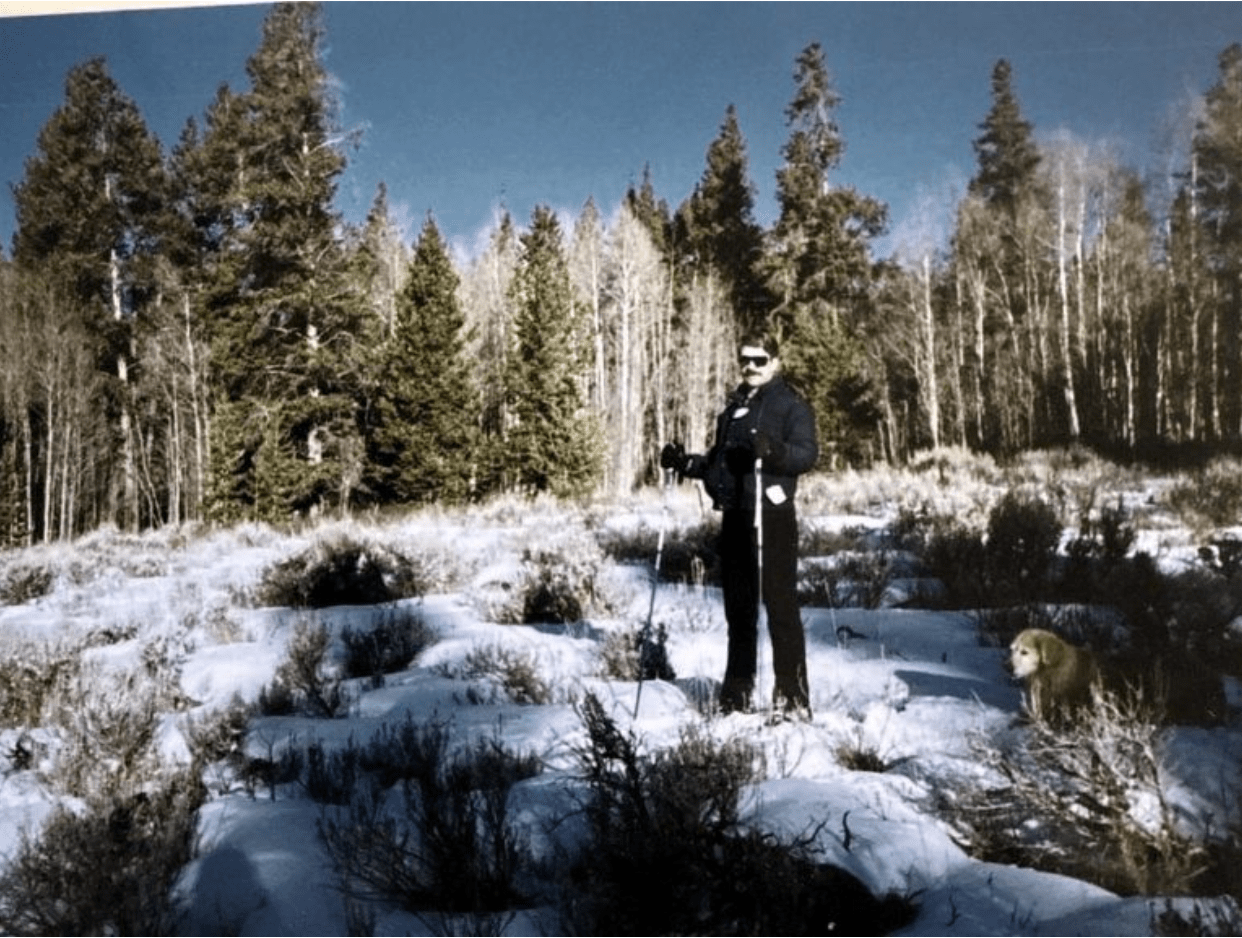
Image credits: Jim William Bain
Cross-country skiing is far more than a winter pastime; it is one of the most beneficial forms of exercise for people of all ages, especially for older adults. As we age, maintaining strength, balance, and cardiovascular health becomes increasingly important. James “Jim” William Bain of Colorado believes that cross-country skiing offers a powerful way to achieve all these goals while enjoying the outdoors and nurturing both physical and emotional well-being.
Unlike high-impact activities such as running, cross-country skiing is gentle on the joints. The smooth, gliding motion reduces stress on the knees and hips, which makes it an ideal exercise for seniors who may struggle with arthritis or joint pain. James now uses a brace on his knee to reduce the stress on it. Despite being low-impact, Skiing. provides an exceptional full-body workout. Each stride engages the arms, legs, and core muscles in a coordinated effort that builds endurance, strength, and flexibility. This balance of low strain and high benefit helps older adults remain active without the risk of overexertion or injury.
James learned that seniors can start off at the cross-country centers that provide groomed trails and mild slopes. These factors essentially eliminate the need to be able to ski as a downhill skier. Rather, each skier can ski at his or her own pace for as long as desired. If skiers get bored at these facilities, there are endless trails and roads that can be skied throughout Colorado. As cross-country skiers. get more proficient, they can find much more challenging terrain to ski. James Bain has a number of favorite trails for cross-country skiing so that he can pick the right one for how he feels each day.
Another key reason seniors should cross-country ski is the tremendous cardiovascular advantage it provides. It is one of the most effective aerobic exercises for improving heart and lung health. The steady rhythm of skiing strengthens the heart, enhances circulation, and boosts lung capacity. James has a “ favorite” hill that he tries to finish his skiing on to get a real workout. Regular participation can help lower blood pressure, improve cholesterol levels, and support weight management. These benefits contribute directly to reducing the risk of chronic conditions such as heart disease and diabetes, both of which become more common with age.
Equally important is the role cross-country skiing plays in maintaining balance and coordination. Aging often brings a gradual decline in these areas, leading to a higher risk of falls. The movements required in skiing demand focus and control, as the skier constantly adjusts to changes in terrain and snow conditions. Over time, this helps improve proprioception — the body’s ability to sense position and movement — which enhances overall stability and confidence in daily activities.
Beyond the physical benefits, cross-country skiing provides powerful support for mental health. Spending time in nature has been shown to reduce stress, improve mood, and increase feelings of vitality. The quiet, rhythmic glide across a snowy landscape can be meditative, offering a sense of peace and mental clarity. For James Bain and many other seniors, this combination of exercise and outdoor serenity becomes a vital source of renewal during the long winter months. The exposure to natural light and fresh air also helps combat seasonal depression, a challenge for many people during shorter, darker days.
The sport also offers valuable social connections. Many communities have cross-country skiing clubs, group outings, or lessons designed for older adults. These gatherings foster camaraderie and create a sense of belonging. James belongs to a ski club called Up the Creek Ski Club that is mostly made up of older adults. The shared experience of skiing together — encouraging one another up a hill or laughing through a clumsy fall — strengthens friendships and keeps spirits high. Maintaining a social network through shared activities like this can play a crucial role in combating loneliness and supporting emotional health.
Cross-country skiing also encourages a sense of independence and accomplishment. Continuing to practice a sport that requires skill, coordination, and endurance reinforces self-confidence. It allows seniors to challenge themselves while embracing the joy of movement. For those who have skied for years, it becomes a link to cherished memories and a reminder that aging does not mean giving up the pursuits that bring happiness and meaning.
As a lifelong activity, cross-country skiing helps seniors stay active year after year. It keeps the body strong through the winter months, when many people tend to become sedentary. Staying active all year helps preserve bone density, muscle mass, and mobility — key elements for long-term health and independence. Even when taken at a leisurely pace, skiing offers lasting rewards for both body and mind.
In the end, cross-country skiing represents a perfect blend of fitness, nature, and joy. It strengthens the heart, protects the joints, sharpens balance, and uplifts the spirit. For seniors looking to maintain vitality, independence, and a love of the outdoors, there are few activities as rewarding. Age may change how one moves, but it does not have to limit where one can go. As long as there is snow on the ground and a desire to glide forward, cross-country skiing remains one of the most fulfilling ways for older adults to keep moving — and keep living fully.