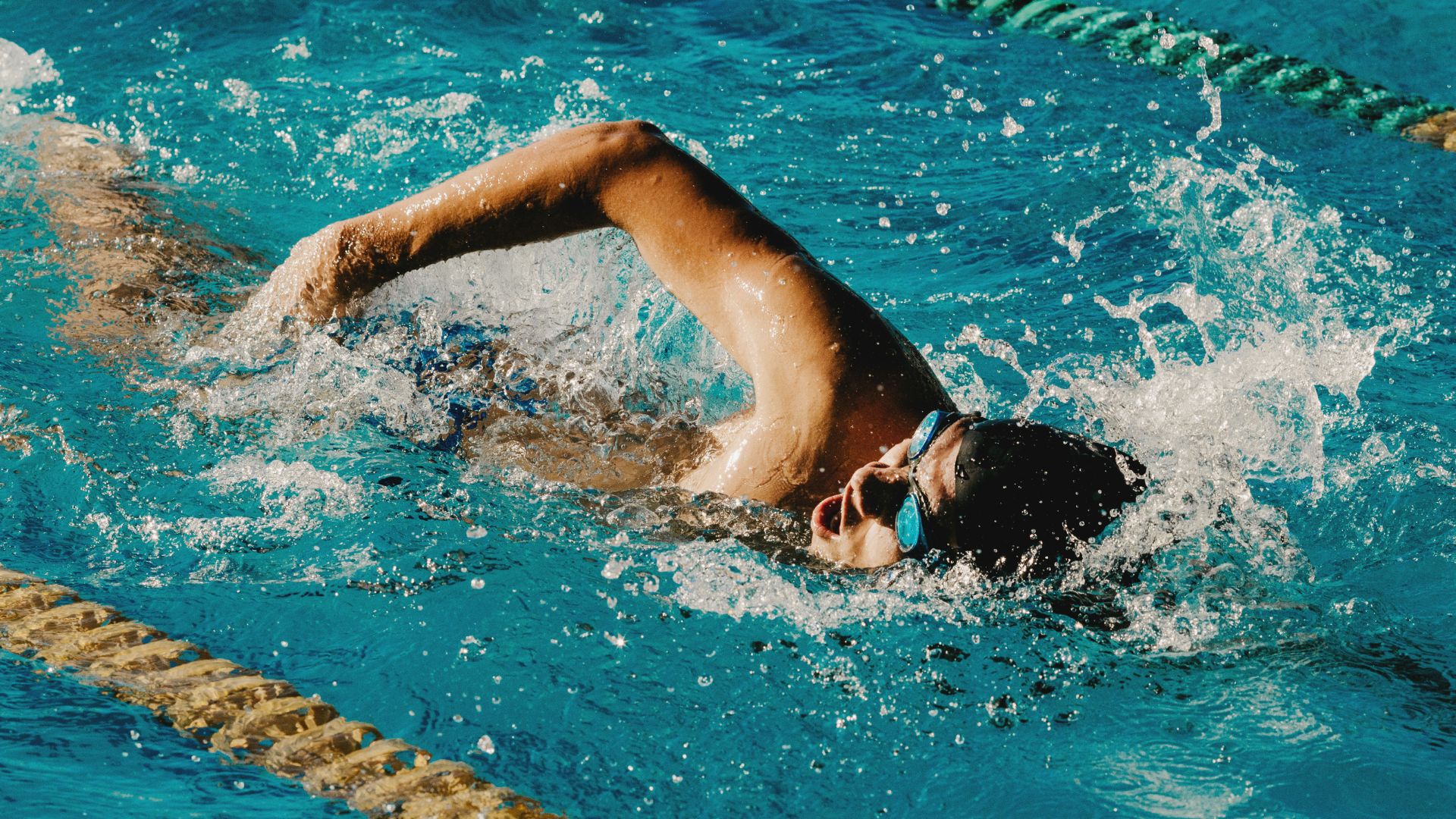
In elite swimming, excellence is no longer driven by raw talent alone—it’s a fusion of science, discipline, and relentless refinement. Athletes and coaches now rely on a multidisciplinary approach that integrates biomechanics, physiology, psychology, and technology to gain even the slightest edge. The sport has grown into a high-performance backdrop where every stroke, breath, and turn is measured and optimized.
From the formulation of personalized training cycles to the acquisition of mental toughness, Quentin Geczy notes that every component is tailored to ensure peak performance. Data analytics, recovery protocols, and nutritional science all converge to support the swimmer’s journey toward podium finishes. As the boundaries of human performance expand, swim science continues to shape a faster and more efficient generation of athletes, setting new benchmarks in the water.
How Science Drives Competitive Swimming
Elite swimming has become more data-driven, with sports science playing a major role in shaping how athletes train and compete. Coaches now collaborate with physiologists, biomechanists, and analysts to understand how to enhance performance at every level. This allows swimmers to refine their stroke, tailor their recovery, and manage energy systems more efficiently.
Sports science also helps identify areas of improvement that aren’t visible to the naked eye. By examining lactate thresholds, muscle fatigue patterns, and oxygen uptake, teams can fine-tune training techniques. Olympic programs often rely on this data to make decisions that can impact race-day results by fractions of a second.
Stroke Mechanics and Technique Analysis
Technique lies at the heart of elite swimming. Even minor inefficiencies in stroke mechanics can lead to considerable energy loss over the length of a race. Coaches and sports scientists use high-speed underwater cameras and biomechanical software to break down each phase of a swimmer’s stroke, from catch to finish. These insights help athletes make micro-adjustments that improve propulsion and reduce drag.
Butterfly and breaststroke, in particular, require a delicate balance of timing, rhythm, and strength. Athletes often spend years refining these movements to achieve a seamless flow through the water. By studying body position and joint angles, swimmers can enhance their hydrodynamics, which directly impacts speed and endurance. Some programs even use 3D motion analysis to comprehend how limb positioning affects water displacement.
Training Cycles and Strength Development
Elite swimmers follow carefully structured training cycles that vary intensity and focus throughout the year. Base phases emphasize aerobic endurance, while taper periods reduce volume to sharpen speed and recovery before major competitions. This periodization protects against overtraining and ensures athletes peak at the right time.
Dryland training is another cornerstone of strength development. Resistance exercises, mobility drills, and core stabilization routines enhance power output in the pool. Some athletes integrate plyometrics and Olympic lifting to build explosive starts and turns. Recovery protocols like contrast baths, massage, and sleep optimization are also prioritized to maintain physical readiness during demanding phases of training.
Fueling Performance Through Nutrition and Hydration
Nutrition plays a pivotal role in sustaining the intense demands of swim training. High-volume sessions can span several hours a day, requiring swimmers to consume balanced meals rich in complex carbohydrates, lean proteins, and healthy fats. Strategic meal timing ensures energy availability before early-morning practices and aids in muscle repair post-workout. Some athletes also work with registered dietitians to personalize macronutrient intake based on training volume.
Hydration strategies are equally important, particularly considering the deceptive fluid loss swimmers experience during long hours in the pool. Electrolyte intake is often adjusted based on climate, training load, and individual sweat rates. Maintaining proper hydration supports joint health, focus, and overall endurance across training blocks.
Mental Approaches to High-Level Competition
The mental side of swimming often separates great athletes from exceptional ones. Visualization techniques allow swimmers to rehearse races in their minds, sharpening focus and preparing for pressure-filled moments. Goal setting, both short and long term, offers direction and motivation during grueling training phases.
Confidence is not accidental—it’s developed through consistent mental conditioning. Working with sports psychologists, athletes learn to manage pre-race nerves, harness adrenaline, and rebound from setbacks. These tools become essential when hundredths of a second determine success on the world stage. Mental stamina also enables swimmers to stay composed during unexpected obstacles, such as false starts or equipment failures.
The Future of Swim Science
Technology continues to reshape the landscape of competitive swimming. Wearable sensors now track everything from stroke rate to heart rate variability in real time, allowing coaches to make split-second adjustments to training plans. Video analysis software creates detailed visual feedback that swimmers can review between sets.
New developments in swimwear and training environments are also pushing boundaries. Smart pools that adjust resistance or simulate race conditions are becoming more accessible. As artificial intelligence and machine learning become more integrated into coaching systems, personalized performance models could soon become the standard across elite programs.