The future is biological. Growth, maintenance, and development of all living organisms depend on biological processes. In today’s era, synthetic biology has emerged and transformed the way we perceive biological systems.
One standout component of synthetic biology is DNA synthesis. Let’s take a closer look at what DNA synthesis is, future trends, and the challenges that hinder the process.
What is DNA Synthesis and Why It’s Used
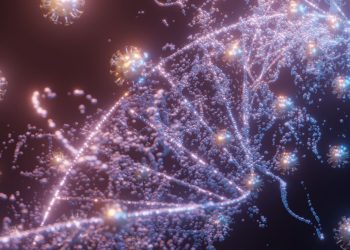
Simply put, DNA synthesis is the process of creating new DNA strands from existing templates. Arthur Kornberg was the first one to synthesize DNA in a test tube in the early 1950s.
DNA synthesis is a complex procedure that involves the unwinding of existing DNA strands to build precise sequences. Then comes the process of elongation, during which DNA polymerase enzymes bind to the primer and begin adding complementary nucleotides to the new DNA strand.
Techniques, such as Polymerase Chain Reaction (PCR) and gene synthesis, further facilitate the assembly of DNA sequences. Biologists and DNA experts are able to stitch together smaller DNA fragments to create custom genetic constructs.
The application of DNA synthesis technology is far-reaching and can serve various purposes, including:
- Medicine and diagnostics
- Vaccine developments
- DNA testing
- Gene therapy
- Metabolic engineering
- DNA nanotechnology
- Industrial chemical production
Future Trends in DNA Synthesis
DNA synthesis technology has come a long way since Kornberg’s efforts. With the convergence of CRISPR-Cas9 and automation, the field of DNA synthesis has undergone a significant transformation. Biologists are making efforts in the following fields to shape the future of DNA synthesis:
Regenerative Medicine
DNA has unique properties, including programmability and biocompatibility. This makes it ideal for building nanoscale building blocks for tissue regeneration. With gene therapy and cell regeneration, scientists can promote the production of regenerative medicine products, which can even be administered orally.
Efforts to produce regenerative medicine can help prevent mutations. Scientists can develop therapies to correct DNA damage and treat diseases.
Integration of AI and Machine Learning
The integration of artificial intelligence (AI) and machine learning is also underway in the field of DNA synthesis. Here’s how AI can be used:
- Faster analysis of vast databases of genomic information.
- Streamline biological workflows.
- Predictive modeling to anticipate the results of numerous DNA synthesis processes.
The most important benefit of AI in DNA synthesis is efficiency and high speed. It can enable the synthesis of thousands of DNA sequences, something that might not be possible with manual efforts.
Machine learning can be used to optimize metabolic pathways and cell functions.
Since the DNA and RNA markets are showing significant growth, the integration of artificial intelligence can help numerous industries meet rising demands. In the future, scientists are expecting to create personalized medicine using machine learning and AI algorithms.
DNA Storage Methods
DNA data storage is arguably the hottest topic in synthetic biology. And the question arises, How close are we to DNA data storage? While there is no definitive timeline, scientists are hopeful for the future of DNA archiving. DNA data storage offers the following benefits:
- High density
- Durability and longevity
- Low energy consumption
- Scalability
Efficient DNA storage is definitely possible. But numerous challenges are hindering progress.
Challenges and Considerations
Speaking of challenges, here’s a brief overview of factors that are influencing the future of DNA synthesis:
Accuracy of Long, Complex Sequences
Creating long and complex DNA sequences is possible, but are they accurate? This is one of the biggest challenges that scientists and bioengineers face today. DNA replication is a complex process, which makes it prone to errors. While DNA polymerases have proofreading capabilities, some mismatches can slip through the cracks.
Moreover, certain DNA sequences, such as those with high GC content or repetitive stretches, can be difficult to replicate.
Biosecurity
The DNA synthesis technology can be a double-edged sword. While scientists are committed to using it for advancing in the healthcare and industrial sectors, it can be misused to create toxins or other harmful pathogens.
DNA sequences and strands are also prone to theft, which can put months of research at risk. Since AI and automation strategies are being integrated into the DNA synthetic systems, there are also risks of cyberbiosecurity.
Managing Costs
The most prominent challenge in managing DNA synthesis projects is the cost. To replicate long and complex DNA sequences, scientists need advanced equipment. Private research facilities might not be able to fund such projects.
As the importance of DNA synthesis becomes apparent, many institutions are trying to expand their budgets.
Looking Forward
The field of synthetic biology and DNA synthesis, in particular, is set to gain immense popularity and recognition. With scientists and bioengineers working with the latest technologies like CRISPR-Cas9, several projects are underway. Moreover, they’re trying to make DNA storage and automated sequencing more than just a dream.
Despite hindrances like high costs and biosecurity issues, DNA synthesis will gain more momentum in various industries.