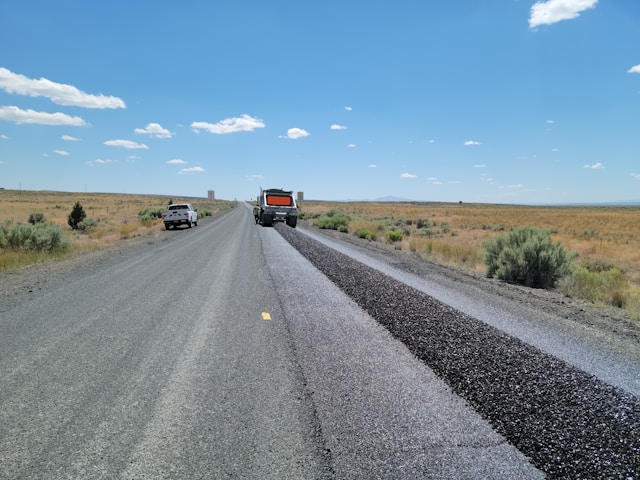
Advancements in asphalt paving are transforming the industry with smarter processes, sustainable materials, and cutting-edge technology. As explained by Mark Buckland, these innovations enhance durability, reduce maintenance costs, and contribute to environmentally friendly practices. The integration of intelligent sensors, self-healing materials, and energy-efficient production methods is reshaping how roads and driveways are built and maintained.
Property owners and contractors now have access to paving solutions that not only improve performance but also offer long-term financial and environmental benefits. With the rapid evolution of smart infrastructure, staying informed about these advancements ensures better decision-making and higher-quality results in paving projects.
Innovations Transforming Asphalt Paving
Advancements in asphalt paving technology are reshaping the industry with new materials and smarter processes. Automation is playing a key role in improving accuracy, reducing labor costs, and speeding up project completion times. These innovations are making paving more efficient while also enhancing the quality of finished surfaces.
New paving techniques now incorporate intelligent machinery that adapts to environmental conditions in real-time. Some systems use sensors to measure pavement density, ensuring a more uniform surface that lasts longer. These improvements help minimize the need for frequent repairs, benefiting both contractors and property owners.
Self-healing asphalt is another breakthrough gaining attention. This material contains special additives that allow minor cracks to repair themselves when exposed to heat or sunlight. By extending the lifespan of roads and driveways, such technology reduces long-term maintenance expenses and enhances overall durability. Some research suggests that widespread adoption of self-repairing materials could significantly lower infrastructure repair costs over the next decade.
Sustainable and Eco-Friendly Materials
The industry is shifting toward greener alternatives to minimize environmental impact. Recycled asphalt pavement (RAP) is becoming a standard in many projects, reducing waste while maintaining durability. By repurposing old materials, companies can lower production costs and reduce reliance on new raw materials.
Some modern mixtures now incorporate bio-based binders instead of traditional petroleum-based options. These alternatives cut down on harmful emissions, improve flexibility, and reduce the likelihood of cracks. Permeable asphalt is another innovation that helps manage stormwater by allowing water to pass through, preventing pooling, and reducing runoff issues.
Enhanced Durability and Performance
New asphalt formulations are designed to withstand extreme weather conditions, making roads and driveways more resilient. Temperature-sensitive mixes adjust to seasonal changes, preventing cracking in cold climates and softening in high heat. These improvements ensure surfaces remain intact longer, even under heavy traffic.
High-performance asphalt blends now include polymer additives that enhance strength and elasticity. Roads paved with these materials experience fewer potholes and require less maintenance over time. This not only benefits municipalities but also reduces repair costs for property owners. Additionally, these advanced blends contribute to smoother rides, improving safety and comfort for drivers.
Smart Technology in Modern Paving
The integration of smart technology is revolutionizing how asphalt surfaces are designed and maintained. Advanced sensors embedded in the pavement can monitor factors like temperature, pressure, and wear over time. This data helps contractors make real-time adjustments, ensuring a smoother and more durable surface.
Automated paving equipment is also enhancing precision during installation. GPS-guided machines can lay asphalt with remarkable accuracy, reducing material waste and improving overall quality. These innovations not only speed up projects but also create longer-lasting roads and driveways, reducing the need for frequent repairs.
Cost Savings and Long-Term Benefits
Investing in contemporary asphalt solutions can significantly lower maintenance costs over time. High-performance materials and advanced installation techniques reduce the frequency of cracks and potholes, minimizing the need for costly repairs. Property owners who opt for these innovations benefit from fewer disruptions and long-term financial savings.
Energy-efficient production methods are also contributing to lower expenses. Warm-mix asphalt, which requires lower temperatures during manufacturing, reduces fuel consumption and decreases emissions. By adopting these sustainable practices, companies can cut costs while also supporting environmental initiatives. Manufacturers are continuously improving these processes to make them even more affordable and accessible for widespread use.
Key Considerations for Property Owners
Choosing the right contractor is crucial when incorporating advanced paving technologies. A knowledgeable professional will ensure the use of high-quality materials and the latest techniques to enhance durability. Researching a company’s experience and customer reviews can help property owners make informed decisions.
Knowing what to expect from future projects can also be beneficial. As smart infrastructure continues to evolve, new paving methods will offer even greater efficiency and longevity. Staying informed about these advancements allows property owners to maximize the value of their investment while ensuring a well-maintained surface for years to come. Keeping up with industry developments can also help individuals plan ahead for potential upgrades that could further enhance performance and cost-effectiveness.