The words we choose shape how we see each other, and that carries real weight in the disability community. Schools, businesses, and families have long used “special” and “special needs” with kind intentions, but over the years, both terms have taken on an unwelcome tone. Many people today experience them as limiting, dated, or even a little condescending, as though the person were an exception who needs gentle handling. It is time to shift the conversation, starting with a fresh look at disability and individuality.
What Labels Tell People to Expect
How a person is labeled affects how others treat them. The word “special” places people in a group apart, and groups like that can carry lower expectations. Many young people with disabilities experience those lower expectations today. A 2026 survey by Sense, a United Kingdom charity that supports people with complex disabilities, asked 1,000 disabled people with complex needs, ages 16 to 25, about their futures. Of those young people, 68% said the education system did not have high aspirations for them, and the share rose to 77% among those still in full-time education. Attitudes like these shape the opportunities young people are offered, so the words used to describe them deserve care.
Families who are raising a child with a disability can meet those lower expectations in classrooms, medical offices, and hotel lobbies. Their loved ones deserve descriptions built around who they are and what makes each of them unique.
Uniqueness Is a Source of Strength
Every individual has a distinct combination of gifts, temperaments, and ways of moving through the world. Differences like these can be a real source of strength, and they can lead to remarkable accomplishments, each in a personal way. Places and programs organized around the strengths people bring leave room for the “superpowers” that come from that uniqueness. Seeing those strengths clearly helps people grow into the best version of themselves.
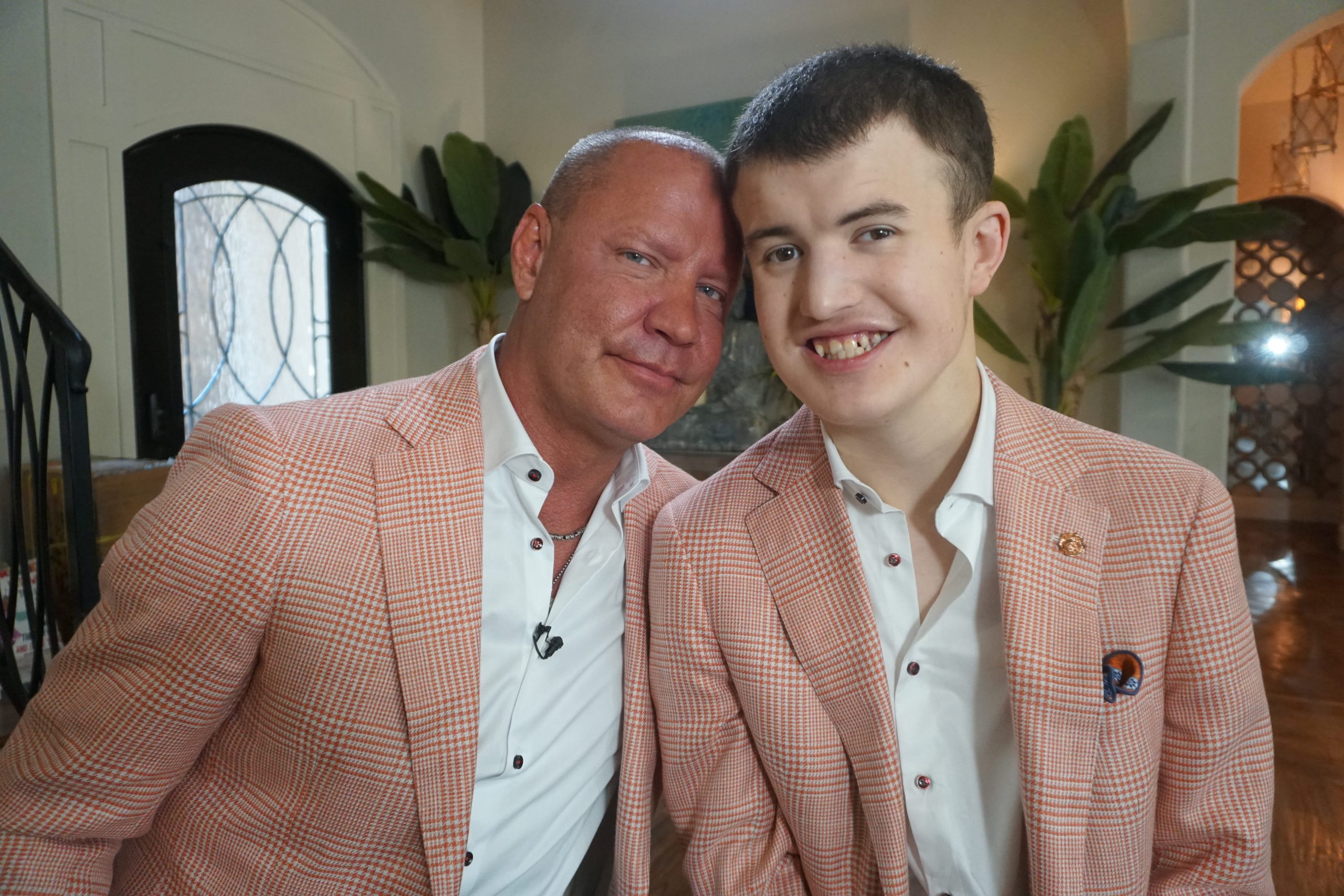
This belief is deeply personal for Charles “Dr. Charlie” Powell, M.D., the founder of Saint Charlie Resorts. Dr. Charlie’s son, Little Charlie, was born in 2004. A rare chromosomal condition meant that doctors had no timeline to share with the family about what lay ahead. Little Charlie offers a greeting to every stranger he meets and then waits patiently for an answer. His father sees that warmth and patience as the marks of a natural teacher and counts them among his son’s greatest superpowers. That view has shaped Dr. Charlie’s vision for vacations where families with members of every ability can spend time together.
When uniqueness is the starting point, conversations about disability take a different turn. They lead to questions about what someone needs to thrive, which strengths they bring, and how we can design a world where joy is accessible to them.
That final question guides the philosophy behind Saint Charlie Resorts. Joy belongs to everyone, which is why spaces, activities, and services all need accessibility planned in from the first day.
Designing a Resort Where Joy Is Accessible
Saint Charlie Resorts grows out of that belief. Solo Vive, the parent company, is developing the concept for a resort in the Riviera Maya, Mexico, and the flagship property is scheduled to open in 2027. It is designed to serve guests living with sensory, physical, cognitive, developmental, and other disabilities, along with the parents and siblings who travel with them.
Gathering guests with such different strengths and needs in one place was a purposeful decision. That concentration of uniqueness enables us to offer services that conventional resorts may not provide.
The services start before guests ever arrive. Each family fills out a planning profile that covers dietary restrictions, mobility requirements, sensory triggers, and communication needs, which gives the team time to prepare. Staff complete specialized training, a structured safety system covers the whole property, and activities are adapted so every guest can take part.
Alongside those services, the resort is building a family support model intended to make vacations smoother and more enjoyable. The model includes personalized assistance, carefully planned activities, and time for parents and caregivers to unwind, knowing the team has thought carefully about their family’s needs.
Demand for accessible family travel shows up clearly in survey results. The International Board of Credentialing and Continuing Education Standards offers training and certification to travel professionals in autism-friendly service. It points to a survey of 1,000 parents raising autistic children, and 87% of them said their families do not take vacations together.
Some hospitality brands offer limited autism programming today, while Saint Charlie Resorts intends to serve families across the full spectrum of intellectual and physical needs. That philosophy also appears in the resort’s search for a new tagline, “Where ___ is accessible.” The resort’s followers have been asked to help pick the word that fits the experience best. Whether it turns out to be freedom, joy, adventure, or belonging, the message stays the same. Each family deserves a getaway planned around its own needs.
Language will keep changing, and one principle can guide that change, which is to see each person as the individual they are. When we notice individual strengths and build spaces where people can take part, connect, and thrive, everyone gains a chance to experience life more fully.