Dina Alborano sees extreme snowshoe racing as one of the few endurance sports where the ground itself refuses to cooperate. Competitors churn through powder, climbing icy switchbacks and descending on surfaces that shift with every stride, all while breathing frigid air and carrying extra weight on each foot.
The sport borrows elements of trail running, mountaineering, and cross-country skiing, but its combined physical toll stands apart from any of them. Knowing where that toll comes from helps athletes prepare smarter, recover more completely, and race with fewer unpleasant surprises.
Why Snowshoe Racing Demands So Much Energy
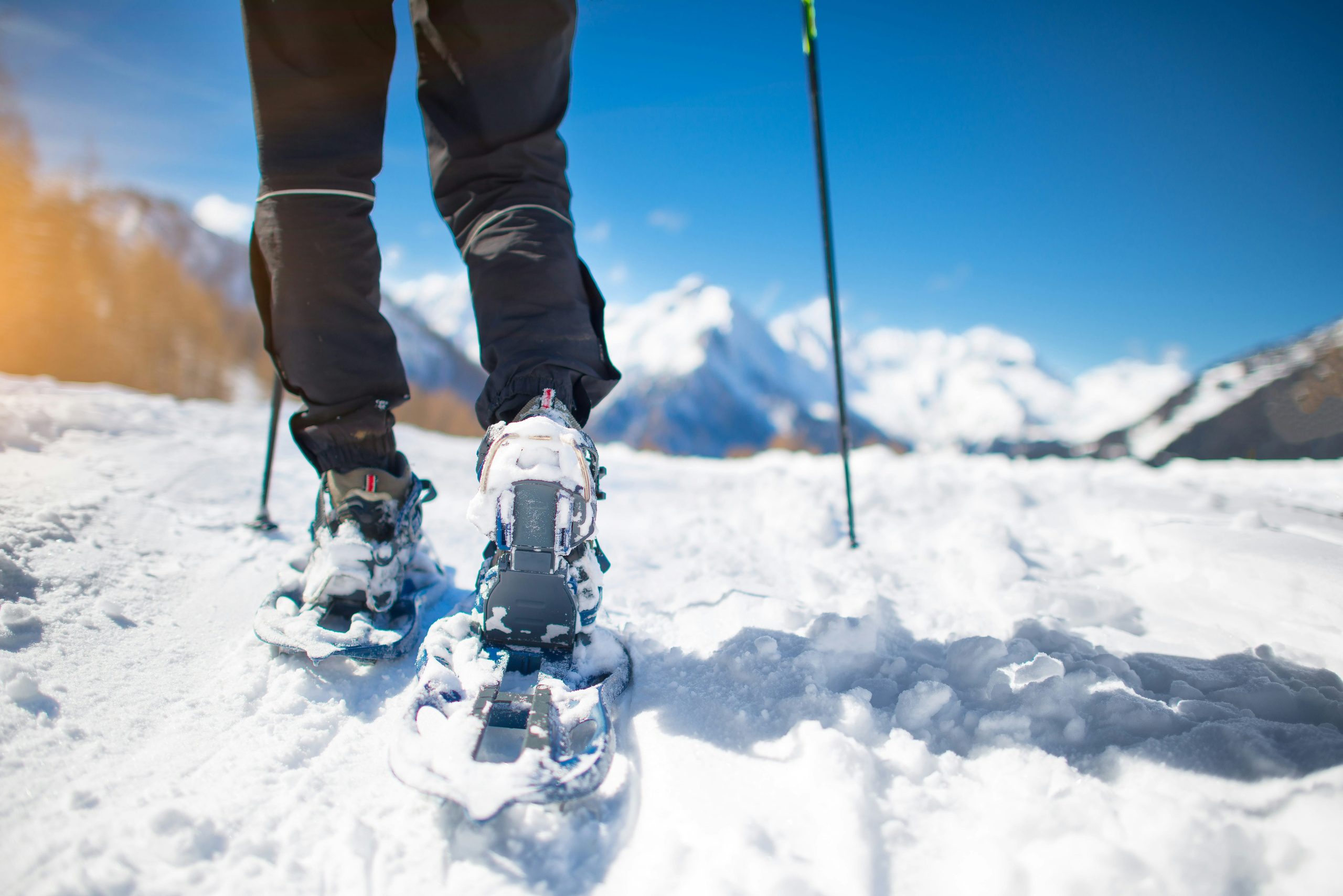
Every step on snow asks more of the body than a step on pavement. A snowshoe adds mass at the far end of the leg, where weight is most expensive to move, and soft snow absorbs much of the force a runner would normally recover as elastic return. The foot sinks, the knee drives higher to clear the surface, and the hip flexors work overtime to lift and swing the frame forward.
Frame mass, surface area, and binding style all change how hard the body works, and the energy cost of snowshoe locomotion shifts noticeably with each design choice. Snow conditions shift the equation further as packed, groomed trails allow a rhythm closer to ordinary trail running, while fresh powder can turn a moderate pace into a grinding effort that pushes heart rate toward its ceiling.
“People assume the hard part is the distance, but the snow decides how hard your day is going to be,” Alborano says. “You can run the same loop twice in one week and feel like you raced two completely different events. Learning to read the surface is half the battle.”
How Cold Air Changes Cardiovascular and Metabolic Function
Cold adds a second layer of stress that athletes in temperate sports are not likely to confront. The body constricts blood vessels near the skin to protect core temperature, shifting circulation inward and raising cardiovascular workload. Oxygen consumption, breathing rate, and fuel use can all behave differently in the cold, particularly early in an effort before the body fully warms.
Understanding the physiological responses to exercise in the cold helps explain why a pace that feels manageable in mild weather can feel punishing on a winter course. Muscle temperature matters as well. Cold muscles contract with less force and speed, and connective tissue grows stiffer, which can compromise both power output and stability on uneven ground. Athletes who start a race cold commonly spend the first several kilometers paying for it.
Clothing creates its own paradox as racers generate tremendous heat during hard efforts, sweating into their layers. They then lose that heat rapidly when slowing on a climb or stopping at the finish. Cold weather injury prevention for endurance athletes relies on managing moisture and wind exposure as carefully as temperature, since damp skin and wind chill accelerate heat loss well past what the thermometer suggests.
The Respiratory Toll of Breathing Frigid Air
Lungs bear a burden many winter competitors underestimate, and cold, dry air pulled deep into the airways during hard mouth breathing can irritate the lining over time. Exercise-induced bronchoconstriction in winter endurance athletes commonly presents as coughing, a tight chest, or reduced breathing efficiency after a race.
Alborano urges athletes to take those signs seriously and consult a physician instead of training through them. A buff or light face covering can warm incoming air and ease the strain, especially on long climbs.
“The cough after a cold race isn’t a badge of honor,” she says. “Athletes listen to their legs constantly, and I want them to give their breathing the same attention.”
Biomechanics on Shifting, Uneven Terrain
Snowshoe racing asks the body to solve a balance problem with every step. running biomechanics on uneven terrain raises energy expenditure and step-to-step variability, and the thighs work harder as the legs stiffen against irregular landings. Snow amplifies each effect, collapsing, sliding, or compacting differently underfoot.
The hips, glutes, and deep core keep the pelvis level while the ankles make constant small corrections. A wider stance, needed to keep the frames from clipping, alters hip mechanics versus ordinary running. Athletes without targeted strength work find soreness a road marathon never reached.
Descents add risk. Heavy eccentric loading, linked to delayed muscle soreness, joins reduced traction and limited visibility to demand focus as much as fitness.
Fueling and Hydration in Freezing Conditions
Energy needs to climb sharply in snowshoe racing because the body is fighting both terrain and temperature. Appetite and thirst often fade in the cold, leaving athletes under fueled and dehydrated without realizing it. Frigid air pulls moisture from the body with every breath, and sweat losses under heavy layers can be substantial even when the skin feels cool.
Practical obstacles compound the problem. Water bottles freeze, gels stiffen, and fumbling with packaging in thick gloves wastes time and dexterity. Alborano recommends that athletes rehearse their fueling plan during cold training sessions, carrying insulated bottles close to the body and choosing foods that stay manageable at low temperatures.
“Everything you take for granted in a summer race becomes a puzzle in winter,” Alborano says. “Your drink is slush, your fingers don’t work, and you’re not even thirsty. The athletes who do well have solved those puzzles in training, so race day feels routine.”
Preparing the Body for Winter Endurance Competition
Effective snowshoe preparation blends aerobic conditioning with sport-specific strength. Uphill hiking builds the posterior chain, while single-leg work strengthens the stabilizers uneven snow demands. Time on snowshoes is irreplaceable; no gym exercise reproduces lifting a frame from deep powder.
Progressive winter volume lets body, gear, and judgment adapt, and recovery deserves planning, since cold, terrain, and elevation deplete athletes faster than dry ground.
Extreme snowshoe racing rewards respect for its complexity, and for Alborano, the strongest competitors prepare deliberately for every source of stress. When fitness, technique, and awareness meet, the snow becomes a proving ground worth returning to every winter.
Dina Alborano is a New Jersey-based elite runner and extreme snowshoe athlete focused on human performance enhancement. A former secondary mathematics teacher educated at Northwestern, Villanova, and Stony Brook, she brings an evidence-based perspective to endurance training. She is fluent in English and Spanish.
Disclaimer: The content above is for informational purposes only and does not constitute medical or professional training advice. Consult a physician or qualified coach before beginning any cold-weather or snowshoe training program.