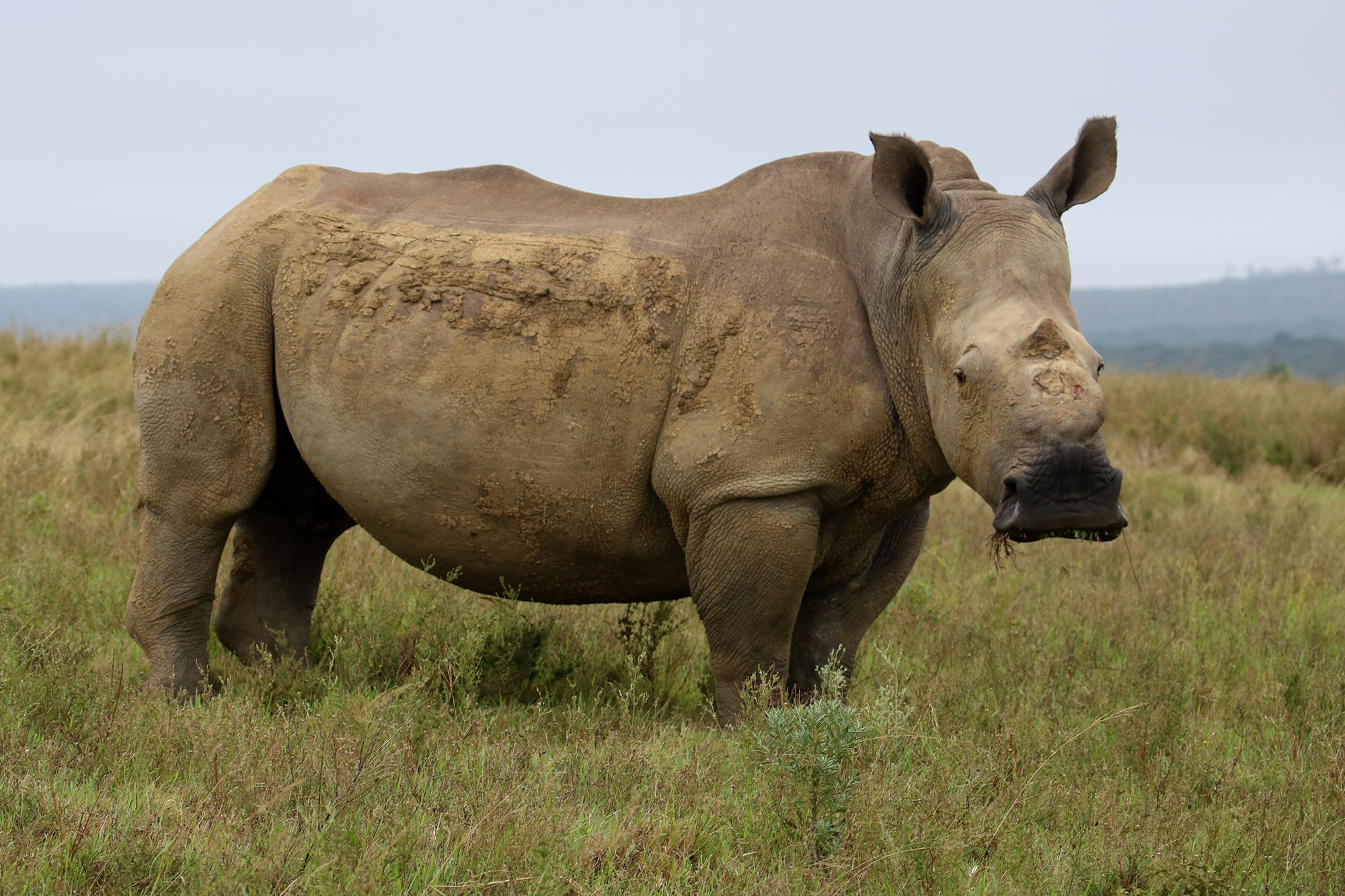
Helping Rhinos is a global conservation organization with a mission to ensure the long-term survival of rhinos and the ecosystems they inhabit. Established in 2012, the organization has been at the forefront of creating expansive protected areas known as Rhino Strongholds, where rhino populations and biodiversity can flourish. These efforts are supported by a holistic approach that encompasses wildlife protection, habitat preservation, and community engagement.
In this interview, we speak with Founder and CEO Simon Jones to gain deeper insight into the organization’s journey, the pivotal moments that shaped its mission, and the strategies Helping Rhinos employs to tackle the ongoing threats to rhino conservation. From the challenges of combating poaching to the successes of community-driven conservation initiatives, Simon shares his perspective on the past, present, and future of Helping Rhinos’ impact on global wildlife preservation.
The Beginning of a Mission
Looking back to March 2, 2012, how did witnessing the poaching attack that took Thandi’s herd shape your personal mission and vision for Helping Rhinos?
Because I had such an emotional link to the Reserve where Thandi was poached, having spent six weeks there previously, I knew I could no longer sit back and just comment on how bad the situation was. I needed to act, and that poaching incident really drove my vision for wanting to pro-actively do something to help these rhinos and for wanting to engage the world with the mission to protect them.
What was it about Thandi’s survival and resilience that inspired you to take action and establish Helping Rhinos?
Thandi’s story made the rhino poaching crisis more relatable for people. Before her attack, for many, the issue was just statistics and numbers on a page. Thandi gave this crisis a face and made it personal for people. Her resilience after the attack provided people with a reason for hope.
Overcoming Early Challenges
What were the biggest challenges you faced in the early days of Helping Rhinos, and how did you overcome them?
As a one-person startup organization, gaining credibility in the rhino conservation world was a significant obstacle. It required persuading future partners on the ground to trust the Helping Rhinos process, even without significant funding at the onset. It was about finding supporters willing to come on the journey and who shared our vision of a safer world for rhinos and all wildlife.
Evolution and Impact
How has Helping Rhinos evolved from its initial mission to where it stands today?
Our launch in March 2012 started from zero. Initially, our focus was on generating some level of income to provide support, albeit in a small way, to our teams on the ground. Today, we have a global presence, operating in the UK, USA, and Europe, and support rhino protection projects across South Africa and Kenya.
What impact has Helping Rhinos had on the ground in key conservation areas, and what are some of the organization’s most significant successes?
One of our key strengths is working with long-term project partners who share our vision. For instance, our collaboration with Ol Pejeta Conservancy in Kenya has successfully grown the world’s largest population of eastern black rhinos. Another success is with partners in South Africa, expanding habitats and wildlife corridors in biodiversity-rich regions.
Shifts in Global Conservation Approaches
How has the global approach to rhino conservation changed since 2012, and how has Helping Rhinos contributed to that shift?
In the past 13 years, rhino conservation has transitioned from para-military, fortress-style conservation to a more inclusive, community-driven approach. While anti-poaching work remains crucial, the focus is now on securing vast landscapes to preserve rhinos and the wildlife alongside them. Helping Rhinos has contributed by working with partners sharing this vision.
Message to Supporters
What message would you share with those who have supported Helping Rhinos over the years in light of this anniversary?
Thank you. Without the support of everyone who has donated over the years, whether they’ve given a little or a lot, it all adds up and makes a difference for rhinos. Despite challenges, there are more reasons to be hopeful about the future of this iconic species.
Vision for the Future
Looking ahead, what are your hopes and goals for the future of rhino conservation, and how can people continue to support this mission?
Our long-term goal is to make ourselves obsolete! Ideally, we want rhinos and their habitats to be secure without the need for intensive protection. In the shorter term, we aim to expand our efforts across Africa and eventually extend to the conservation of Asian rhino species. This will be achieved through our Rhino Strongholds initiative, which is based on three Conservation Pillars: Protect the Wildlife, Preserve their Habitat, and Provide for People. This comprehensive approach will help us create environments where rhinos can thrive, contributing to both biodiversity and the socioeconomic stability of local communities.
What role do local communities play in the conservation efforts spearheaded by Helping Rhinos?
Local communities are integral to our conservation strategy. We engage and empower them by creating sustainable livelihoods and conservation-based opportunities. By providing education and economic benefits derived from conservation efforts, communities become active participants in preserving rhinos, ensuring that both the people and wildlife can coexist harmoniously.
Can you share some of the technological or innovative approaches Helping Rhinos is using or plans to use in rhino conservation?
We are increasingly utilizing technology for conservation, including advanced wildlife monitoring systems and anti-poaching measures. These innovations not only enhance our ability to track and protect rhinos but also help gather essential data on habitat use and population dynamics, informing our strategic planning and on-ground actions.
Achievements and Recognitions
What do you consider to be Helping Rhinos’ most significant achievements over the years?
One of our most significant achievements is our partnership with Ol Pejeta Conservancy in Kenya, where we have helped to grow the world’s largest population of eastern black rhinos. This success has enabled us to translocate rhinos to other regions, re-establishing populations in areas that haven’t seen black rhinos for generations. Additionally, our work in South Africa’s Eastern Cape with the Kariega Foundation and Conservation Landscapes Institute has expanded habitats and opened new wildlife corridors in biodiversity hotspots.
How has the global rhino population changed as a result of conservation efforts, including those by Helping Rhinos?
Globally, there has been a positive shift in rhino populations in some areas, largely due to the combined efforts of various conservation organizations. While poaching remains a threat, the decline in poaching rates since 2015 has provided momentum and hope. Thanks to these efforts, certain rhino populations are now growing, prompting us to focus on expanding their habitats.
Future Initiatives and Opportunities
What initiatives does Helping Rhinos plan to implement to further its conservation goals?
We plan to expand our Rhino Strongholds initiative, focusing on securing more land for rhinos and enhancing biodiversity within these areas. This includes working with new project partners across Africa and, eventually in Asia. We also aim to increase community involvement and education programs to reinforce the importance of conservation.
How can individuals or organizations get involved with Helping Rhinos to support rhino conservation?
Individuals can support us by adopting a rhino, donating to our various appeals, or becoming a Rhino Guardian. Organizations can partner with us through corporate sponsorships or collaborative projects. Every contribution, big or small, plays a crucial role in advancing our mission to protect rhinos.
In conclusion, Helping Rhinos remains at the forefront of conservation, driving impactful initiatives that protect rhinos, restore habitats, and empower local communities. Through their innovative Rhino Strongholds, collaborative partnerships, and commitment to long-term sustainability, they are shaping a future where rhinos can thrive in the wild. Their work not only addresses the immediate threats of poaching and habitat loss but also lays the foundation for lasting change in global conservation efforts.
A special thank you to Founder and CEO Simon Jones for sharing his time and insights with us. His dedication and leadership continue to inspire meaningful action in the fight to protect these incredible animals for generations to come.