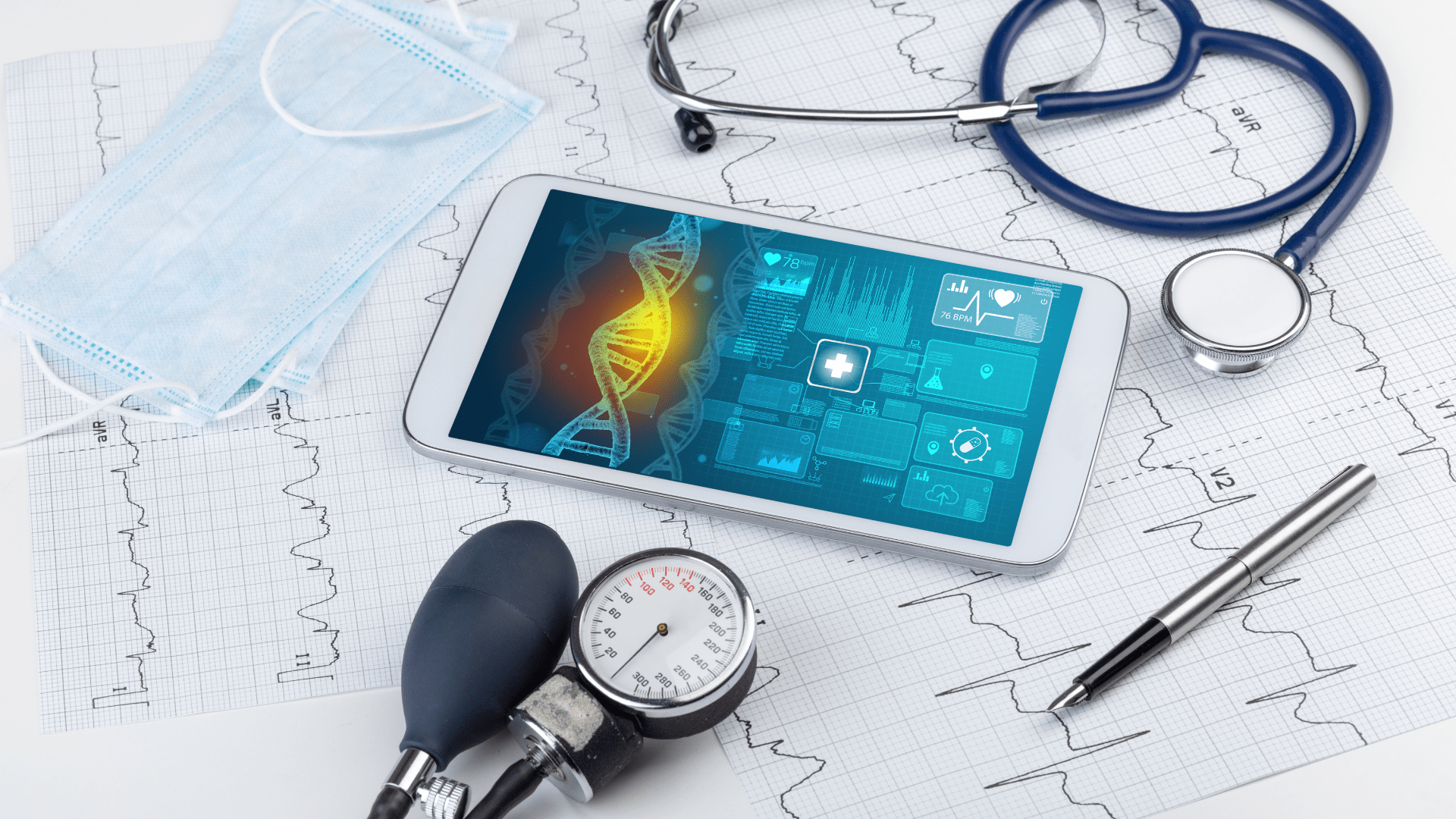
Medical device technology is revolutionizing the way diseases are diagnosed, treated, and managed. The evolution of medical devices mirrors the relentless pursuit of advancing healthcare. Arrigo Medical Devices has carved out its place as a leader in navigating rapid technological innovation. Emerging trends in medical technology are not just reshaping medical practices but are also setting new standards for patient care and outcomes. Anthony Arrigo, CEO of Arrigo Medical Devices, delves into these transformative trends, exploring their potential to redefine the landscape of healthcare and the lives they touch.
Wearable Technology
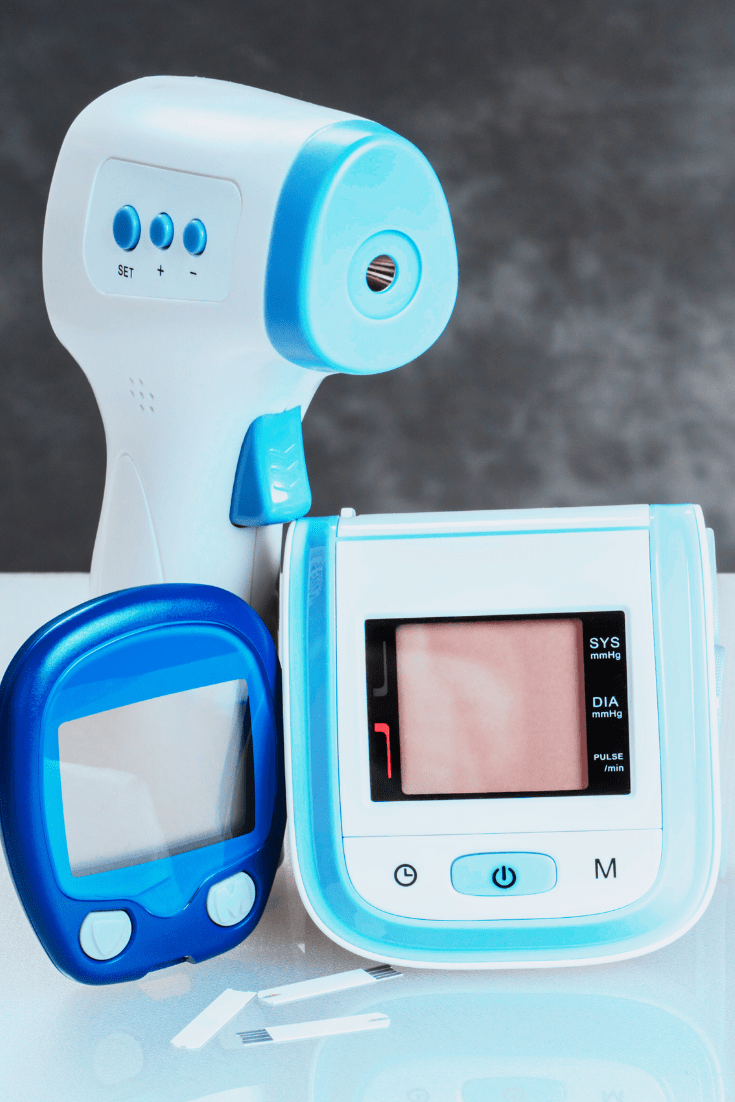
The realm of wearable health monitors has expanded far beyond basic fitness trackers. Today’s devices are sophisticated health guardians, capable of tracking vital parameters such as heart rate, blood pressure, and glucose levels. These wearables represent a significant leap in personal healthcare management, providing real-time data that was once only accessible in clinical settings. Heart rate monitoring, once a feature exclusive to athletes and fitness enthusiasts, has now become a standard in many wearables.
“Modern devices use optical heart rate sensors to track heartbeat continuously, offering insights into heart health and alerting users to potential cardiac anomalies,” says Anthony Arrigo. “Blood pressure monitoring has also seen a technological transformation. The latest wearables use innovative methods like pulse transit time (PTT) to estimate blood pressure, enabling users to keep tabs on their cardiovascular health effortlessly.”
Glucose monitoring wearables have been life-changing for many diabetics, providing non-invasive and continuous glucose level tracking. These devices use sensors that measure glucose in interstitial fluid, offering a pain-free alternative to traditional finger-prick tests. By delivering real-time data and trends, they empower users to manage their condition more effectively.
Wearable technology is also redefining patient monitoring and preventive care. With continuous data collection, healthcare providers can monitor patients remotely, leading to early detection and intervention of potential health issues. This shift not only enhances patient care but also reduces the burden on healthcare systems by preventing hospital readmissions and reducing the need for in-person visits.
Leading devices in the market, such as the Apple Watch Series, Fitbit Sense, and Garmin Venu, offer a range of health monitoring features. They have set benchmarks in accuracy, user-friendliness, and integration with broader health ecosystems. These devices are not just fitness trackers; they are wellness partners that encourage proactive health management.
Artificial Intelligence in Diagnostic Tools
Artificial Intelligence (AI) is revolutionizing the field of medical diagnostics, bringing unprecedented precision and efficiency to equipment like MRI and CT scanners. By integrating AI algorithms, these diagnostic tools can now analyze complex medical images with a level of detail and accuracy that surpasses human capability. AI-driven diagnostics work by processing vast amounts of data from medical images, identifying patterns and anomalies that might be invisible to the naked eye. This integration not only enhances the quality of diagnostics but also significantly speeds up the process, leading to quicker patient turnaround.
“One notable breakthrough in AI-assisted diagnostics is in the early detection of neurological disorders,” notes Anthony Arrigo.
AI algorithms have been developed to detect subtle changes in brain scans that indicate the onset of diseases like Alzheimer’s long before clinical symptoms appear. This early detection is crucial for timely intervention and potentially slowing disease progression. Another area where AI is making strides is in oncology. AI systems are being trained to identify and classify tumor cells in imaging scans more accurately and rapidly than human radiologists. This advancement not only assists in early cancer detection but also plays a vital role in monitoring treatment response and planning radiation therapy, tailoring treatments to individual patient needs.
Impact of AI on Emerging Medical Trends
The integration of AI in diagnostic tools is also proving invaluable in cardiology. AI algorithms can analyze heart imaging data to predict the risk of heart attacks or strokes. Such predictive analytics enable proactive management of cardiovascular health, potentially reducing the incidence of cardiac events.
The potential impact of AI on medical diagnostics is enormous. By enhancing accuracy and enabling early disease detection, AI not only improves patient outcomes but also contributes to a more efficient healthcare system. It reduces the workload on healthcare professionals, allowing them to focus more on patient care rather than diagnostics.
Arrigo notes, “AI’s predictive capabilities pave the way for personalized medicine, where treatments and interventions are tailored to individual patient profiles, maximizing efficacy and minimizing side effects.
Continued Trends in Medical Devices
In exploring emerging trends in medical device technology, we have witnessed how innovations like wearable health monitors, AI-integrated diagnostic tools, telemedicine, and advanced prosthetics are reshaping the healthcare landscape. Wearable devices are personalizing patient monitoring and preventive care, while AI in diagnostics is enhancing accuracy and enabling early disease detection. Telemedicine has expanded the reach of healthcare, and advanced prosthetics are offering new levels of functionality and integration for patients.
These advancements signify a paradigm shift in healthcare towards more personalized, efficient, and accessible care. They are not just technological triumphs but are catalysts for a more proactive and patient-centered healthcare system. Medical device technology will continue to evolve, driven by continuous innovation and an unyielding commitment to improving patient outcomes. The potential of these technologies to transform lives is immense, marking the dawn of a new era in healthcare, where technology and human well-being are inextricably linked.