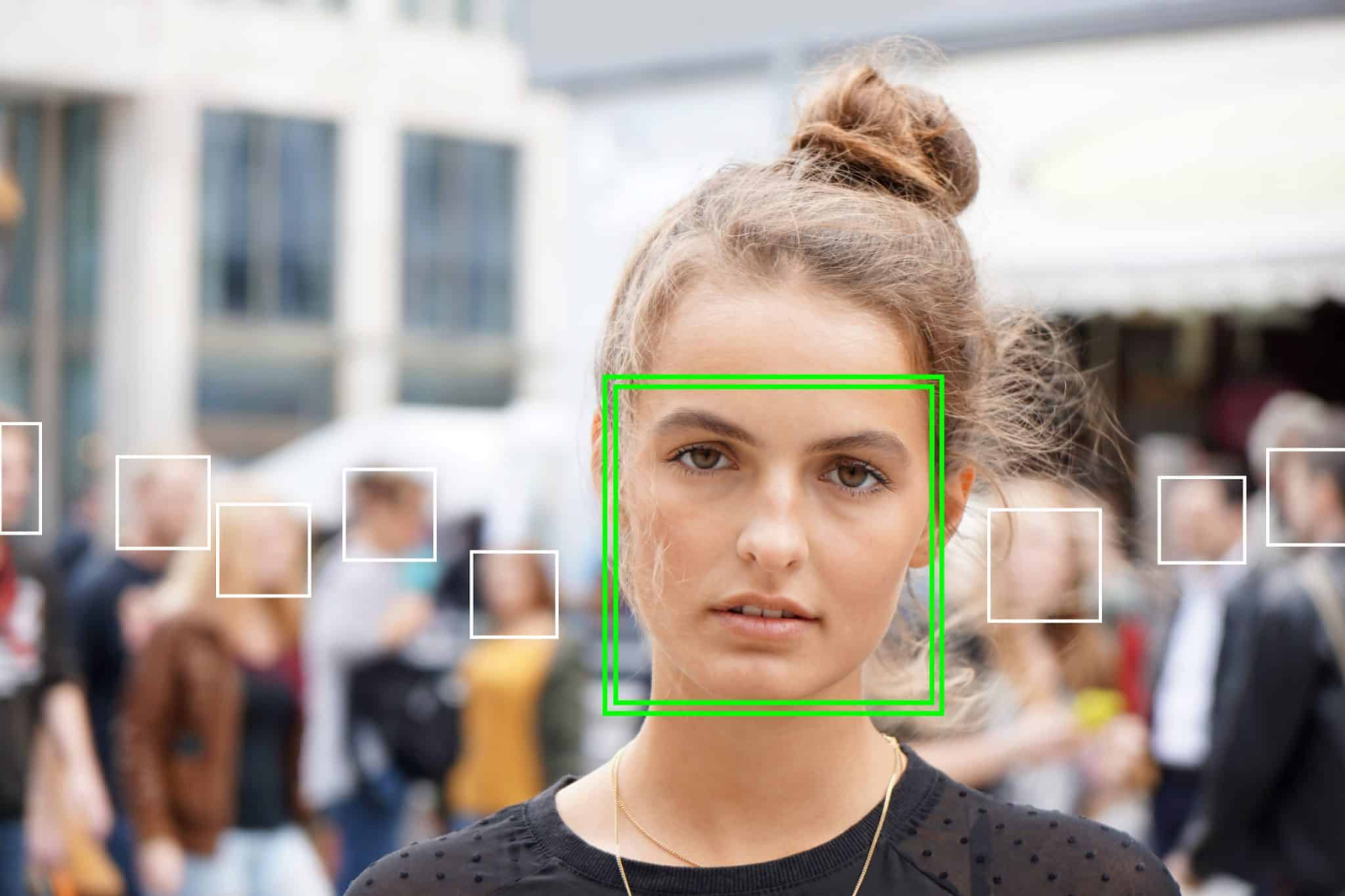
With visual content circulating rapidly across online platforms, identifying the origins of an image or tracking its reuse has become essential. Reverse image search tools play a vital role for professionals and everyday users alike, whether it’s an artist monitoring unauthorised use, a brand safeguarding assets, or a user investigating an image’s background.
This feature explores the top 5 reverse image search platforms of 2025, evaluating their performance across accuracy, speed, interface, pricing, unique technologies, and real-world use cases, and finally asks: Is lenso.ai the ultimate reverse image search solution?
1. Lenso.ai
Best for: Duplicate detection, face recognition, copyright protection, place search, digital asset monitoring.
Lenso.ai is rapidly becoming the go-to platform for professionals seeking precision and versatility in reverse image searches. With AI-enhanced, category-specific capabilities, it offers far more than traditional tools.
Key Features:
- Category-Based Search: Face search, duplicate, similar, related, or place.
- Advanced Facial Recognition: Find individuals even with changes in appearance.
- Landmark Detection: Recognizes both popular and obscure locations.
- Selective Search Areas: Focus on a specific section of an image.
- Smart Collections & Alerts: Automatically store results and set alerts for new appearances.
- Copyright Protection: Pinpoint altered or repurposed images for intellectual property defence.
Lenso’s platform is user-friendly, lightning-fast, and trusted by copyright professionals like “PhotoClaim,” who use it alongside other tools for uncovering image misuse with “very satisfying results.”
2. Google Lens
Best for: Casual users, mobile lookups, object and text recognition.
As a household name, Google Lens offers unparalleled integration across Android devices and Google products. It’s ideal for identifying objects, products, plants, pets, and landmarks in real-time.
Strengths:
- Seamless mobile and browser integration.
- Rich database for wide subject recognition.
- Real-time responses.
Limitations:
Lacks nuanced detection of image manipulation, duplicate use, or copyright infringement. While it’s fast and convenient, it doesn’t offer the investigative depth of lenso.ai.
3. Copyseeker
Best for: Visual plagiarism detection, copyright verification.
Copyseeker specialises in finding identical or near-identical copies of images, fast. It’s favoured by those who need precise match detection.
Highlights:
- Rapid scanning speed
- Effective at finding copied or altered versions
- Cross-platform support (Windows, iOS, Linux)
It does what it says on the tin but lacks broader capabilities like facial recognition, landmark ID, or multi-category searches that lenso.ai excels at.
4. PimEyes
Best for: Online identity protection, personal face tracking.
PimEyes is laser-focused on one feature: face search. And it does it remarkably well.
Strengths:
- High-precision facial recognition.
- Helps users monitor their online image presence.
- Often used for safety and privacy awareness.
However, it’s limited to facial search alone. Lenso.ai outshines it by integrating face search with duplicate detection, related image tracking, and more.
5. Search by Image
Best for: Fast comparisons across multiple engines.
This free browser extension lets users upload an image and compare it across platforms like Google, Yandex, and Bing, all in one click.
Ideal for:
- Quick checks.
- Multi-engine lookups.
- Mobile-friendly comparisons.
It’s a nifty tool for casual users but not suitable for professional-grade tasks due to its lack of filtering, storage, or analytical features.
Comparative Analysis
1. Accuracy of Results
- Lenso.ai: Top-tier precision in facial recognition, landmark detection, and identifying heavily modified or partial duplicates.
- Google Lens: Broad but generalist accuracy.
- TinEye/Copyseeker: Strong for exact matches only.
- PimEyes: Excellent facial recognition, but narrow use.
2. Speed of Processing
- Lenso.ai: Near-instant results.
- Google Lens & TinEye: Also fast but with simpler capabilities.
- PimEyes & Copyseeker: Fast, but focused only on their niche.
3. User Interface & Experience
- Lenso.ai: Sleek dashboard, drag-and-drop upload, crop-to-search, result filtering, and export features.
- Google Lens: Seamless mobile integration.
- TinEye: Basic, functional UI.
- Search by Image: Extension-based simplicity.
4. Pricing
- Lenso.ai:
- Starter: $15.99/month – Up to 50 results, 10 alerts.
- Professional: $69.99/month – Up to 500 results, 50 alerts.
- Developer: $2800/month – API access, 5,000 results, 500 alerts, priority support.
- Starter: $15.99/month – Up to 50 results, 10 alerts.
- Google Lens: Free.
- TinEye: Free tier + paid plans.
- PimEyes: Subscription-based pricing.
5. Unique Technologies
- Lenso.ai:
- AI-trained CBIR (Content-Based Image Retrieval).
- Smart cropping, selective search areas.
- Alerts for new matches.
- Sorting and filter options.
- AI-trained CBIR (Content-Based Image Retrieval).
- Google Lens: Augmented reality, object translation.
- Copyseeker/TinEye: Focus on exact duplicate tracking.
- PimEyes: Biometric-focused image search.
6. Use Cases
- Lenso.ai: Photographers, brand managers, copyright experts, journalists, digital marketers.
- Google Lens: Students, shoppers, travellers, casual users.
- Copyseeker/TinEye: Legal professionals, designers.
- PimEyes: Influencers, privacy-conscious users.
Why Lenso.ai Stands Out in 2025
While each tool has carved its own niche, lenso.ai leads the charge as the most comprehensive platform for reverse image search in 2025. Its fusion of AI-driven intelligence, copyright enforcement features, multi-category search capabilities, and exportable data tools make it a versatile solution for both personal and professional use.
If you’re serious about tracking visual content, lenso.ai isn’t just an option, it’s your digital watchdog.
Explore lenso.ai: https://lenso.ai/en.