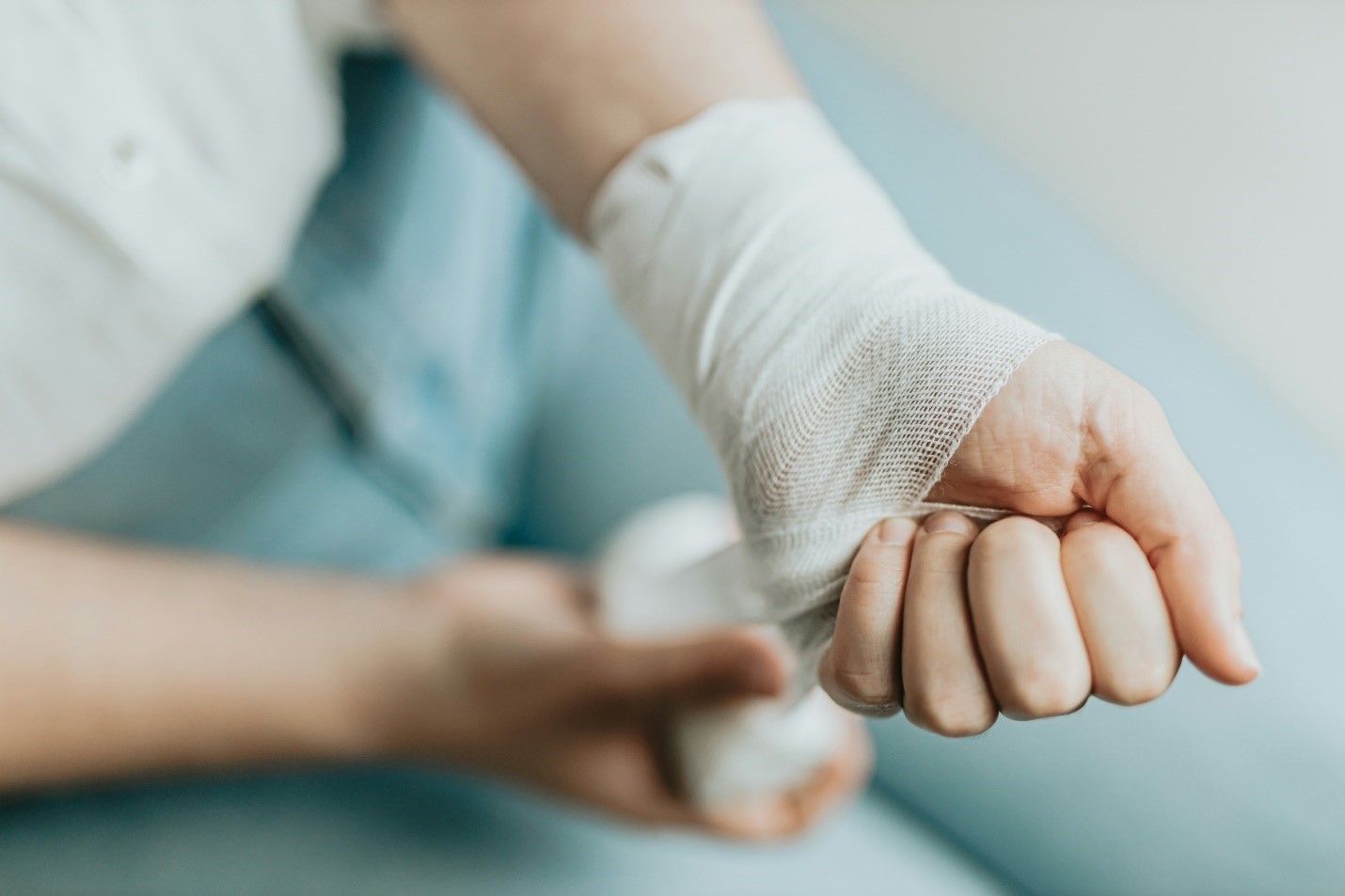
Chronic wounds are more than just a persistent inconvenience—they pose serious risks to overall health and recovery. By definition, they are wounds that fail to heal within the typical timeframe, often lasting weeks or even months. These wounds affect millions globally, burdening both individuals and healthcare systems. Understanding their causes, recognizing effective treatments, and learning prevention methods are critical steps in managing them.
What Are Chronic Wounds?
Chronic wounds are defined as those that do not heal within an expected period, typically four to six weeks. This delay occurs despite proper care and can result from various internal and external factors. They often become more than a local issue, leading to broader health concerns if left unmanaged.
There are several common types of chronic wounds, each tied to different causes and patient needs. Diabetic ulcers are open sores that form on the feet of individuals with diabetes. Nerve damage and poor circulation are primary contributors. Bedsores, formally known as pressure ulcers, develop when prolonged pressure cuts off blood flow to the skin and underlying tissues. These injuries are common in individuals with limited mobility.
Venous ulcers occur in the lower legs due to poor blood flow from veins back to the heart. Swelling, redness, and weeping wounds often characterize them. Each type of chronic wound requires a tailored approach, underscoring the importance of proper diagnosis and treatment.
Several factors contribute to the slow healing of chronic wounds, and a primary one is poor circulation, where insufficient blood flow deprives the wound of oxygen and nutrients necessary for repair. This issue is common in patients with conditions such as diabetes or peripheral artery disease.
Infections can further disrupt healing. When bacteria enter an open wound, the body must fight the invasion before it can focus on tissue repair. This delays recovery and increases the risk of further complications such as abscesses or sepsis.
Underlying health conditions also play a significant role. Chronic illnesses like diabetes, kidney disease, or a weakened immune system can impair the body’s natural ability to heal efficiently. Even lifestyle factors such as smoking or excessive alcohol use exacerbate these issues by diminishing blood supply and slowing cell regeneration.
Common Causes of Chronic Wounds
Chronic wounds develop as a result of various health issues and underlying conditions that disrupt the body’s natural healing process. Understanding these causes can help identify risk factors and guide treatment decisions.
Diabetes is one of the leading causes of chronic wounds, particularly diabetic foot ulcers. The disease impairs healing in two major ways: reduced blood flow and neuropathy. Poor blood circulation in diabetics limits the delivery of oxygen and nutrients to wound sites. These essentials are critical for cell repair and tissue regeneration, making healing incomplete or delayed when blood flow is compromised.
Neuropathy, or nerve damage, is another complication of diabetes. Decreased sensation, especially in the feet, means patients often don’t notice minor injuries or pressure sores. These small abrasions can worsen over time, becoming chronic wounds. Without early intervention, such wounds increase the risk of infection, tissue death, and even amputation.
Circulation issues, such as peripheral artery disease or venous insufficiency, significantly impact wound healing. When blood doesn’t flow effectively through arteries or veins, it deprives tissues of vital oxygen and nutrients. This slows down the repair process and causes wounds to remain open longer than they should.
Venous insufficiency, a common cause of leg ulcers, occurs when vein valves fail to function correctly. Blood pools in the lower legs, leading to swelling, heaviness, and skin breakdown. Over time, the skin in affected areas becomes fragile, making it easier for wounds to form and harder for them to heal. These vascular problems are often exacerbated by aging, obesity, or prolonged immobility, further delaying recovery.
“Infections are a major factor in the progression of wounds from acute to chronic,” says noted wound care physician Dr. Bardia Anvar. “When bacteria invade a wound, they trigger an inflammatory response that disrupts normal healing. The body’s resources become preoccupied with fighting off the infection instead of repairing the tissue.”
Infected wounds often display redness, swelling, and drainage, but the real harm occurs at a deeper level. The presence of bacteria can cause further tissue damage, increasing the size and severity of the wound. Left untreated, infections can lead to systemic complications such as sepsis, which is life-threatening. This makes infection control a key part of wound management to prevent minor injuries from turning into chronic conditions.
Preventing Chronic Wounds
Preventing chronic wounds involves taking proactive steps to support the body’s natural healing ability. By managing existing health conditions, maintaining proper skin care, and avoiding harmful behaviors, individuals can reduce their risk of wounds that fail to heal.
Routine checkups with healthcare professionals are critical for the early detection and management of complications. Addressing minor injuries, infections, or skin changes promptly can prevent these issues from escalating into chronic wounds.
The skin acts as the body’s first line of defense, so maintaining its integrity is key to preventing wounds. Clean skin reduces the risk of infection, while moisturizing prevents cracking, which can serve as entry points for bacteria. Using gentle, unscented cleansers helps avoid irritation, especially for individuals with sensitive or fragile skin.
Skin should also be checked regularly for signs of damage, particularly in areas prone to pressure or friction. These areas, such as heels, elbows, and lower legs, require extra care. Protecting the skin with padding, avoiding tight clothing, and keeping it dry in humid areas are simple steps to safeguard against wounds.
In some cases, extra measures may be necessary. For example, those with limited mobility should consider frequent repositioning to minimize pressure on specific areas. Using specialized cushions or mattresses can help prevent bedsores in individuals who spend extended periods in one position.
Preventing chronic wounds also involves avoiding behaviors and conditions that increase vulnerability. Smoking is one of the most significant risk factors, as it reduces oxygen and nutrient flow to tissues. Quitting smoking can dramatically improve oxygen delivery to the skin, aiding in both prevention and recovery.
Prolonged immobility further raises the risk of wounds, particularly pressure ulcers. Individuals who are bedridden, use wheelchairs, or have limited mobility should change positions regularly. Even small, frequent adjustments can alleviate pressure and reduce damage to skin and tissues.
Other risks, such as obesity, poor nutrition, or excessive alcohol consumption, can compromise healing and heighten vulnerability. Making lifestyle changes—like maintaining a balanced diet, exercising regularly, and limiting alcohol intake—can significantly improve the body’s ability to heal and shield itself from chronic wounds.
By addressing these critical areas, individuals can take meaningful steps toward protecting their skin and overall health. These preventive measures are vital to reducing the risk of chronic wounds and the complications they bring.
Addressing chronic wounds effectively involves understanding their causes, pursuing proper treatments, and adopting strong prevention strategies. By managing underlying health conditions, promoting better wound care, and prioritizing skin health, individuals can significantly improve healing outcomes and reduce complications.
Proactive measures, like monitoring diabetes or improving circulation, coupled with lifestyle changes, create a solid foundation for prevention. While advanced treatments offer hope for more severe cases, everyday steps like staying active and maintaining a balanced diet play an equally important role.
Chronic wounds can be challenging, but they are not insurmountable. With the proper knowledge and a commitment to action, individuals can take control of their health and improve their quality of life.