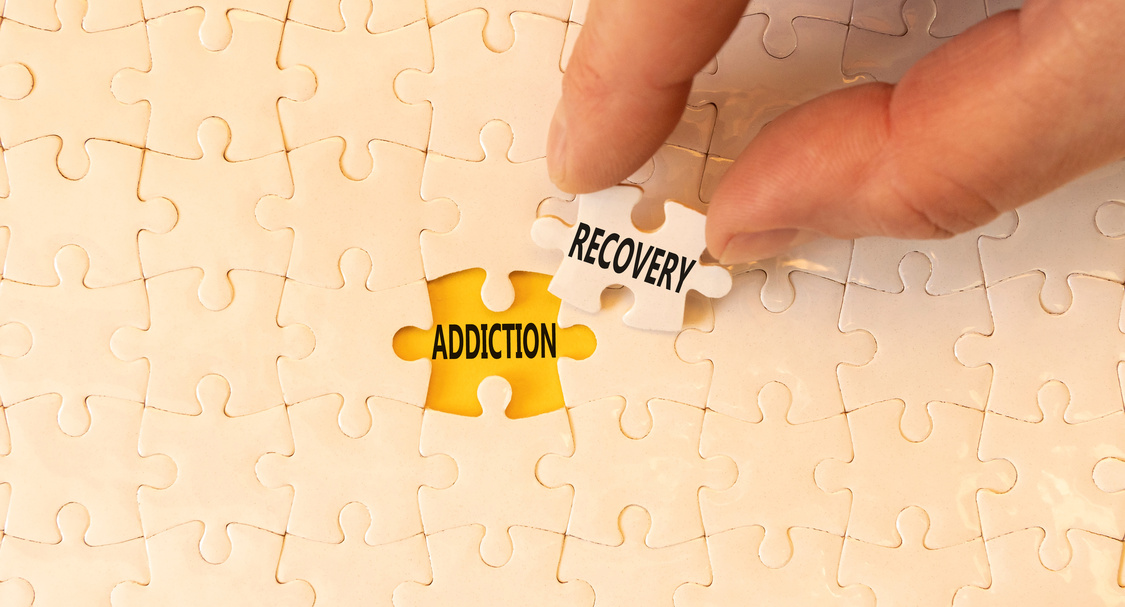
Overcoming drug addiction is a complex and ongoing process that requires more than just an individual’s willpower. Effective rehabilitation programs provide structured strategies, support, and a safe environment that foster lasting recovery.
Recovery is not just about ending substance use but also about rebuilding a fulfilling life. Successful rehabilitation equips individuals with the tools to manage their recovery while addressing underlying emotional, mental, and physical challenges.
Read on to explore drug addiction recovery solutions that can transform addiction into long-term strength and stability.
Addressing the Root Causes of Addiction
Understanding the root causes of addiction is essential for creating effective treatment plans. Identifying and addressing these underlying factors can improve recovery outcomes and help individuals achieve lasting sobriety.
The following are key approaches for addressing addiction’s root causes:
- Mental health treatment: Many people dealing with addiction also experience co-occurring mental health issues such as anxiety, depression, or PTSD. Treating these co-occurring disorders with therapies such as cognitive-behavioral therapy or medication management promotes recovery by addressing triggers for substance use.
- Dual diagnosis approach: Addiction and mental health disorders often go hand in hand. A dual diagnosis treatment focuses on managing both conditions simultaneously, reducing the risk of relapse and improving overall well-being.
- Family therapy: Addiction impacts families profoundly, leading to strained relationships and broken trust. Family therapy works to rebuild these bonds, provide emotional support, and educate loved ones on how to be part of the recovery process effectively.
Addressing the root causes of addiction ensures that treatment plans are comprehensive and effective. Integrating safe prescription drug recovery as part of the approach reinforces patient safety while helping to resolve addiction’s deeper issues.
Choosing the Right Treatment Program
Finding the right treatment program is essential for overcoming addiction. Different approaches are available to address individual needs and challenges.
Below are key considerations to ensure the program aligns with the unique requirements of recovery:
- Inpatient and outpatient programs: Inpatient programs offer a structured environment with round-the-clock care, which is ideal for those needing a high level of supervision and support. Outpatient programs provide flexibility, allowing individuals to attend treatment sessions while managing responsibilities like work or family.
- Individualized treatment plan: A tailored plan considers the specific needs of the person, including the type of addiction, health conditions, and personal goals. This approach ensures the treatment targets the root causes of addiction while addressing any challenges unique to the individual.
- Cognitive behavioral therapy: Cognitive behavioral therapy helps individuals recognize harmful thought patterns and behaviors that contribute to substance use. This evidence-based therapy equips individuals with practical strategies to manage triggers and maintain progress during and after treatment.
Tailoring treatment to an individual’s specific circumstances ensures programs provide the necessary tools for sustainable recovery while effectively addressing addiction’s complexities.

Supporting Sobriety with Comprehensive Care
Achieving and maintaining sobriety requires a thoughtful approach and consistent access to resources that address the physical, mental, and emotional aspects of recovery. A well-rounded plan helps individuals build resilience and reduce the risk of relapse.
Below are effective strategies to support ongoing sobriety:
- Substance abuse treatment services: Comprehensive services offer more than detoxification; they address the underlying factors contributing to addiction. These programs often include therapy, skill-building, and support tailored to each individual’s needs, promoting holistic healing.
- Recovery support groups: Peer-led groups provide a space for individuals to share experiences, gain encouragement, and build connections with others on a similar path. This sense of community can strengthen commitment and accountability.
- Physical health restoration: Addiction can take a toll on the body, impacting energy, immunity, and overall well-being. Programs that include nutrition guidance, fitness activities, and medical care help restore physical health, creating a strong foundation for recovery.
Comprehensive care ensures recovery is supported from multiple angles, helping individuals stay on track and build a healthier, fulfilling life.
Leveraging Rehabilitation for Long-term Success
Rehabilitation plays a vital role in preparing individuals for sustained recovery. It equips them with practical tools and strategies to overcome challenges and build healthier habits.
The following are key aspects of effective rehabilitation:
- Drug rehab centers: These facilities provide a structured and supportive environment where individuals can focus solely on recovery. With access to trained professionals, therapeutic programs, and peer support, patients can address their substance use in a safe and controlled setting.
- Education on addiction: Learning about the science behind addiction helps individuals understand the impact of substances on the brain and behavior. This self-awareness fosters informed decision-making and empowers them to maintain sobriety.
- Relapse prevention techniques: Practical strategies, such as recognizing triggers, developing coping mechanisms, and practicing mindfulness, prepare individuals to manage stressful situations without reverting to substance use. Rehabilitation programs often integrate these tools into daily routines to strengthen resilience.
Rehabilitation provides the foundation for lifelong recovery, empowering individuals to overcome obstacles and thrive in their personal and professional lives.
Final Thoughts
Recovery from drug addiction is a personal and ongoing effort. It requires patience, commitment, and the right support systems. The path may be difficult, but with the right treatment and resources, lasting change is possible. Every step, no matter how small, contributes to rebuilding a healthier life. Stay focused, embrace progress, and trust that recovery is within reach.