If the 2000s were defined by the unmistakable flash of luxury logos, the 2020s are increasingly defined by something far quieter.
Today’s affluent consumers are increasingly spending on assets that rarely appear in a social media post. Memberships at longevity-focused health centers, private medical concierge programs, executive coaches, digital-detox retreats, and services designed to eliminate everyday friction are becoming the new markers of privilege.
In many cases, the most valuable luxury purchases are no longer objects at all. They are investments in longer lives, better health, greater flexibility, and reclaimed time. Luxury is becoming less visible, but arguably more powerful than ever.
From Status Symbols to Quality of Life
Traditional luxury was built on the idea of external validation. Owning a luxury handbag or driving an expensive car communicated success to the outside world. In many ways, luxury functioned as a social language that signaled wealth, taste, and influence.
Invisible luxury operates differently. Its value lies in personal benefit rather than public recognition. A private wellness retreat, access to elite healthcare, personalized coaching, premium education programs, or even a service that saves hours of time each week may not attract attention online, but they can significantly enhance daily life.
Consumers are increasingly prioritizing outcomes- better health, more free time, reduced stress, and personal growth over visible status.
| Old Luxury | New Luxury |
| Designer handbags with visible logos | Personalized longevity and wellness plans |
| Luxury sports cars | Time-saving concierge and lifestyle services |
| VIP nightclub experiences | Silent wellness retreats and digital detoxes |
| Front-row fashion events | Exclusive educational and masterclass experiences |
| Expensive watches | Freedom, flexibility, and schedule control |
The shift is not as simple as replacing one form of luxury with another. Many affluent consumers still buy designer fashion, luxury vehicles, and premium watches. The difference is that visible status symbols are increasingly being paired with investments that improve life behind the scenes.
The executive wearing a luxury watch may also be paying for quarterly full-body health scans, a personal nutrition coach, and an assistant who manages daily logistics. Modern luxury has not abandoned status; it has expanded its definition. Ownership still matters, but optimization increasingly matters more.
Time Has Become The Ultimate Luxury
Economists and sociologists increasingly describe modern life through the lens of “time poverty”- the persistent feeling of having too much to do and too little time to do it. As work and personal responsibilities intensify, affluent consumers are engaging in what researchers call “buying time,” spending money on services that reduce daily friction.
Whether through premium meal-prep subscriptions, personal assistants, concierge healthcare, or outsourced household management, the goal is no longer simply convenience but the recovery of time itself.
One of the most important drivers behind this trend is the growing recognition that time is a finite resource. While wealth can be accumulated, time cannot be replaced.
As a result, many people are spending money to reclaim their schedules. Concierge services, meal delivery platforms, personal assistants, housekeeping services, and productivity tools are becoming modern luxury purchases. These services do not provide a physical asset, but they offer something many consumers value even more: freedom from routine tasks.
For high-income professionals, the ability to spend more time with family, pursue hobbies, travel, or focus on meaningful work often delivers greater satisfaction than owning another luxury product.
Health and Wellness as Premium Investments
The wellness industry has become one of the biggest beneficiaries of invisible luxury. Consumers are increasingly willing to spend on preventive healthcare, nutrition coaching, fitness programs, mental health support, and personalized medical services.
Unlike luxury goods, these investments are rarely visible to others. Yet they contribute directly to energy levels, longevity, productivity, and overall quality of life. In an era marked by rising stress, burnout, and lifestyle-related health issues, many consumers view wellness spending not as an expense but as a long-term investment.
The scale of this shift is reflected in the explosive growth of the global wellness economy, which is now worth trillions of dollars. Consumers are allocating increasing portions of discretionary spending toward preventive healthcare, longevity treatments, personalized nutrition, recovery therapies, and mental well-being. Health is no longer viewed solely as a necessity; it is increasingly treated as a premium lifestyle investment.
The growing popularity of luxury fitness clubs, personalized health assessments, and wellness retreats highlights how health itself is becoming a status symbol.
Education and Self-Development Are the New Prestige Purchases
Another key aspect of invisible luxury is the increasing willingness to spend on knowledge and skills. Executive education programs, specialized certifications, language courses, professional coaching, and personal development workshops are attracting growing demand.
Unlike luxury fashion, education often generates returns that compound over time. New skills can improve career prospects, increase earning potential, and create opportunities that extend far beyond the initial investment.
For many ambitious professionals, intellectual growth has become a more meaningful symbol of success than material possessions.
Why Social Media is Fueling the Trend?
Ironically, social media may be accelerating the rise of invisible luxury. Platforms such as Instagram and TikTok have made visible status symbols more accessible and commonplace.
Luxury products that once appeared exclusive are now constantly displayed online.
As a result, affluent consumers are increasingly seeking forms of luxury that are harder to replicate or imitate. A personalized travel experience, access to exclusive communities, premium healthcare, or the ability to take extended time off work offers a level of exclusivity that cannot be easily copied through a purchase alone.
In a world saturated with displays of wealth, genuine scarcity often comes from experiences, access, and personal freedom.
The Rise of the Soft Brag
We have not outgrown status signaling; we have simply made it subtler. The luxury handbag and sports car have not disappeared, but they now compete with a new class of prestige markers: exceptional health, uninterrupted free time, and the appearance of balance in an increasingly exhausted world.
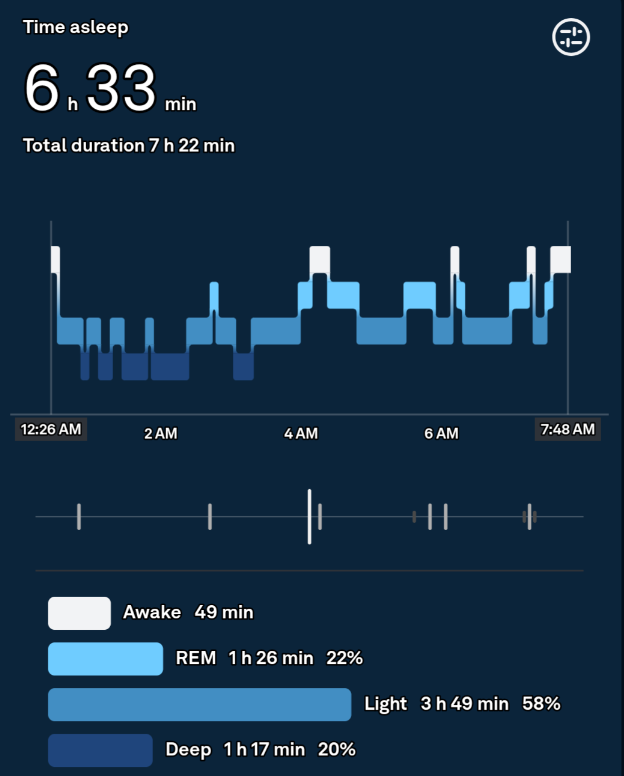
A screenshot showing eight hours of perfect sleep, a post from a wellness retreat, or a casually shared photo of a work-free afternoon can communicate success just as effectively as a designer logo. In an age defined by burnout, demonstrating control over one’s body and schedule has become a powerful form of social currency.
The Business of Invisible Luxury
Companies are quickly adapting to this shift.
Businesses across wellness, education, travel, and premium services are positioning themselves as providers of lifestyle enhancement rather than status products.
Luxury hospitality brands now emphasize personalized experiences. Health-tech companies offer tailored wellness solutions. Educational institutions market lifelong learning opportunities. Subscription-based concierge services promise convenience and time savings.
The definition of luxury is expanding beyond products and increasingly encompassing experiences, outcomes, and personal transformation.
A New Definition of Wealth
The rise of invisible luxury reflects a broader cultural shift in how success is measured. While traditional luxury focused on what people owned, modern consumers are placing greater value on how they feel, how they spend their time, and the opportunities available to them.
In the years ahead, luxury may become less about displaying wealth and more about creating a better life. The most desirable status symbols may not be expensive logos or designer labels, but excellent health, meaningful experiences, continuous learning, and the freedom to control one’s own time. In a world where visibility is everywhere, the greatest luxury may be the things that remain unseen.
Hidden Cost of Invisible Luxury
Yet the rise of invisible luxury also raises important questions about exclusivity. Traditional status symbols were easy to identify and relatively straightforward to aspire toward. Invisible luxury, by contrast, often depends on access, knowledge, networks, and time itself.
When wealth was expressed through a luxury car or a designer handbag, inequality was visible and easy to recognize. Invisible luxury is different. The advantages are embedded in better healthcare, elite educational opportunities, personalized services, stronger professional networks, and more time for strategic thinking and recovery.
These benefits compound over decades. A person with access to preventive medicine may avoid health problems before they emerge. A student with elite tutoring may gain opportunities unavailable to equally talented peers. A professional who can outsource routine tasks gains additional hours for career advancement, learning, and family life. The result is a form of privilege that is harder to identify, yet potentially more powerful than any visible status symbol.
As wealth increasingly manifests through premium healthcare, personalized services, and opportunities unavailable to the broader population, the gap between those who can access these advantages and those who cannot may become even harder to see. In some ways, luxury has not become less exclusive- it has simply become less visible.
Conclusion
Invisible luxury is redefining what it means to live well. As consumers place greater value on health, experiences, education, privacy, and time, spending is shifting away from products that signal wealth toward investments that improve everyday life.
This trend reflects a broader change in priorities- from impressing others to enhancing personal well-being.
In the future, the ultimate status symbol may not be what people own, but the quality of life they are able to create for themselves.