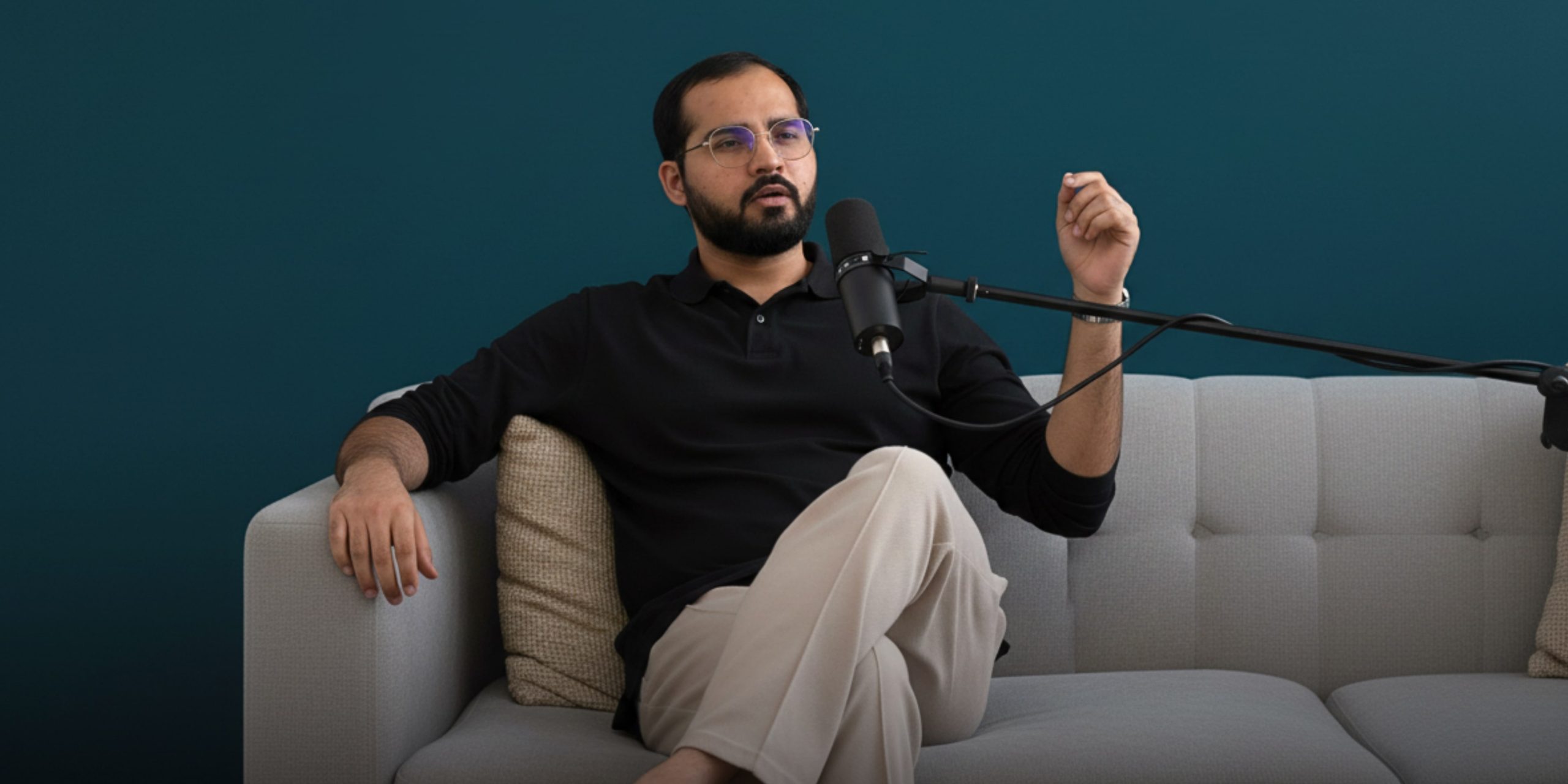
What is the most powerful asset a brand can have?
This can be answered in one word: authenticity. According to TJ Avazona, a leader in personal branding and media strategy, authenticity will be the most powerful asset a personal brand can have in the fast-approaching 2026.
Yes, even more than influence, reach, and original content.
This is because content today is full of filtered images, curated feeds, and polished slogans. The audience is craving authenticity. The crafted persona is no longer enough.
The Consumer Awakening
The 2024 Stackla study reveals that 91% of customers desire to purchase from a genuine brand. In addition, 86% indicated that authenticity is important in supporting a brand.
Another survey indicates that 90% of individuals would like brands to be transparent. This reflects how much integrity now matters in every public interaction.
People don’t want false promises and one-sided storytelling. They want actual stories of struggle and growth. TJ says that authenticity is truth and consistency. It is also doing what you say you do.
As someone who has an inspiring success story, TJ has built a million-dollar business on some cold, hard truths. This is why he advises authenticity as a strategy. He knows that authentic stories can reach the heart.
Why Personal Brands Are Especially Poised for Authenticity

Corporate brands don’t feel as much pressure as personal brands. When you put a face, a voice, a name to a brand, the stakes are higher. TJ Avazona tells his clients that authenticity begins with vulnerability. He shares the wins along with the missteps.
According to him, personal brands must be transparent if they want to gain loyalty. Most consumers like to know who’s behind a brand.
77% of consumers feel more loyal toward brands whose values they believe in. Transparency enhances that loyalty. This is why personal brands should show their beliefs, processes, and values.
Consider this situation: When someone shares how they failed a project and the lessons along with the reason behind the decisions, they become more relatable. This is how trust is built.
The Coming Trends That Will Favor Authenticity
Some huge shifts are occurring that are forcing personal brands to turn toward genuineness, as per TJ Avazona:
- Trust Deficit: Surveys (such as one reported by Lexiconn) show that many consumers distrust brands, especially on social media. These consumers think their behavior is staged and misleading. Authenticity is the remedial framework to rebuild trust.
- Desire for Real Connection: A study reveals that 86% of customers indicate that authenticity is critical. This influences them to determine which brands to like, follow, or purchase from. Individuals relate better to a brand when they get to witness its human imperfections and flaws.
- Backlash Against Perfection: The content aesthetic today is too polished and edited. This isn’t real. And this is why it’s no longer impressive and getting more off-putting. People like honesty. They desire the behind-the-scenes and the real moments.
How TJ Avazona Guides Authentic Branding (His Methodology)
TJ Avazona has guided many personal brands and public figures. He uses a practiced methodology that brings authenticity to profiles:
- Brand DNA Audit: Start with introspection. TJ leads clients through a core-values mapping that covers origin stories, failures, beliefs, and major turning points.
- Narrative Arc Construction: TJ then helps clients build a brand narrative arc. It is not a promotional timeline, but a human story of growth, struggle, and vision.
- Content Strategy That Reflects Self: Instead of mimicry, content flows from identity: thought leadership posts, micro-stories, Q&A reflections, lessons-learned posts.
- Consistency Framework: He enforces cadence, voice guides, keywords, and message filters so that every public touch is in relation to your narrative.
- Proof Points & Alignments: Authenticity needs validation. TJ often pairs narrative with data, testimonials, or third-party signals (media mentions) to root the claim in reality.
- Feedback Loop: He encourages brands to solicit audience feedback, change when dissonance appears, and iterate. Real authenticity is not static. It’s dynamic.
The Risk of Staying Inauthentic
The consequences of being inauthentic are many. It leads to distrust, disengagement, and public outrage. Many times, people can sense when a brand is faking it, lying about their success, or something else. This can cause rapid and long backlash.
This is why TJ says that authenticity is not about putting everything on display. In reality, authenticity is being true to what you say you do.
The Future: Authenticity Will Be The Foundation

For TJ Avazona, authenticity will be the foundation upon which personal brands are built in 2026. Tools and platforms are becoming sophisticated, and therefore, the audience’s ability to detect inauthenticity will grow.
Those who contain authenticity from day one will flourish. Their brands will carry trust, credibility, and resilience. TJ Avazona believes the strongest personal brands will be those that live their message, reflect their values authentically, and embrace vulnerability.