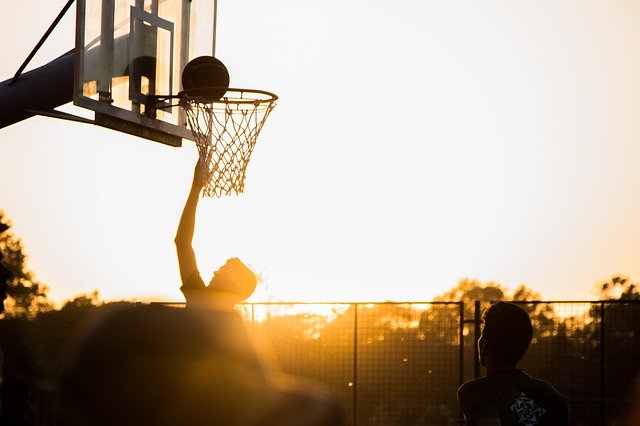
Basketball is more than just a sport—it’s a teacher shaping character, work ethic, and personal growth in ways that extend far outside the court. The lessons learned through hours of practice, close games, and team dynamics often echo through everyday life. From discipline and goal-setting to handling pressure and developing resilience, Eric Kleiner says that the game offers a foundation for success in school, work, and relationships.
Players quickly discover that hard work doesn’t guarantee instant results, but it does foster persistence, adaptability, and inner strength. As they navigate wins, losses, and everything in between, the experience becomes part of who they are, shaping how they lead, cooperate with others, and face life’s unpredictable challenges.
Lessons That Go Beyond the Game
Basketball offers more than just competition or exercise. It shapes how players think, act, and respond to challenges on and off the court. The habits and mindset developed during practices and games often find their way into other parts of life.
Whether someone plays in a school gym or at the park, the experience teaches them how to commit to something bigger than themselves. The court becomes a place where focus, effort, and attitude are tested—skills that hold value in classrooms, workplaces, and relationships. A young player might not realize it at the time, but the discipline gained from drills or the patience learned during tough games often stays with them after the final buzzer.
Building Discipline and Setting Goals
Success in basketball rarely happens overnight. It requires consistent effort, early morning practices, extra time in the gym, and a willingness to improve even when no one is watching. That kind of commitment trains the mind to stay focused, even when the results take time to show.
Players learn to chase both short-term achievements and long-term milestones. Whether it’s working toward making the starting lineup or improving a free-throw percentage, each goal comes with setbacks and small victories. These moments help build a mindset that values progress, not just outcomes.
Later in life, that same approach shows up when someone applies for college, pursues a promotion, or works through a personal challenge. The discipline learned on the hardwood often becomes the quiet force behind long-term success. It creates a mental blueprint for facing challenges with clarity and determination.
Teamwork, Communication, and Respect
Basketball is a team sport, and no one wins alone. Players must learn to trust one another, share the ball, and communicate clearly. Good chemistry isn’t automatic; it’s built over time through shared effort and mutual understanding.
Respect is just as important as skill. A player who listens to their coach, supports their teammates, and treats opponents fairly often leaves a lasting impression. These values don’t disappear after the final whistle. They carry over to group projects, professional teams, and everyday interactions.
Even disagreements on the court teach lessons. Learning to handle conflict while staying focused on a common goal helps shape better leaders, friends, and collaborators. It’s often those tense moments that reveal the most about character and growth.
Performing Under Pressure
The final seconds of a close game don’t leave room for hesitation. Players have to make decisions quickly, often surrounded by noise, fatigue, and the weight of expectations. Over time, these high-stress moments become familiar territory, sharpening focus and teaching composure.
That ability to stay calm under pressure doesn’t just apply to buzzer-beaters. It shows up during job interviews, while giving speeches, or when making difficult choices. Years of handling game-day nerves can build confidence that helps in moments when it matters most.
Handling Success and Overcoming Setbacks
Winning feels great, but learning how to win with grace is its own skill. Celebrating without boasting, lifting up teammates, and staying hungry for improvement are traits that set the tone for future success. On the other side, losing—especially after giving everything—teaches humility and perseverance.
A missed shot, a tough loss, or even getting benched can feel crushing. Yet, those moments often spark the most growth. They force players to reflect, adjust, and come back stronger. That same resilience becomes a tool for life’s bigger setbacks.
Healthy Habits That Last
The game demands stamina, coordination, and quick thinking, all of which promote a strong connection between body and mind. Staying physically active becomes second nature, and not just for competition.
Even long after the final game, many keep a routine of staying active, eating well, and managing stress. These habits often begin on the court but continue to shape well-being for years. Whether it’s a morning jog, a weekend pickup game, or simply staying mindful, the influence of basketball often lingers in the background, guiding positive choices. That early exposure to consistent physical activity can spark a lifelong commitment to good health.