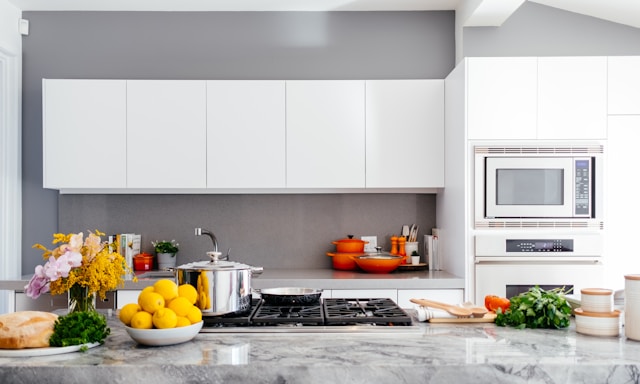
The sustainable kitchen functions as the core of environmentally responsible households. When implementing ecological improvements during renovation, utilizing ecologically conscious materials and methodologies represents an optimal approach.
Whether constructing new kitchen environments or renovating existing spaces, numerous sustainability opportunities exist, with implementation simpler than commonly perceived. Continue reading for environmentally responsible recommendations regarding materials and techniques frequently employed in sustainable kitchen design and construction.
Recycle Fixtures
At some point, reclaimed and recycled become associated with luxury. Decorating kitchen decor with recycled lighting fixtures, faucets, drawer handles, and cabinetry truly enhances kitchen décor, but it can also be costly. So many companies market items as reclaimed that it’s difficult to determine whether it’s genuinely recycled.
Companies that sell recycled fixtures should include, or be able to provide, information about where the fixtures were acquired or repurposed. Many homeowners need to know that the reclaimed lamp they purchased was made in an eco-friendly manner. Of course, if you have the time, you can always create it yourself.
Energy-efficient Appliances
Significant recent appliance industry advancements benefit consumers and environmental sustainability. While previous A+ efficiency standards maintained relatively modest requirements, recently implemented revised appliance energy classifications increased specifications necessary for achieving premium ratings.
Investing in quality, energy-efficient appliances represents long-term investments designed for sustained cost reduction. Consider various factors: dishwasher water efficiency ratings, cooking surface options including replacing gas units with induction technology for improved energy efficiency, and refrigeration quality, superior refrigerators reduce operational costs while extending food preservation periods. When planning your next kitchen remodeling in Columbus, OH, prioritizing energy-efficient appliances creates lasting environmental benefits while reducing monthly utility costs.
Ditch the Plastic
Plastics are everywhere in the kitchen, from merchandise conveyance receptacles to transparent food coverings, generating substantial ecological consequences. Plastic reduction initiatives begin through incremental, achievable modifications.
Utilize renewable tote bags during procurement activities, transition toward decomposable waste receptacle linings, and substitute cling film with beeswax-infused fabric alternatives. These natural wrapping materials provide appropriate ventilation and multiple usage capabilities, and they frequently incorporate attractive design elements that enhance refrigerator aesthetics.
Bamboo dining sets and paper plates represent superior alternatives during social gatherings, eliminating single-use plastics. Glass containers represent a fashionable and functional plastic reduction strategy while enhancing storage organization efficiency.
Reduced Food Waste
Food waste generates substantial greenhouse gas emissions during decomposition within waste management facilities. Strategic meal configuration based upon actual consumption behaviors prevents excessive procurement while ensuring complete ingredient utilization. Weekly nutritional planning incorporating existing inventory reduces redundant acquisitions while stimulating culinary creativity.
Appropriate storage strategies substantially extend ingredient viability. subterranean vegetables maintain freshness within cool, light-restricted environments rather than refrigeration units, while herbaceous materials preserve vitality when stored similarly to floral arrangements in aqueous environments. Vegetable remnant utilization for culinary foundation liquids transforms potential waste into flavor-enhanced elements.
Grow Your Own Fresh Ingredients
Home growing delivers superior freshness while simultaneously eliminating packaging materials and transportation environmental impacts. Minimal spatial requirements accommodate herbaceous cultivation within window environments or compact vegetation production within limited exterior spaces. Initial cultivation focusing on accessible varieties including basil, lettuce, and tomato plants develops horticultural confidence while providing immediate culinary advantages.
Interior cultivation extends productive periods enabling continuous access to fresh flavor components. Numerous herbaceous varieties flourish within interior environments during colder seasons, ensuring persistent availability of fresh seasoning elements enhancing nutritional preparations without commercial acquisition requirements.
Endnote
Implementing these sustainable kitchen changes creates a ripple effect that extends far beyond your home. Each decision to choose eco-friendly materials, support local farmers, minimize waste, grow your own ingredients, and invest in efficient appliances contributes to a healthier planet while building a more resilient food system.