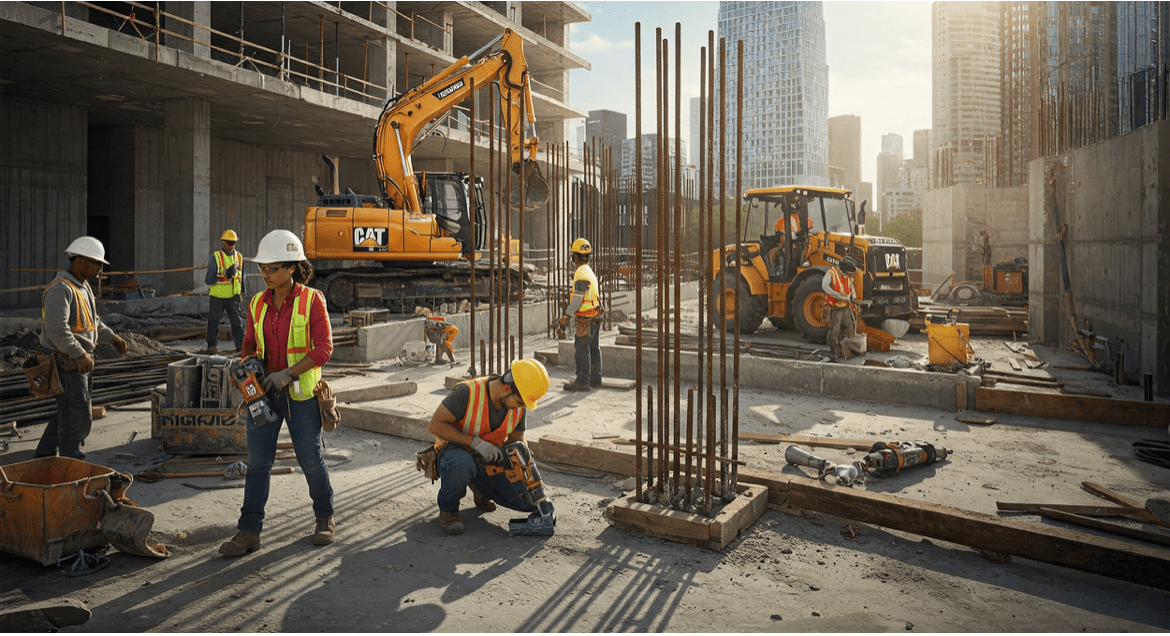
In an industry known for its complexity, tight timelines, and escalating costs, the construction sector is increasingly turning to lean principles to improve efficiency, reduce waste, and enhance project delivery. Lean construction—an adaptation of lean manufacturing principles for the building environment—emphasizes value creation for the client while minimizing non-value-adding activities. It’s a methodology that not only drives cost-effective outcomes but also fosters better collaboration, safety, and long-term sustainability.
For independent project managers overseeing both residential and commercial developments, mastering lean construction is becoming an essential skill for success.
What Is Lean Construction?
At its core, lean construction is about maximizing value while minimizing waste. It’s a framework that challenges traditional construction approaches by focusing on continuous improvement, respect for people, and optimized workflows.
William E. Trowell, a Construction Project Manager, states “Unlike conventional construction, which often operates in silos, lean construction encourages all project stakeholders—owners, architects, engineers, contractors, and subcontractors—to work collaboratively from the start. This integrated project delivery (IPD) model ensures alignment in goals, reduces miscommunication, and improves accountability across the board.”
Key components of lean construction include:
- Pull planning systems
- Last Planner® System (LPS)
- Just-in-time delivery
- Value stream mapping
- Continuous flow processes
These principles, when applied correctly, result in streamlined operations and reduced project variability.
The Benefits of Lean for Construction Projects
Lean construction isn’t just a buzzword—it yields measurable results. Whether working on a single-family home or a mid-size commercial building, the lean mindset helps project managers deliver on time, under budget, and with higher quality. Here’s how:
1. Time Savings Through Scheduling Discipline
Lean emphasizes early and realistic planning. The Last Planner System, for instance, allows team members to identify scheduling risks and resolve them before they impact progress. By committing to realistic daily and weekly plans, workers are empowered to meet deadlines more consistently, cutting down on delays that typically plague construction sites.
2. Lower Costs Through Waste Reduction
Lean identifies eight common forms of waste in construction: overproduction, waiting, transport, extra processing, inventory, motion, defects, and underutilized talent. By systematically eliminating these inefficiencies—such as unnecessary material movement or excess inventory—project managers can significantly lower costs without sacrificing quality.
3. Improved Collaboration and Communication
From BIM (Building Information Modeling) coordination to daily team huddles, lean methods foster open lines of communication. This transparency builds trust and ensures that every stakeholder understands their role, responsibilities, and how their work affects others. The result: smoother project execution with fewer conflicts and change orders.
4. Higher Quality and Craftsmanship
Quality doesn’t happen by accident. Lean construction embeds quality checks into every step of the process, not just at the end. This proactive approach ensures that issues are caught early, reducing the need for costly rework and ensuring the final product meets or exceeds expectations.
The Role of the Project Manager in Lean Execution
In lean construction, the project manager becomes a facilitator and coach, not just a taskmaster. They create an environment where collaboration thrives and continuous improvement is the norm. Their responsibilities include:
- Leading early planning and alignment workshops
- Creating and maintaining pull schedules and look-ahead plans
- Coordinating just-in-time delivery of materials
- Monitoring productivity metrics and eliminating bottlenecks
- Ensuring compliance with safety and environmental regulations
This role requires a high degree of adaptability, as well as the ability to interpret blueprints, navigate permits, and leverage digital tools like BIM for real-time coordination.
Overcoming Common Challenges
While the benefits of lean construction are clear, implementation can present obstacles. Many teams are accustomed to traditional methods and may resist change. Others may lack training or access to the digital tools that support lean practices.
To overcome these hurdles, project managers should:
- Start small by piloting lean on a single phase or trade
- Invest in team training and onboarding for lean tools
- Hold regular debriefs and continuous improvement sessions
- Build relationships with subcontractors who share the lean mindset
It’s also critical to adapt lean principles to the scale and context of the project. While massive infrastructure projects might require full-scale lean systems, smaller builds can benefit from simplified versions tailored to their needs.
Lean and the Future of Construction
The construction industry is under increasing pressure to deliver more with less—less time, fewer resources, and tighter budgets. Lean construction provides a practical framework for meeting those demands without sacrificing quality or craftsmanship.
As clients demand more sustainable and efficient building practices, the lean model aligns perfectly with modern construction values. From reducing material usage and carbon footprints to streamlining permitting processes and enhancing onsite safety, lean isn’t just a competitive advantage—it’s becoming an industry standard.
Conclusion
Mastering lean construction isn’t about adding more complexity to the project—it’s about stripping away the inefficiencies that slow down progress and drive up costs. For today’s project managers, especially those working independently or across diverse project types, lean construction offers a proven path to on-time, under-budget delivery with a focus on quality and value.
By adopting lean methods, cultivating collaboration, and continuously learning from each project, construction professionals position themselves not just as builders—but as strategic leaders ready to shape the future of the industry.