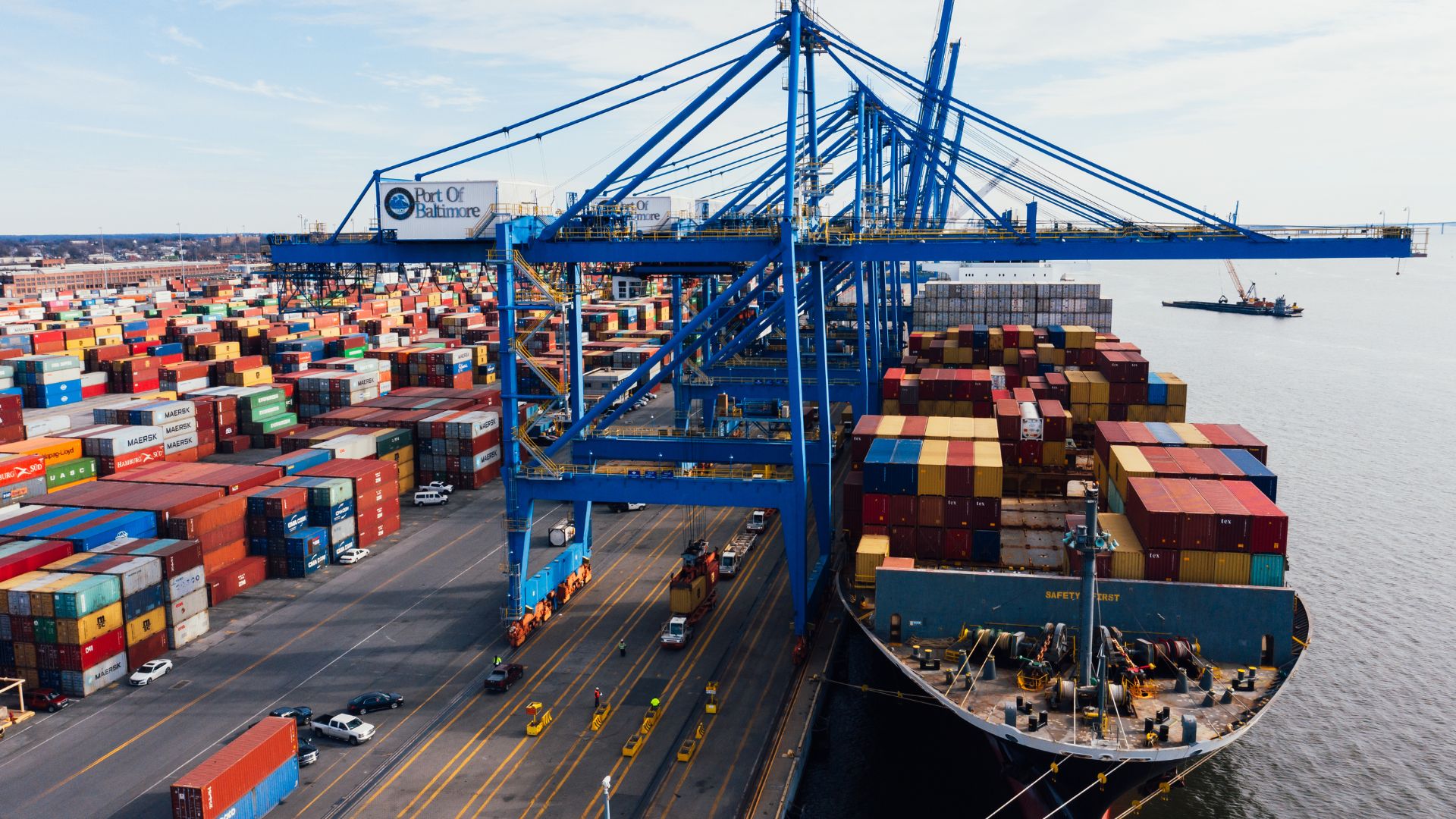
Global supply chain disruptions have significantly impacted the construction industry, forcing companies to rethink procurement, sourcing, and project management strategies. As The ProLift Rigging Company professionals know rising material costs and delays have made it essential for firms to adopt more flexible and efficient approaches. Many are turning to regional suppliers, alternative materials, and advanced technology to mitigate risks.
The adoption of modular and prefabricated construction is increasing, while automation and AI-driven forecasting tools are helping firms maintain productivity despite uncertainties.
Long-term resilience strategies are becoming a priority, with companies focusing on sustainable sourcing and policy advocacy to secure a more stable future. These shifts highlight the industry’s need to adapt quickly, ensuring that projects remain on schedule and budgets stay under control despite ongoing supply chain challenges.
Impact of Global Supply Chain Disruptions on Construction
Rising material costs and unpredictable delivery schedules have created significant challenges for the construction industry. Supply chain disruptions, driven by factors like geopolitical tensions, labor shortages, and fluctuating demand, have made it difficult for companies to secure essential materials on time. Delays in shipments force contractors to adjust schedules, often leading to increased project costs and extended completion timelines. Unexpected shortages of key materials such as lumber and steel have further complicated planning, making it harder for firms to accurately estimate costs and timelines.
Many construction firms have had to rethink their procurement strategies to mitigate these risks. Some have turned to regional suppliers to reduce dependency on overseas shipments, while others have stockpiled critical materials to prevent shortages. The shift in approach highlights the growing need for flexibility and proactive planning in an industry that relies heavily on global trade networks.
Shifting Trends in Material Sourcing and Production
With supply chain vulnerabilities becoming more apparent, many construction companies are shifting away from relying solely on international suppliers. Domestic manufacturing has gained momentum, helping firms avoid long lead times and unpredictable shipping costs.
This transition not only reduces logistical headaches but also supports local economies and minimizes environmental impact. Governments are also encouraging this shift by offering incentives for businesses that prioritize domestic production, further driving the trend toward localized sourcing.
Alternative materials are also becoming more popular as traditional resources face shortages. Builders are exploring options like engineered wood, recycled steel, and hempcrete to maintain production schedules without sacrificing quality. These innovations provide sustainable solutions while ensuring projects continue moving forward despite market uncertainties.
As material costs fluctuate, construction firms that embrace alternative resources gain a competitive advantage by maintaining steady production without excessive reliance on scarce commodities.
Technology’s Role in Strengthening Supply Chains
Advanced technology is revolutionizing how construction firms manage supply chain disruptions. AI-powered forecasting tools help companies predict demand more accurately, reducing the risk of material shortages. Digital procurement platforms streamline communication between suppliers and contractors, making it easier to track inventory and adjust orders in real time. These tools allow businesses to make data-driven decisions, improving efficiency and reducing the likelihood of costly delays.
Automation is also playing a key role in addressing inefficiencies. The rise of 3D printing and robotic construction methods allows firms to manufacture components on-site, cutting down on transportation delays. These advancements not only enhance efficiency but also reduce dependency on traditional supply chains, giving companies greater control over their production processes. As technology continues to evolve, the construction industry will likely see an even greater reliance on automated solutions to mitigate supply chain challenges.
Adapting Construction Practices for Supply Chain Challenges
Unpredictable material availability has forced construction firms to rethink traditional procurement strategies. Many companies are diversifying their supplier base, working with multiple vendors to reduce reliance on a single source. This approach helps minimize disruptions when one supplier faces delays or shortages, ensuring projects stay on track. Additionally, firms are negotiating long-term contracts with suppliers to lock in pricing and secure a steady flow of materials, preventing unexpected cost surges.
Inventory management has also become a critical focus. Some firms are adopting just-in-time ordering systems to balance supply and demand more effectively, while others are stockpiling essential materials to avoid unexpected price spikes.
These adjustments highlight the need for flexibility in an era of supply chain uncertainty. By leveraging strategic inventory practices, companies can better withstand market fluctuations without compromising project timelines or profitability.
The Rise of Modular and Prefabricated Construction
Off-site manufacturing is gaining traction as a solution to supply chain instability. Prefabricated components allow builders to assemble structures more quickly, reducing dependence on unpredictable material deliveries. This method also improves cost control and minimizes waste, making it a practical choice for large-scale developments. Companies investing in off-site production facilities are finding that pre-assembled components lead to faster project completion times and fewer delays caused by supply shortages.
Modular construction has been particularly useful in addressing labor shortages. Since much of the work is completed in controlled factory settings, projects require fewer on-site workers, cutting down on delays caused by workforce limitations. Industries such as healthcare and hospitality are increasingly adopting this approach to meet growing demand without being hindered by supply chain disruptions. The ability to mass-produce standardized components makes modular construction an attractive option for developers looking to maintain efficiency in unpredictable market conditions.
Long-Term Industry Outlook and Resilience Strategies
The construction industry is adapting to a future where supply chain volatility is the norm. Companies are investing in technology and strategic partnerships to build more resilient operations. Many are also advocating for policy changes that encourage local manufacturing and sustainable sourcing, reducing long-term risks. Governments and industry leaders are working together to create financial incentives for businesses that prioritize resilience, ensuring that companies remain competitive despite ongoing disruptions.
Looking ahead, firms that embrace innovation and proactive planning will have a competitive edge. Those who integrate digital tools, diversify suppliers, and explore alternative materials will be better positioned to navigate uncertainties.
The ability to pivot quickly in response to global challenges will define success in the evolving construction landscape. As supply chain dynamics continue to shift, companies that remain adaptable will not only survive but thrive in an increasingly complex environment.