Pharmacies are undergoing a transformation that’s reshaping their role in healthcare. Once focused primarily on dispensing medications, they become essential hubs for personalized care and advanced services. With technology driving change and patients expecting more, pharmacies are adapting to meet new demands.
From telehealth consultations to AI-powered tools, the focus is shifting to improving access, convenience, and outcomes. Leaders at Texas Star Pharmacy, a group known for its innovation in pharmacy operations, discuss how this evolution signals a future where pharmacies do much more than fill prescriptions, becoming a vital partner in overall patient health.
Technological Innovations Shaping the Future of Pharmacies
Advancements in technology are driving significant changes in the way pharmacies operate, improving medication management, accessibility, and overall patient care. The integration of intelligent systems, automation, and remote services is transforming traditional practices, ensuring improved outcomes for both pharmacists and patients.
Artificial intelligence (AI) is reshaping the core responsibilities of pharmacies, particularly in medication management. By analyzing large volumes of patient data, AI enables healthcare providers to recommend treatments tailored to individual needs. This approach ensures that medications align with a patient’s unique medical history, reducing the likelihood of adverse reactions.
AI also improves prescription accuracy by identifying potential drug interactions and errors before they reach the patient. These systems act as a second pair of eyes, assisting pharmacists in making data-driven decisions. Additionally, AI tools help in optimizing dosing regimens for complex health conditions, ensuring treatments are both safe and effective.
“Our pharmacists benefit from AI by saving time on administrative tasks, allowing them to focus more on patient interactions,” says Raman Bhaumik, a Texas Star Pharmacy executive. “The ability to predict trends and spot patterns in patient populations also equips pharmacies with better strategies for inventory management and preventive care.”
Robotics and automation are playing a key role in modernizing pharmacy workflows. Automated dispensing systems handle repetitive tasks with precision, significantly reducing human errors. With advanced robotic arms and smart storage systems, pharmacies can efficiently sort, count, package, and label medications in record time.
The time saved through automation allows pharmacists to step out from behind the counters and engage directly with patients. Instead of focusing solely on processing prescriptions, they can provide valuable guidance on proper medication use and address health-related concerns.
Automation is also enhancing security. These systems track every step of prescription filling, reducing theft and ensuring pharmacy compliance with regulatory standards. As pharmacies integrate more automated solutions, they can manage higher prescription volumes without compromising quality or safety.
Telepharmacy is bridging gaps in healthcare, especially in rural and underserved areas where accessing a pharmacist can be a challenge. Through virtual platforms, pharmacists are now able to consult with patients remotely, ensuring they receive the guidance they need without the requirement to travel long distances.
For individuals living in remote locations or those with mobility issues, telepharmacy provides a lifeline. Patients can discuss their prescriptions, receive medication counseling, and even address concerns like side effects or dosage adjustments—all from the comfort of their homes.
Healthcare facilities in rural regions are also benefiting, as telepharmacy enables them to connect with experienced pharmacists for advice on complex cases. It improves accessibility but also reduces disparities in care, ensuring that everyone, regardless of their location, has access to expert guidance.
By integrating telepharmacy into their services, pharmacies can extend their reach and provide a more inclusive approach to healthcare delivery. This model empowers patients while ensuring they remain connected to professional support at all times.
Personalized Patient Care in Modern Pharmacies
Pharmacies are rapidly shifting toward more patient-centered models of care, aiming to meet individual health needs more effectively. Personalized services are transforming the pharmacy into a proactive health partner, prioritizing tailored medication and comprehensive support programs.
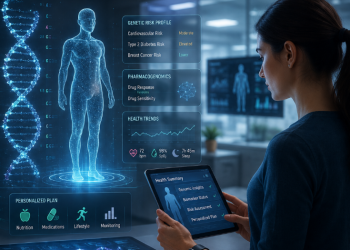
Genetic testing is revolutionizing how medications are prescribed and managed. Through pharmacogenomics, pharmacies can analyze a patient’s genetic makeup to determine how they might respond to specific medications. This approach ensures that treatments are effective and safe.
Notes a leader at Texas Star Pharmacy, “Some medications may work well for one person but cause adverse reactions in another due to genetic differences. By examining these variations, pharmacists can adjust dosages or select alternative treatments that align with the patient’s biological profile.”
This personalized method reduces trial-and-error prescribing, lowers the risk of side effects, and improves overall treatment outcomes. With advancements in pharmacogenomics, pharmacies are becoming critical players in the shift toward precision medicine.
Modern pharmacies are expanding their role by offering health services that go far beyond filling prescriptions. In addition to being medication providers, they are becoming wellness destinations. Many now include vaccination clinics, chronic disease screenings, and even dietary or lifestyle counseling.
Pharmacies serve as convenient locations for immunizations, helping individuals keep up with routine vaccinations or seasonal needs like flu shots. Chronic disease management programs are also gaining traction, where pharmacists assist patients with conditions such as asthma and hypercholesterolemia.
They provide crucial insights into disease progression, ensuring patients stay on track with their healthcare goals. Wellness coaching often focuses on preventive care, encouraging healthier lifestyle choices to reduce the likelihood of future health issues. By integrating these services, pharmacies create a more holistic approach to patient care.
Digital Health Solutions and Patient Empowerment
The intersection of healthcare and technology is giving people more control over their well-being. Pharmacies are playing a vital role in this shift, using digital health tools to support patients in managing their medications and overall health. These innovations improve accessibility while enhancing communication between pharmacists and patients, fostering a more engaged and informed approach to care.
Mobile applications are changing how patients interact with their medications. These apps act as powerful tools to improve adherence by providing timely reminders for doses, refill alerts, and tailored educational content. Forgetting to take a pill or refilling a prescription often disrupts treatment, but mobile apps help patients stay on track with ease.
Many apps now feature medication tracking, which enables users to record doses, note any side effects, and even share this information with their healthcare providers. By doing so, pharmacists can assess adherence patterns and address challenges in real-time.
“Pharmacies are solidifying their role as indispensable allies in healthcare by embracing emerging technologies and personalized care models,” concludes a Texas Star Pharmacy leader.
Innovations such as AI-driven medication management, telepharmacy, and pharmacogenomics are setting new standards for patient outcomes and accessibility. These advancements, paired with wellness programs and sustainable practices, are reshaping pharmacies into comprehensive health hubs.
As the industry continues to evolve, pharmacies are uniquely positioned to bridge gaps in care, deliver tailored solutions, and empower individuals to take control of their health. This transformation signals a future where pharmacies are actively shaping a more connected, inclusive, and health-focused society.