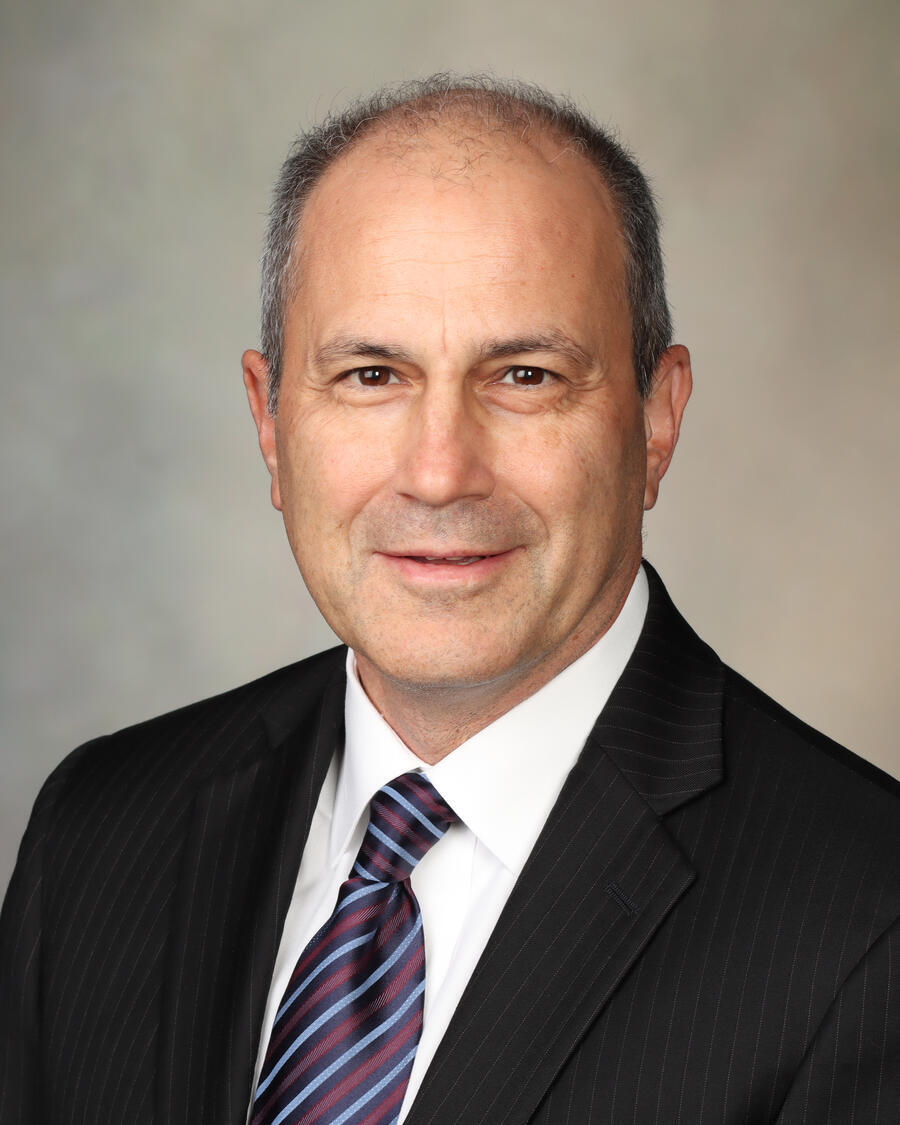
Dr. Jonathan D’Cunha is a highly respected figure in the field of cardiothoracic surgery. As the Chair of Cardiothoracic Surgery at Mayo Clinic Arizona, D’Cunha has dedicated his career to advancing surgical techniques and mentoring the next generation of surgeons. With an MD/PhD from the Medical College of Wisconsin, where he specialized in cancer biology and immunology, he has contributed significantly to the understanding and application of immunotherapy. His research and clinical expertise in minimally invasive thoracic surgery and lung transplantation have made him a leader in the field. This interview delves into his background, journey, and insights into the ever-evolving landscape of cardiothoracic surgery.
Early Influences and Education
Who has had the greatest influence on your approach to cardiothoracic surgery, and what key lessons did they impart?
I don’t think there is one person who had a single influence in my approach to cardiothoracic surgery. In sum, I think it was a few key faculty during general surgery training and numerous faculty during cardiothoracic training at the University of Minnesota who taught me the value of a critical thinking approach to complex patient problems. Prepare well and execute the technical aspects of an operation to precision with the understanding that sometimes you have to think outside the box. Importantly, the details matter in all phases of care, including seeing a patient through their post-operative journey.
How did your experience at the Medical College of Wisconsin and subsequent research shape your career?
My time at the Medical College of Wisconsin was transformative. Working closely with leaders in immunology and focusing on immunotherapy laid the foundation for my interest in combining clinical practice with research. The discovery of the novel interferon-induced immunomodulatory cytokine, ISG15, was particularly pivotal. It highlighted the potential of augmenting the immune system to combat viral infections and malignancies, which is a perspective I carry into my surgical practice and research today.
Mentorship and Leadership
How do you mentor the next generation of surgeons, and what strategies do you use to help them succeed in a high-stakes field?
Every one of them is different and comes to us with a different set of interests, skills, and background. You have to individualize the approach and instill within them the passion for paying attention to the details. Additionally, there is no substitute for putting in the hours of reading, patient care, and experience in the operating room. “10,000 hours” is a minimum and always evolves.
How has your perspective on mentorship evolved as you’ve moved into leadership roles at institutions like Mayo Clinic?
I struggled for the longest time trying to understand what I was trying to achieve with mentorship. I knew that the impact I could make was significant and came in many forms. When I got to the Mayo Clinic, I learned about the term “servant leadership.” It resonated with me deeply and is the underpinning for what I was trying to accomplish. I equate it to me personally finally finding my mission statement as it relates to mentorship. The other key piece is the mastery of adjusting my style to what a particular person needs. They are all different in so many ways, and you cannot have a one-size-fits-all all approach.
Innovations in Cardiothoracic Surgery
What role does mentorship play in advancing surgical innovation and patient care?
Mentorship is incredibly important no matter what phase of your career as you innovate for patient care. Innovation can be very fun and inspiring, but you have to do it safely and thoughtfully when it comes to patient care. As we innovate, it is important to involve mentors and leaders in the area so techniques can be implemented safely.
How do you identify and support promising talent in the field of cardiothoracic surgery?
Every trainee or young faculty is different. You have to individualize the approach and learn how to support their strengths. My general approach is to give them the support and resources they need and get out of their way! Be there when they need you. Promising talent will rise to higher levels than you can ever imagine.
Dr. Jonathan D’Cunha continues to lead and innovate, contributing significantly to the future of cardiothoracic surgery, while his commitment to mentorship ensures the growth and success of future surgeons in the field.
Achievements and Expertise
What are some of the key innovations you’ve led or been a part of during your career in cardiothoracic surgery?
One of the significant innovations I’ve been involved in is the development of ex vivo lung perfusion (EVLP), particularly its application in the United States. EVLP allows us to assess and treat donor lungs outside the body to enhance their viability for transplantation. This innovation has been crucial in expanding the donor pool and improving outcomes for lung transplant patients. Additionally, my work in minimally invasive and robotic thoracic surgery has been pivotal in reducing patient recovery times and improving surgical outcomes.
How do your research interests align with your clinical practices, and how do they contribute to advancements in thoracic oncology and transplantation?
My research interests are deeply intertwined with my clinical practices. Focusing on thoracic oncology, I’ve strived to integrate cutting-edge treatments, like immunotherapy, into surgical approaches. This synergy allows us to provide comprehensive care that not only targets the malignancy but also supports the patient’s overall health and recovery. In transplantation, my research into immunomodulatory therapies continues to explore ways to enhance graft survival and reduce rejection rates.
Vision for the Future
What do you envision for the future of cardiothoracic surgery, particularly regarding lung transplantation and thoracic oncology?
The future of cardiothoracic surgery is incredibly promising, with innovations in technology and biology paving the way for even more effective treatments. In lung transplantation, I see a future where techniques like EVLP are standard practice worldwide, drastically improving the availability and success rates of transplants. For thoracic oncology, I anticipate continued integration of precision medicine and immunotherapy strategies, allowing us to personalize treatment plans and improve patient outcomes significantly. Soon we will walk into operating rooms with 3D holograms and advanced guidance to more precisely and safely complete operations.
How are you preparing Mayo Clinic Arizona to meet the challenges and opportunities in the evolving landscape of cardiothoracic surgery?
At Mayo Clinic Arizona, we’re focusing on a multi-faceted approach. This includes investing in state-of-the-art technology, expanding research initiatives, and fostering an environment of continuous learning and innovation among our surgical team. By building robust programs in lung transplantation and minimally invasive surgery, we aim to stay at the forefront of medical advancements while ensuring the highest quality of care for our patients.
Conclusion
Dr. Jonathan D’Cunha is dedicated to advancing the field of cardiothoracic surgery which is evident in his numerous achievements and his visionary approach to future challenges. As a leader at Mayo Clinic Arizona, he continues to inspire and mentor the next generation of surgeons, ensuring that his legacy of excellence and innovation will influence the field for years to come.