The U.S. is fresh off an incredibly divisive, openly hostile election year – or, as President Donald Trump would put it, “the nastiest in the History of the World, and the most Unfair!”
This kind of appeal to base emotions has come to characterize the last decade of American politics and seems as if it will only accelerate through the rest of the Ragin’ 20s.
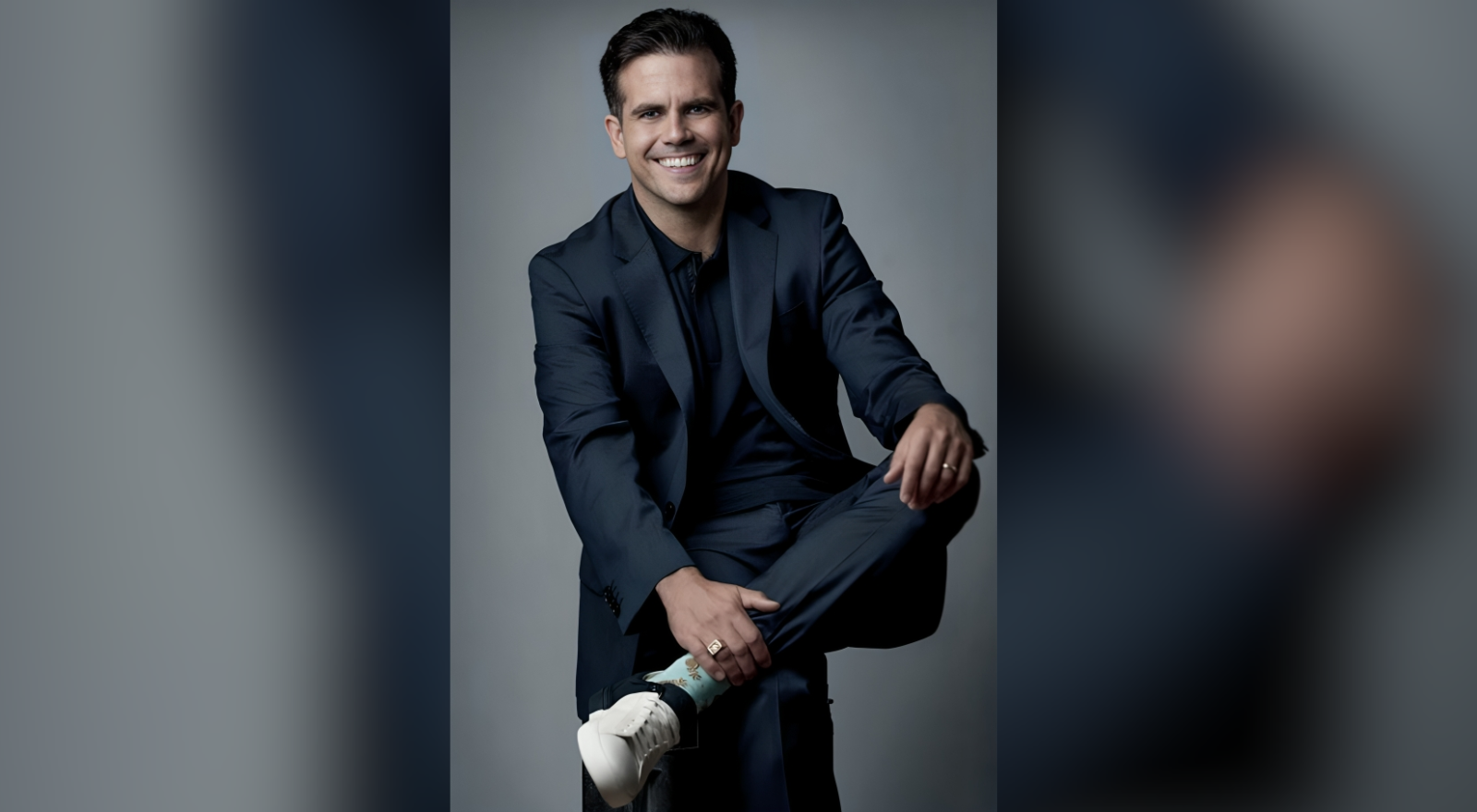
For political leaders who have based their careers on fighting for pragmatic solutions beyond petty partisan squabbles, this trend is disheartening, to say the least. Ricardo Rosselló, former Governor of Puerto Rico and author of The Reformer’s Dilemma and the Need for a Radical Middle, is taking that challenge head-on. His new book takes lessons from his tumultuous term and argues for a centrist approach that prioritizes solutions over ideological purity. His vision for the “Radical Middle” is not one of compromise for its own sake but of transformational politics that can bridge divides and deliver results.
“The Radical Middle isn’t about being neutral or indecisive. It’s about passionately rejecting the extremes and recognizing that meaningful reform requires collaboration, evidence-based policymaking, and a commitment to shared values,” says Rossello.
This election cycle provided ample evidence of real-time extremist politics. The ousting of former Speaker of the House Kevin McCarthy in October 2023, for example, revealed the growing influence of a small but vocal minority of far-right legislators willing to derail party leadership to enforce their agenda. Their demands for government shutdowns and uncompromising stances on immigration and social policies left Congress gridlocked and unable to address urgent issues like infrastructure or fiscal stability.
On the left, progressive wings of the Democratic Party are similarly gaining traction, fueled by the frustrations of losing twice to a man most of them consider morally abhorrent. Facing at least two years of being largely blocked from any policy decisions, progressive extremes are advocating sweeping proposals such as abolishing the filibuster and neutering the Supreme Court’s power. Both extremes tend to resort to rage-baiting to get what they want – and when the Senate becomes a fight between Facebook groups, everyone loses.
Rosselló views these internal political dogfights as indicative of a broader dysfunction. “Both extremes weaponize fear and outrage to mobilize their supporters, but this leaves the majority of Americans—those who want thoughtful, balanced governance—feeling unheard and unrepresented,” he says.
The impact of this polarization is evident in policy stagnation and public disillusionment. According to a 2024 Pew Research Center study, 68% of Americans expressed frustration with what they perceive as the government’s inability to function effectively. Among independents—a group that has grown in size and influence—the discontent is even more pronounced, with 74% identifying gridlock as their primary concern.
In The Reformer’s Dilemma, Rosselló outlines the challenges reformers face when trying to govern from the middle. He suggests several strategies to strengthen the Radical Middle, including fostering civic engagement and prioritizing neutral spaces for discussion. “I’m not advocating for anyone to let go of their values. I’m passionately advocating for results. To find common ground to build on, for the good of everyone we represent as political leaders. It’s not about going left or right… it’s about going forward.”
By focusing on foresight and evidence-based solutions, Rosselló believes we can restore trust in government and re-engage a largely pessimistic electorate.
“The future of our democracy depends on our ability to reject extremes and embrace the complexity of our shared challenges,” says Rossello.
By the time the ‘26 midterms roll around, will the Radical Middle have gained the traction it needs to reshape the political landscape? As the extremists become louder and more powerful, the odds grow even steeper.