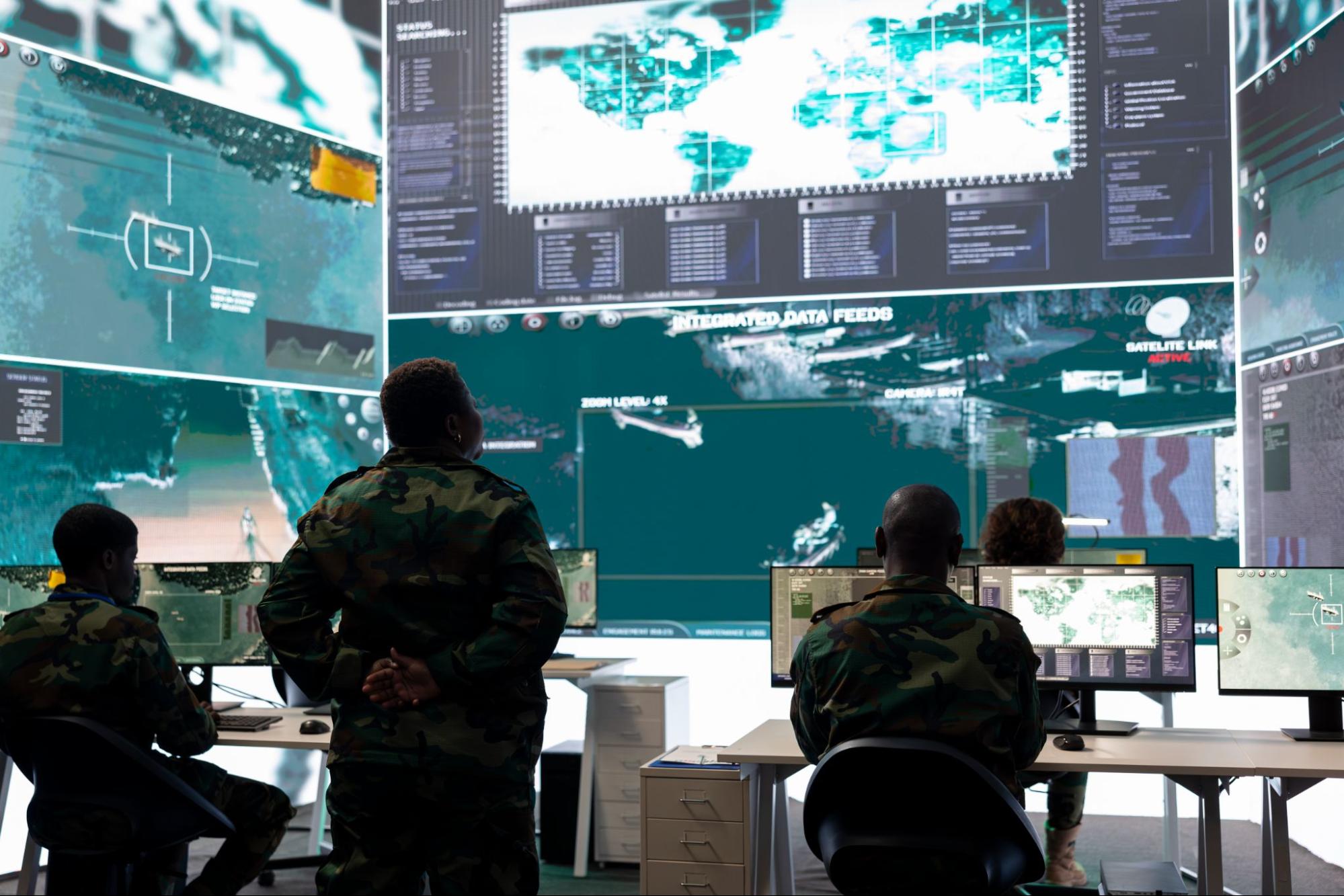
The evolving nature of missile threats has reshaped the global defense landscape. With hypersonic missiles, advanced weapon systems, and rogue state capabilities, the stakes have never been higher. As noted by Frank Rose, nations are investing heavily in cutting-edge technologies to counter these threats while also grappling with the financial, ethical, and geopolitical challenges associated with such advancements.
Collaborative efforts among countries, as well as partnerships with private industry, are becoming essential to safeguard populations and critical infrastructure. As missile defense systems become more sophisticated, the integration of artificial intelligence, quantum computing, and directed energy weapons is redefining the future of warfare.
Threats Driving Modern Missile Defense
Modern warfare has been transformed by the emergence of advanced missile systems, including hypersonic weapons capable of evading traditional defenses. These threats move at unprecedented speeds and maneuver unpredictably, making interception a challenge for even the most advanced military systems. As nations race to develop these technologies, the risks to global security continue to escalate.
Recent conflicts like the war in Ukraine have highlighted the devastating potential of missile attacks on civilian and military targets alike. Beyond conventional threats, rogue states and non-state actors are gaining access to sophisticated missile technologies, further complicating defense strategies. The rapid pace of offensive capabilities has forced governments and defense organizations to prioritize the development of cutting-edge missile defense systems to protect infrastructure and populations.
The shift toward technology-driven warfare has created an environment where traditional defense mechanisms are no longer enough. Advanced tracking systems, early warning networks, and real-time data analysis have become essential to countering these evolving threats.
Core Technologies Powering Missile Defense Systems
Missile defense systems rely on a blend of advanced technologies to detect, track, and neutralize incoming threats. Radar systems play a vital role in identifying missile launches and charting their trajectories, while satellite networks provide a broader, real-time view of potential strikes across vast distances. These technologies must work in tandem, creating a seamless flow of information for rapid decision-making. Without this synchronization, even the most advanced systems risk falling short in high-stakes scenarios.
Artificial intelligence and machine learning have become integral to processing the overwhelming volume of data generated by these systems. By analyzing patterns and predicting missile trajectories with greater accuracy, these tools reduce response times and enhance interception success rates. Interoperability between defense systems of allied nations is another key factor, ensuring that information can be shared efficiently across borders to counter shared threats. This interconnectedness is critical in an era where no single nation can address missile threats in isolation.
Innovations Shaping the Future of Missile Defenses
The development of directed energy weapons, such as high-powered lasers, has introduced a groundbreaking approach to missile interception. These systems offer the promise of neutralizing threats at the speed of light, drastically reducing the time needed to respond to incoming missiles. Space-based platforms are also emerging as a critical component of future defense strategies, offering unparalleled vantage points for early detection and interception.
Automation and AI are not only enhancing detection capabilities but also how decisions are made in high-pressure environments. By predicting attack patterns and identifying vulnerabilities, these technologies provide defense operators with actionable insights, potentially shifting the balance in modern warfare.
Investments in research and development of these cutting-edge systems are accelerating, driven by the urgent need to address the growing sophistication of missile threats that challenge the effectiveness of traditional defenses. Adding to these advancements, breakthroughs in material sciences are enabling the creation of more durable systems capable of withstanding extreme operational conditions.
Global and Collaborative Efforts
Major powers like the United States, Russia, and China are locked in a race to outpace one another in missile defense technology. Each nation is investing billions into research and development, creating advanced systems tailored to counter specific threats. NATO, as a collective defense alliance, has contributed immensely to fostering collaboration among member states, ensuring shared intelligence and resources to bolster regional security.
Private industry has also become a vital player, with defense contractors and tech companies driving innovation through partnerships with governments. Initiatives such as multinational missile shield systems demonstrate how collaboration can scale defenses to protect larger geographic areas.
The growing involvement of private firms highlights the relationship between public and private sectors in shaping the future of missile defense. Additionally, cooperative exercises and joint training programs have emerged as critical tools in strengthening the operational readiness of multinational defense alliances.
Challenges Facing Modern Missile Defense Systems
The rising costs of developing and deploying cutting-edge missile defense systems present a substantial challenge for governments. Balancing military budgets with the need for advanced technology can create political and economic tensions, particularly in regions where resources are already stretched thin. Additionally, the rapid evolution of hypersonic missiles and other advanced threats often leaves defense systems struggling to keep pace, forcing nations to constantly re-evaluate their strategies.
Geopolitical tensions further complicate matters, as advancements in missile defense by one nation may provoke rival states into accelerating their offensive capabilities.
Adapting for the Future of Global Defense
The unpredictable nature of modern threats demands systems that are not only technologically advanced but also flexible and scalable. Combining emerging technologies like quantum computing and AI with global intelligence networks could redefine how threats are identified and neutralized, allowing nations to stay ahead of adversaries.
Building stronger international partnerships will also be crucial. Global security depends on cooperation, as no single nation can shoulder the responsibility of defending against increasingly sophisticated missile threats. Collaborative initiatives in research, funding, and strategy development could pave the way for a more unified approach to global defense.
As these efforts evolve, the ethical and strategic implications of advanced technologies must remain at the forefront of decision-making, ensuring a balance between security and responsibility. Expanding these partnerships to include non-traditional allies could further enhance collective capabilities and broaden the scope of global defense strategies.