


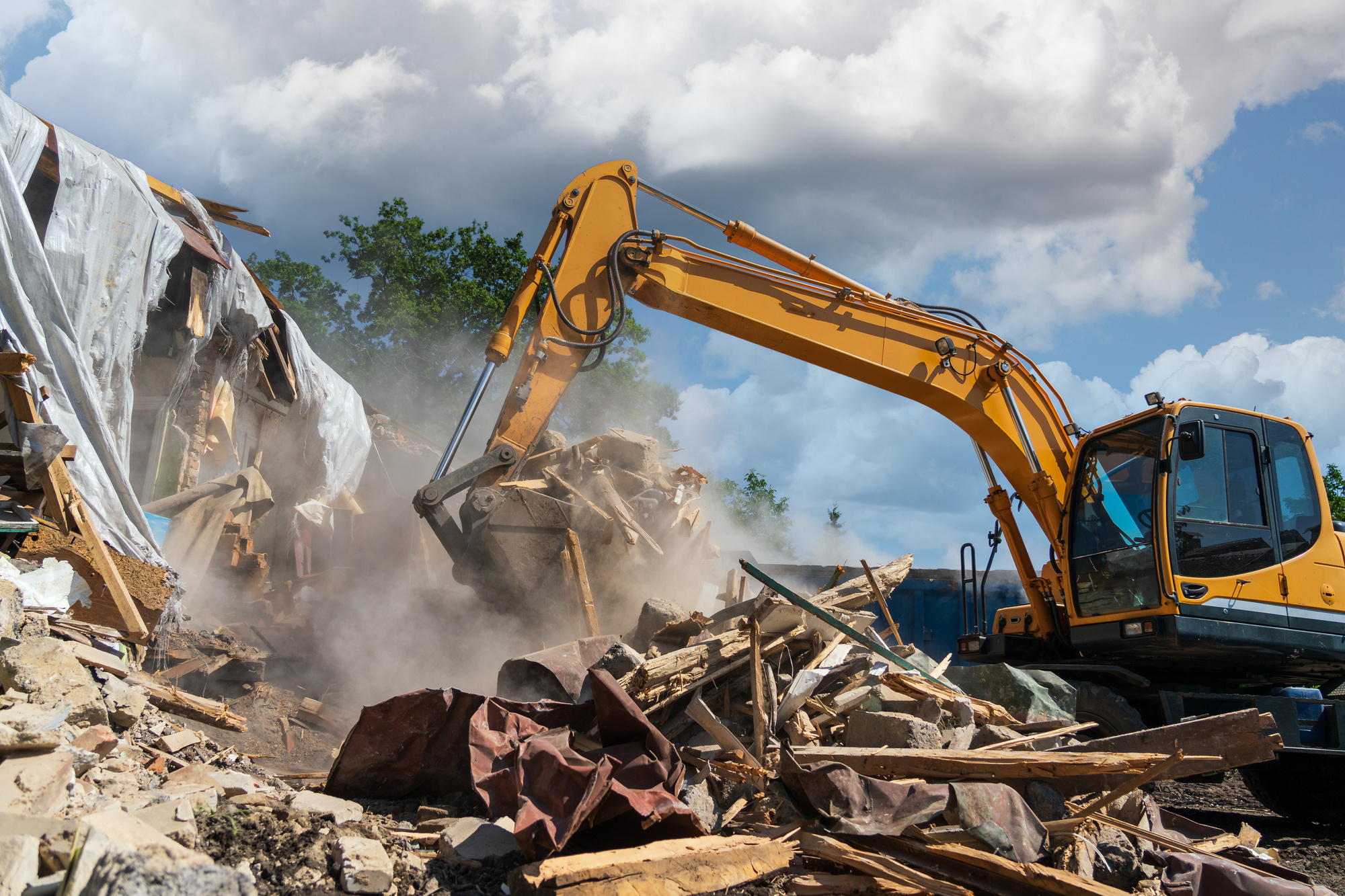
Construction sites produce significant waste, which can harm the environment if not disposed of properly. According to a BBC article published in 2021, the construction industry generates a third of the world’s waste and produces 40% of global carbon dioxide emissions.
As such, it is important to have effective strategies for managing construction site waste. This article will explore nine strategies for efficiently recycling construction site waste. By implementing these strategies, construction companies can reduce their environmental footprint and save money on waste disposal fees.
Strategy #1: Conduct a Waste Audit
Before implementing any waste management strategy, it is important to conduct a waste audit, which involves analyzing the types and quantities of waste generated on the construction site.
By understanding the waste stream, construction companies can better identify waste reduction and recycling opportunities. For instance, if the audit reveals that a significant amount of wood waste is generated, the company can explore options for recycling or repurposing the wood rather than sending it to a landfill.
Strategy #2: Implement a Waste Management Plan
Based on the waste audit findings, construction firms should create a waste management plan covering the entire construction process, from site preparation to final cleanup. The plan should include details on waste reduction, recycling, and disposal. It should also identify who is responsible for waste management and train employees in proper waste handling procedures.
Additionally, companies can consider partnering with a construction cleanup service specializing in waste management to ensure adherence to best practices and compliance with regulations.
Strategy #3: Emphasize Source Reduction
Source reduction focuses on minimizing waste generation at its source. One way to do this is by encouraging suppliers to use minimal or reusable packaging, especially since construction materials are often packaged in materials like plastic or cardboard, which can contribute to waste. Construction companies may also consider purchasing materials in bulk whenever possible.
Accurate measurement and cutting techniques are another way to reduce material waste during construction. By minimizing errors in sizing and cutting, construction professionals can ensure that materials are used efficiently and effectively, leading to less waste and a more sustainable construction process.
Furthermore, construction companies also adopt innovative technologies and practices like prefabrication, modular construction, and off-site fabrication to significantly lower waste generation.
Strategy #4: Partner With Waste Management Experts
Partnerships with recycling centers and waste management companies can be a valuable resource for construction companies looking to improve their environmental performance and minimize waste. These partners can provide expertise, guidance, and tailored solutions to help construction companies manage waste effectively and achieve sustainability goals.
Strategy #5: Implement a Recycling Program
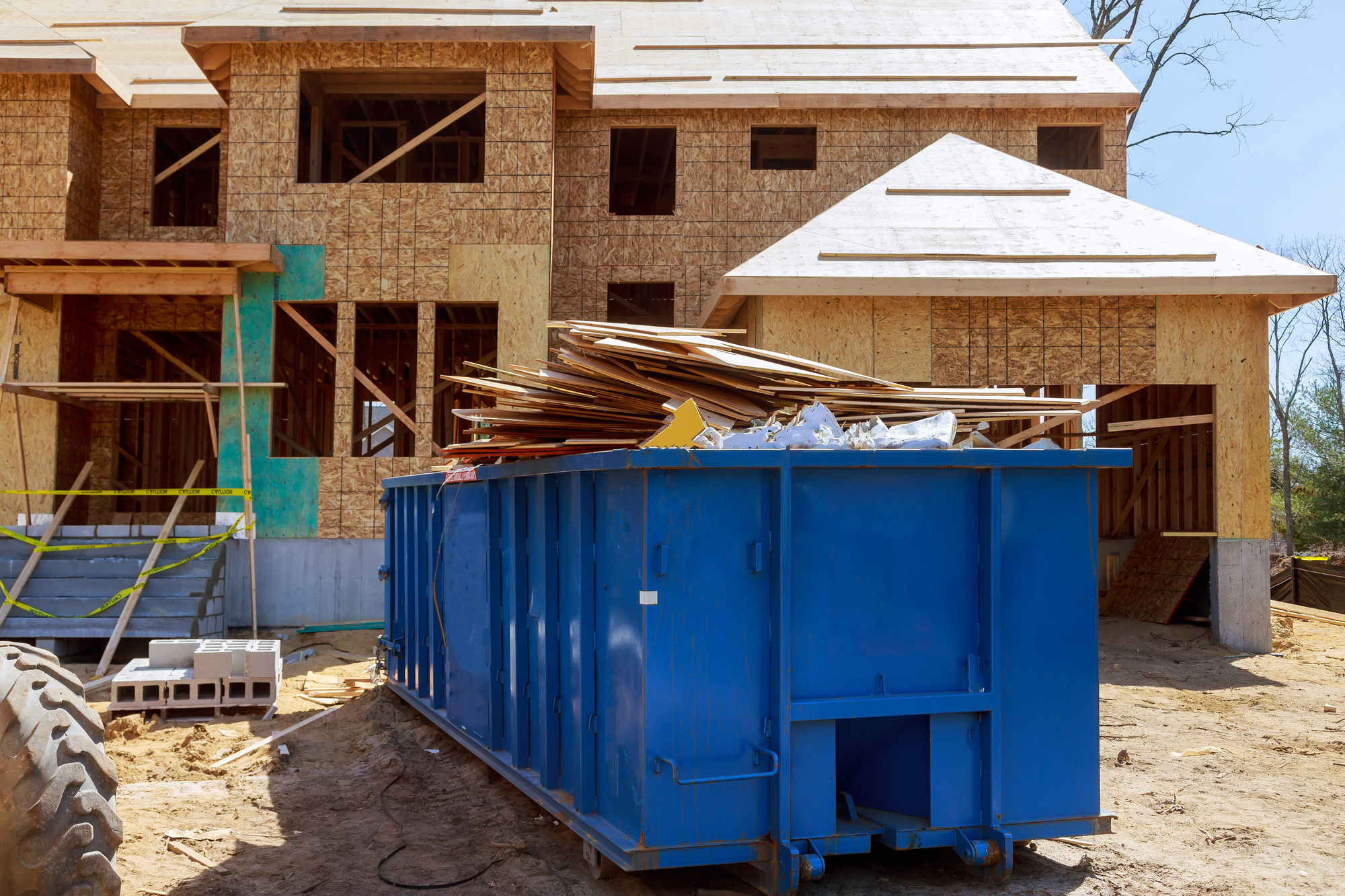
Implementing a recycling program is another effective way to reduce waste from commercial property renovations and other construction projects. Such programs can be tailored to the specific needs of each construction site and can include reusing or repurposing materials such as concrete, metal, wood, and cardboard or donating them to organizations specializing in recycling construction wastes.
By diverting waste from landfills and promoting recycling, you contribute to a more sustainable construction industry and save money on waste disposal fees.
Strategy #6: Practice Proper Segregation
Proper waste segregation is crucial for successful recycling efforts on construction sites. To achieve this, construction companies should set up clearly labeled waste bins throughout the area, separating different types of waste, such as recyclables, non-recyclable waste, and hazardous materials.
Strategy #7: Educate And Train Construction Workers
Ensuring all workers are educated about proper waste management practices is also important. That said, it’s recommended to conduct training sessions to raise awareness of the importance of waste reduction, segregation, and recycling. Moreover, encourage active participation and accountability among the workforce to foster a culture of sustainability on the construction site.
Strategy #8: Monitor And Track Progress
To ensure effective waste management, it’s crucial to regularly monitor and track waste generation, disposal, and recycling rates on construction sites. This data can help construction companies assess the effectiveness of their waste management strategies, identify areas for improvement, and enhance their environmental performance.
Strategy #9: Continuously Improve
Waste management is an ongoing process that requires continuous evaluation and improvement. That said, regularly review your waste management plan and adjust strategies as needed. It’s also a good approach to stay updated on advancements in recycling technologies and explore innovative ways to reduce waste and increase recycling rates.
Conclusion
The consequences of unmanaged construction waste are far-reaching. For instance, improper disposal and excessive waste generation can lead to increased landfill usage, environmental degradation, and resource depletion. Moreover, it poses health and safety risks to workers and the surrounding communities.
Therefore, effectively managing construction site waste is paramount to sustainable construction practices. By implementing the above mentioned strategies, construction companies can actively reduce their environmental impact and minimize the costs associated with waste disposal. This collaborative effort in waste management goes a long way in creating a more sustainable future, benefiting current and future generations.


