Not having the ability to interact and communicate with people and live a social life can be disturbing and upsetting for someone, especially for families with autistic kids. On top of that, living a life with behavioral disturbances can have a long-lasting negative impact on one’s life. Therefore, reducing the symptoms of autism is important to help patients and their families to live happy and fulfilling lives.
But how can doctors alleviate problems related to autism? Stem cell therapy can be a beneficial and impactful procedure to overcome several problems.
Read further to learn all about this therapy — what is stem cell therapy, how it works, and how it is beneficial for you or your child.
What Is Stem Cell Therapy?
It is a type of regenerative medicine that aims to repair damaged cells in your body by stimulating the renewal of the body’s tissues and modulating your immune system, and combating inflammation. These abilities of stem cell therapy make it the best treatment for several health concerns. Healthcare providers have been using this therapy to treat inflammatory, autoimmune, traumatic injuries, orthopedic conditions, and neurological problems. Additionally, researchers have conducted numerous studies to observe its impact on lupus, multiple sclerosis, COPD, ALS, Crohn’s disease, Parkinson’s disease, and stroke.
While this treatment doesn’t directly cure health conditions themselves, it can help your body heal itself by lowering reducing symptoms of the conditions that impact your body for long periods. In fact, stem cell therapy can greatly improve the quality of life and delay the spread of the disease.
Stem Cell Therapy for Kids With Autism
This therapy has shown surprising outcomes in clinical trials. Researchers have extracted cells from the umbilical cord and bone marrow to test the results and have found it effective in treating several neurological disorders such as cerebral palsy, spinal cord injury, and cerebral trauma. These studies have also shown promising results in people with autism.
In case you didn’t know already, stem cells are undifferentiated cells that can replace damaged cells that no longer function properly. The most common sign of autism is inflammation of neurons. Fortunately, many studies have proved that stem cells can lower inflammation and reduce autism symptoms. Not only this, but also replacing damaged tissues with new and healthy cells can boost the immune system’s functions, causing a reduction in the symptoms of autism.
A 2014 study by Dr. Joanne Kurtzberg of Duke University indicates the positive impact of the therapy on children. The treatment was safely administered to children with autism spectrum disorder (ASD), out of which only two showed allergic reactions. In addition, parents noticed improvements in their children’s behavior after the stem cell treatment. Children were able to show social, verbal, and behavioral improvements within 12 months after injection.
Is Stem Cell Therapy Safe?
The simple answer is “Yes.” Stem cell therapy doesn’t cause any negative effects on people with autism or other conditions. However, to get the optimal results and prevent side effects, your physician has to follow the right cell administration technique. Besides that, doctors should screen each patient first, as not every person is an ideal candidate for the treatment. Since the results and effects of this medical procedure greatly depend on your health provider, it’s best to discuss the procedure with your doctor to ensure safety and better outcomes.
What Are the Advantages of Treating Autism With Stem Cells?
Here are some benefits of stem cell therapy to treat autism.
- Mesenchymal stem cells are hypoimmunogenic. That is why human leukocyte antigen (HLA) is not required, and cell rejection is not an issue.
- Health experts can select stem cells with the best ability to control regulation, immune modulation capacity, and anti-inflammatory activity.
- There is no need to extract stem cells from the patient’s fat or hip bone (as donated cells are used) accompanied by anesthesia, which can be uncomfortable for children.
- The therapy based on stem cells is easy and it is short in time while its results last a long time, and have a cumulative effect.
- Improvements occur in most cases of therapy.
What Does Stem Cell Therapy for Autistic People Involve?
There is no definite procedure to treat autism symptoms with stem cell therapy. Additionally, government institutions don’t have any guidelines for the procedure either. That means the therapy can vary based on the healthcare provider. In most cases, the patient has to go through the following steps.
Through Checkup
The doctor will check the patient’s health conditions and autism symptoms in your first visit. They might have to provide blood tests results, medical history, prescriptions, if any, and other medical records. Hence, the physician will take a thorough checkup to ensure whether you are a good candidate for the procedure.
Extraction of Stem Cell
In the same or next visit, your doctor will begin preparing for the therapy. There are different types of stem cells that can be extracted and prepared in different ways. For instance, your doctor may use prepared cells from donor bone marrow, umbilical cords, and placentas. Based on the clinic’s policies, they also might collect it from your own fat or bone marrow. In children, donor cells are mostly always used for therapy.
Cultivation Process
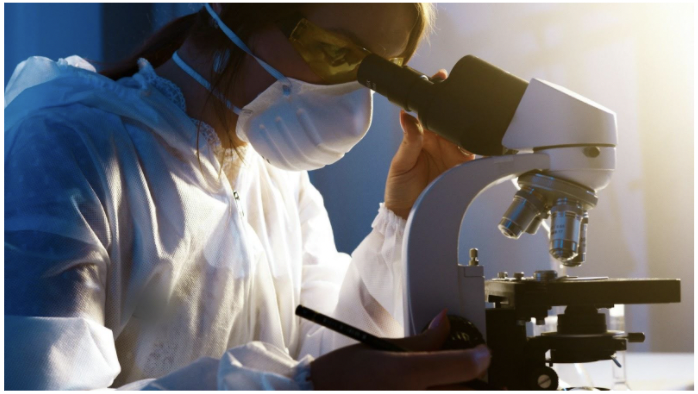
Once your doctor gets the cells, they might have to prepare them for better growth and effectiveness in the laboratory. This procedure can take a few weeks. Until then, patients don’t have to visit the clinic. This stage is only for adult patients.
Injection
You will be scheduled to visit the doctor to undergo the procedure. Your doctor will administer the cell-based product intravenously via a drip. It is a painless and safe procedure, but patients are admitted to a hospital for a few days for better care and observation. The number of injections a child may need predominantly depends on the clinic and patient. If a patient requires more than one injection, they need to revisit the hospital after a few days, weeks, or months.
Follow-up Visits
Whether you have undergone stem cell therapy for autism or other problems, you’ll need to let your doctor know about the improvements for months after the therapy. A follow-up appointment helps the doctor ensure your health is improving with time.
How Long Does the Effect of Stem Cell Therapy Last?
Stem cell therapy has lasting benefits. When a patient shows a noticeable improvement in their behaviors, you can expect them to behave the same way even after years of treatment.
Generally, you can observe changes and a reduction in symptoms after 6 to 8 weeks of the procedure. In fact, some people start getting results in a week. In the beginning, some changes that you can notice are better social interaction and improved communication skills.
Where Can You Get Autism Therapy Now?
If you are looking for promising results, high standards of treatment, and safe therapy with no side effects, you need to look for the leading doctors in the field. Swiss Medica is a medical facility with qualified, trained, and experienced doctors who aim to provide you with the best medical services for persons with ASD and their families.
The Clinic has been researching and practising stem cell therapy for autism for many years with positive outcomes. You can contact their experts or visit the facility to understand the method and discuss your concerns.
Bottom Line
For decades, people have believed that there was no treatment to help people living with autism. But now, thanks to medical growth and impressive technologies, experts have found stem cell therapy that proved to be impactful for autism. So, what are your opinions on this incredible high-tech method?