Trauma, often described as the emotional and psychological wounds resulting from distressing events, can leave profound scars on an individual’s well-being. Whether stemming from a single traumatic incident or prolonged exposure to adversity, trauma’s impact is far-reaching, affecting mental, emotional, and physical health. The aftermath of trauma can manifest in a variety of ways, from debilitating anxiety and depression to substance abuse and relational difficulties. Recognizing and understanding the nature of trauma is essential to addressing its devastating effects.
Acknowledging trauma’s significance is not only a moral imperative but also a public health necessity. Ignoring the consequences of trauma can lead to a vicious cycle of suffering, perpetuating pain and dysfunction across generations. When we actively address trauma, we open the door to healing, resilience, and a brighter future for those who have endured its burden. It is crucial to embrace trauma-informed care and interventions, providing survivors with the support and tools they need to overcome their pain.
Oracle Kaia Ra, a spiritual leader and author, understands that one of the most powerful resources for healing trauma is the strength of community. Humans are inherently social beings, and our connections with others play a pivotal role in our emotional recovery. This article will explore how communities, whether they be close-knit families, therapeutic groups, or broader societal networks, contribute to the healing process. By sharing experiences, offering support, and creating a safe space for survivors to express their pain, communities can help individuals rebuild their lives after trauma. Kaia Ra delves deep into the intricate relationship between trauma and community, lending her voice to the exploration of ways in which communities foster healing and resilience, the importance of empathetic listening and validation, and the various forms of community-based interventions.
Understanding Trauma
Trauma is a deeply complex and multifaceted experience that can manifest in a myriad of forms. At its core, trauma is an emotional response to an overwhelming event or series of events that leaves a lasting impact on an individual’s mental and emotional well-being, and often biological components of the body as well. It can result from a single harrowing incident, like a car accident, or from prolonged exposure to adverse conditions, such as childhood abuse or combat. Trauma is not limited to physical harm; it can also be psychological, emotional, or even existential in nature.
The forms of trauma are diverse and include acute trauma, complex trauma, and developmental trauma, among others. Acute trauma arises from isolated incidents, like natural disasters or violence, while complex trauma emerges from prolonged, interpersonal trauma, such as domestic abuse. Developmental trauma, on the other hand, originates from adverse experiences during childhood, affecting the development of one’s sense of self and relationships. Understanding the various forms of trauma is essential to addressing its impact effectively and underscores the need for a multifaceted approach to healing.
Unaddressed trauma can have profound and enduring consequences. It may lead to a range of mental health issues, including anxiety, depression, post-traumatic stress disorder (PTSD), and addiction. Additionally, physical health problems like chronic pain, cardiovascular issues, and autoimmune disorders can be linked to unprocessed trauma. In the social sphere, unaddressed trauma can perpetuate cycles of violence, abuse, and dysfunction, impacting not only the individual but also their relationships and communities. Recognizing and addressing trauma is crucial for breaking these cycles and promoting healing and resilience.
Prevalence of Trauma in Today’s Society
“Trauma is far more prevalent in society than commonly acknowledged,” says Kaia Ra Oracle. “Its reach extends across demographics, affecting people of all ages, genders, and backgrounds.”
It’s estimated that a significant portion of the global population has experienced some form of trauma in their lives. Recognizing the widespread prevalence of trauma highlights the urgency of fostering a supportive and understanding community that can play a pivotal role in the healing process. This sense of community is a powerful force in addressing and overcoming the challenges posed by trauma.

The Healing Process
Traditional therapeutic approaches to trauma have long been the cornerstone of addressing psychological wounds. These approaches often involve one-on-one sessions with a trained therapist, where individuals are encouraged to delve into their past experiences and emotions in an attempt to process and heal from traumatic events. While these methods have proven effective for many, they come with inherent limitations that make them insufficient in certain cases.
Limitations of individual therapy become apparent when dealing with complex and deep-seated traumas. Isolation in a therapeutic setting may limit the scope of understanding and empathy that can be achieved. Individuals often grapple with the feeling of being alone in their struggles, disconnected from the world around them, which individual therapy sometimes fails to address comprehensively. The emergence of community-based healing approaches represents a paradigm shift in trauma recovery. Recognizing the innate human need for social connection and support, these methods focus on the power of community in healing.
Notes Kaia Ra, “By sharing experiences and emotions within a safe and compassionate group setting, individuals can find solace, understanding, and validation in the presence of others who have walked similar paths.”
Key components of community-based healing include group therapy, support networks, and structured environments that foster a sense of belonging and shared responsibility. These settings encourage a collective approach to healing trauma, allowing individuals to draw strength from the community’s wisdom, understanding, and resilience. The power of community in healing trauma lies in the shared journey of recovery, highlighting that, sometimes, healing is not an individual endeavor, but a collective one, where bonds of trust and empathy can be forged to mend the deepest of wounds.
The Science of Community Healing
The relationship between the neuroscience of social connection and the process of healing reveals the profound and transformative impact that interpersonal relationships and community support can have on an individual’s journey through trauma recovery. In recent years, research in the fields of psychology and neuroscience has begun to unravel the complex interplay between our social connections and our mental health, particularly in the context of trauma and recovery.
Central to this understanding is the role of oxytocin, a neuropeptide often referred to as the “bonding hormone.” This hormone is released in the brain during social interactions, particularly those involving trust and bonding. The presence of oxytocin in the brain has been shown to reduce stress levels and promote feelings of emotional well-being. This effect underscores the biological basis for our inherent need for social connection, particularly in times of emotional distress and healing from trauma. In the context of trauma recovery, the impact of peer support and shared experiences is especially poignant.
“When individuals who have undergone similar traumatic experiences come together for healing, they create a unique space of mutual understanding about what they have survived,” says Kaia Ra, Oracle.
This sense of validation and shared experience is something that individual therapy, while invaluable, cannot fully replicate. Peer support groups offer a platform where stories of resilience and recovery can be shared. Hearing from others who have walked a similar path can be incredibly empowering. It not only offers comfort but also reinforces the idea that recovery and healing are attainable goals. This realization can be a crucial turning point for many in their healing journey.
The aspect of resilience, particularly as developed through community support, is vital in the context of trauma recovery. Resilience, the ability to bounce back from difficult experiences, is not an innate trait but rather a skill that can be developed over time, often with the support of others. Community healing programs play a critical role in this aspect. By providing a nurturing and non-judgmental environment, these programs allow individuals to openly express their feelings and experiences without fear of stigma or misunderstanding.
Within these community settings, participants learn and develop various coping strategies. These strategies might include mindfulness practices, emotional regulation techniques, and methods for fostering positive social interactions. The sharing of these techniques among group members not only helps individuals to develop their own resilience but also contributes to the collective strength of the group. The support and understanding of a community create a powerful force that can significantly aid in the recovery process, helping trauma survivors to reclaim their lives and move forward with a renewed sense of hope and determination.
Building Trauma-Informed Communities
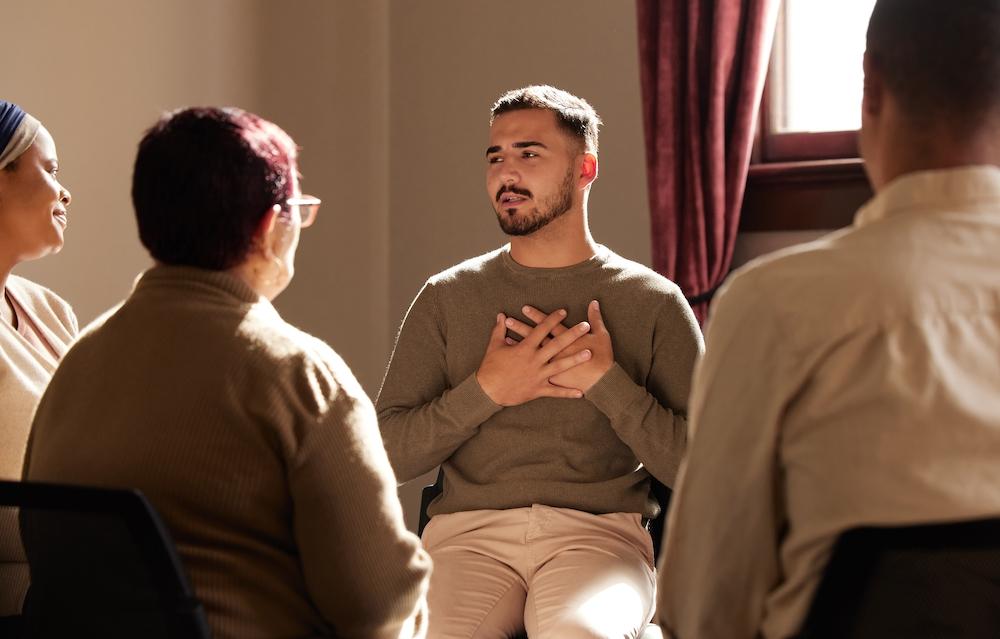
Creating safe spaces for survivors is a fundamental step in building trauma-informed communities. These safe spaces serve as havens where survivors can openly share their experiences without judgment or fear. The absence of judgment and the presence of empathy and understanding are essential for healing to take place. Trauma survivors need to feel secure, heard, and valued, and it is the responsibility of the community to provide such spaces.
Training and education for community members are crucial components of trauma-informed communities. When individuals in a community are educated about trauma and its effects, they become more equipped to support survivors. This knowledge enables them to respond with sensitivity, respect boundaries, and provide the appropriate support that trauma survivors need. By disseminating information and fostering awareness, community members can actively contribute to the healing process.
The role of organizations and institutions in promoting healing communities is significant. Schools, workplaces, and community centers can play a pivotal role in creating environments that prioritize trauma-informed care. By implementing policies and practices that support survivors and offer resources for healing, these institutions can have a lasting impact on the well-being of their members. The significance of self-care in maintaining community support should not be underestimated. Both survivors and their supporters must practice self-care to ensure the sustainability of community healing efforts. Self-care is essential for preventing burnout and ensuring that individuals can continue providing the necessary support.
A community that values and prioritizes self-care fosters a culture of resilience, enabling its members to remain committed to the ongoing healing process. Building trauma-informed communities requires a collective effort to create safe spaces, provide education, involve organizations and institutions, and prioritize self-care. Such communities serve as vital platforms for healing, offering hope, resilience, and a sense of belonging to trauma survivors on their path to recovery.
The Power of Community
The collective strength and shared experiences in such communities provide a unique avenue for healing that complements traditional therapeutic approaches. The potential for broader adoption of community-based healing is promising. As we witness the positive outcomes and resilience that community healing programs bring, there is a growing opportunity for their expansion. Encouraging more individuals and organizations to embrace these approaches can lead to a cultural shift in how we address trauma, fostering a society that prioritizes the healing power of community.
Encouraging collaboration and empathy in society is a crucial step toward creating healing communities. By recognizing the significance of shared experiences and mutual support, we can build a more compassionate and understanding society. Empathy and collaboration are the cornerstones of community healing, and promoting these values on a broader scale can lead to a more inclusive and supportive world.
Healing from trauma is not a linear journey, and communities must remain committed to providing ongoing support. The future holds promise for innovative approaches, increased awareness, and the continued growth of healing communities. Together, we can create a world where survivors of trauma find strength and solace in the embrace of their communities, demonstrating the enduring power of community in healing trauma.
About Oracle Kaia Ra
Kaia Ra is an oracle and spiritual leader with strong faith and determination who has inspired many people in their search for freedom and personal growth. She uses her own experiences to guide other truth seekers into a spiritual quest for enlightened answers and truths. She has been integral to the movement to revive the importance of Divine Feminine Christ consciousness. She is dedicated to leading a global movement for spiritual renewal and authored the book, “The Sophia Code,” creating a full curriculum and digital platform to enhance the reader’s experience.