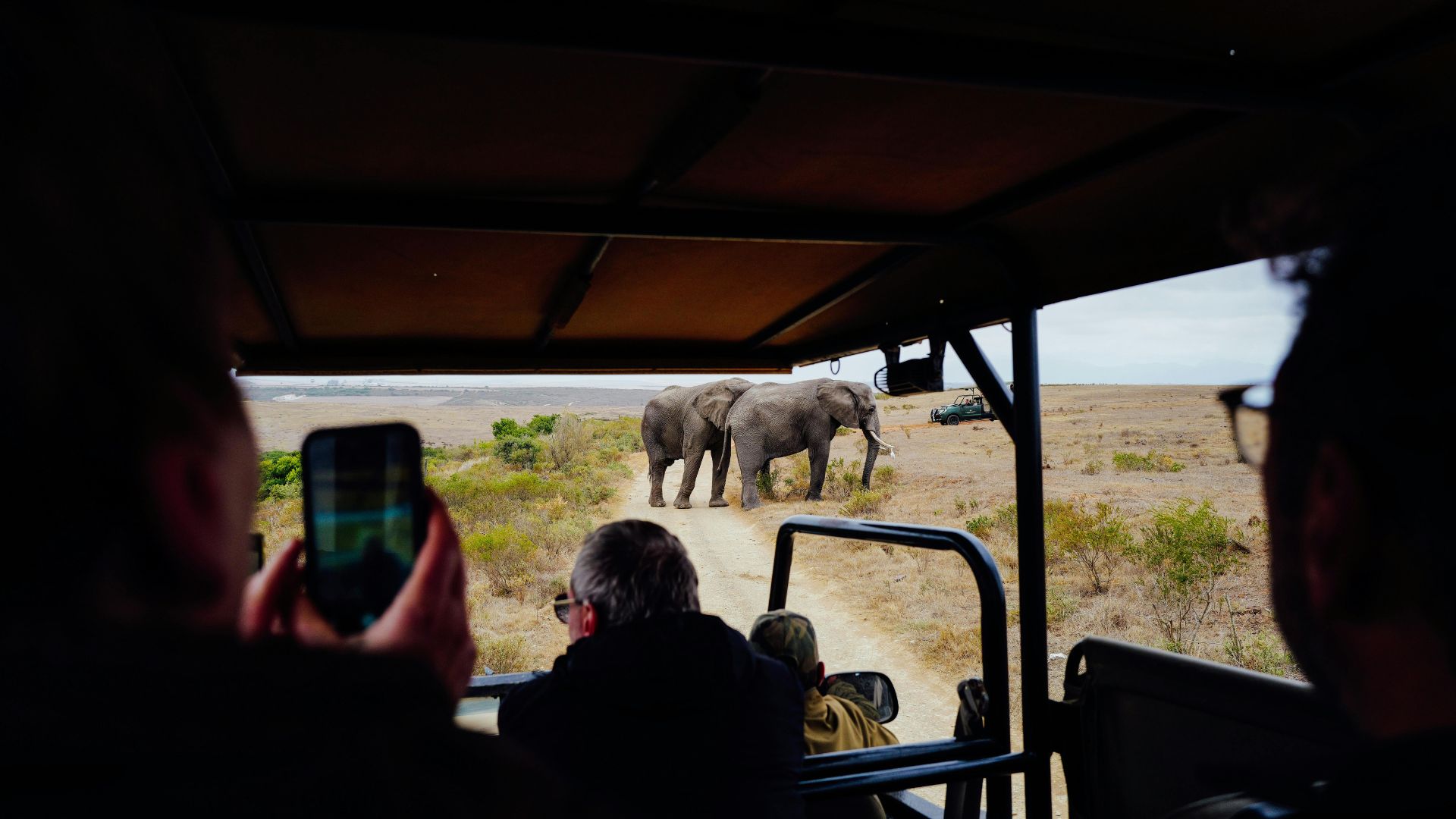
For US travelers, a luxury African safari is often a once-in-a-lifetime journey, but the experience begins long before the first game drive. Flights, time zones, layovers, arrival nights and regional transfers all shape how rested and ready you feel when you reach the bush. A beautifully designed safari should not feel like a logistical puzzle. It should feel smooth from the moment you leave home.
The key is to treat travel planning as part of the safari design, not a separate afterthought. The best itineraries consider your departure city, preferred cabin class, tolerance for long layovers, arrival time, and the rhythm of the safari itself. Frank Steenhuisen, Co-founder and lead safari expert at SAFARI FRANK, often reminds travelers that the right routing can make the difference between arriving exhausted and arriving excited.
Start With the Right Gateway City
Most US safari travelers begin by thinking about the destination: Tanzania, Kenya, Botswana, South Africa, Namibia, Rwanda or Uganda. That matters, but the first practical question is how you will enter the region. Major African gateway cities such as Johannesburg, Cape Town, Nairobi, Arusha via Kilimanjaro, Addis Ababa, Doha, Dubai and Amsterdam often play a role in long-haul safari routes from the United States.
Choosing the right gateway depends on the safari style. A South Africa safari may work well through Johannesburg or Cape Town. A Kenya safari usually flows through Nairobi. Northern Tanzania safaris often connect through Kilimanjaro or Arusha, while gorilla trekking in Rwanda typically begins in Kigali. Botswana safaris frequently require an international arrival followed by a smaller regional flight to Maun or Kasane.
For luxury travelers, the most direct route is not always the most comfortable route. A slightly longer connection with better timing, a smoother airport experience, or an overnight stop can be more valuable than shaving off one hour on paper.
Build in Recovery Time After Long-Haul Flights
US travelers often cross several time zones before reaching Africa. Depending on the destination and departure city, the time difference may be manageable or significant. East Africa is usually several hours ahead of the US East Coast and even farther ahead of the West Coast. Southern Africa can feel easier for East Coast travelers, but the long flight time still takes a toll.
Luxury safari planning should account for this. Instead of landing and immediately boarding a light aircraft to a remote lodge, many travelers benefit from one carefully placed arrival night. This can be a comfortable hotel in the gateway city, a relaxed lodge near the airport, or a short urban stay before heading into the wilderness.
This first night is not wasted time. It gives you space to shower, sleep, reset your body clock, and begin the trip calmly. It can also protect the safari from missed connections, delayed baggage, or late international arrivals. When the first bush flight leaves the next morning, you are more likely to enjoy it rather than endure it.
Plan Regional Flights With the Safari in Mind
The magic of a safari often depends on getting far from major roads and busy towns. That usually means light aircraft, lodge airstrips, boat transfers, or private road transfers. These connections are part of the adventure, but they need to be planned carefully.
Light aircraft flights may have strict luggage limits, especially for soft-sided bags. Departure times can shift according to routing, weather, daylight and lodge logistics. Remote airstrips are efficient, but they are not like large commercial airports. This is why international flight timing should be coordinated with the safari ground plan before tickets are finalized.
In many cases, a seamless safari itinerary includes:
- A sensible arrival night before the first remote camp.
- Enough time between international and regional flights.
- Soft-sided luggage suitable for light aircraft.
- Private transfers where they reduce stress or waiting time.
- A final buffer night before the long-haul flight home.
That final buffer night is especially useful. Returning from a remote lodge on the same day as an international departure can create unnecessary pressure. A well-placed night in Johannesburg, Nairobi, Kigali, Cape Town or another hub can turn the end of the journey into a relaxed transition instead of a race against the clock.
Think Carefully About Cabin Class and Layovers
Not every traveler needs business class, but long-haul comfort matters. A safari is active, sensory and full of early starts. Arriving after poor sleep, tight connections and airport stress can affect the first days of the trip. For honeymoons, milestone birthdays, family celebrations and multi-country safaris, upgrading the longest leg may be worth prioritizing over smaller extras elsewhere.
Layovers deserve the same attention. A short connection may look efficient, but it can be risky when international flights, immigration, terminal changes or baggage checks are involved. A longer layover with lounge access, a shower and a calm boarding process may be far more comfortable. For families, older travelers or groups, connection time is often one of the most important details in the entire plan.
Some travelers also choose a stopover en route. A night or two in Europe or the Middle East can break the journey from the US into more manageable sections. This can be especially helpful for West Coast travelers or families with children who want to avoid back-to-back long flights.
Match the Safari Pace to Jet Lag
Even the most luxurious camp cannot fully erase jet lag. The smartest itineraries consider energy levels. Instead of beginning with the most remote, active or expensive camp on night one, it can be better to start with a gentler lodge, a private villa, or a destination with flexible activities.
After a day or two, travelers usually settle into the safari rhythm: early wake-up calls, morning game drives, quiet midday hours, afternoon wildlife viewing and evenings under the stars. Once your body has adjusted, you can move into the most intensive part of the itinerary, whether that means tracking predators in the Serengeti, exploring the Okavango Delta by mokoro, or trekking for gorillas in Rwanda or Uganda.
For families, pacing is even more important. Children may handle time changes differently from adults, and too many transfers can make the trip feel tiring. A family safari often works best with fewer camp changes, private guiding where possible, and lodges that understand flexible mealtimes and age-appropriate activities.
Make the Journey Feel Effortless
The best luxury safaris are not defined only by spectacular lodges or rare wildlife sightings. They are defined by flow. Flights connect naturally. Transfers are expected. Arrival nights feel intentional. Time zones are considered. Luggage limits are understood before packing. Each stage of the journey supports the next.
For US travelers, this level of planning removes uncertainty and allows the safari to feel expansive rather than complicated. Africa is a long way to travel, but distance should add to the anticipation, not the stress. With thoughtful routing, realistic timing and expert coordination, the journey becomes part of the experience: a gradual transition from everyday life into wild landscapes, extraordinary wildlife and the quiet luxury of being fully present.
About Frank Steenhuisen Frank is the lead safari expert at luxury safari providers SAFARI FRANK, helping travelers experience Africa’s wildlife safely and sustainably. Learn more at SAFARI FRANK.