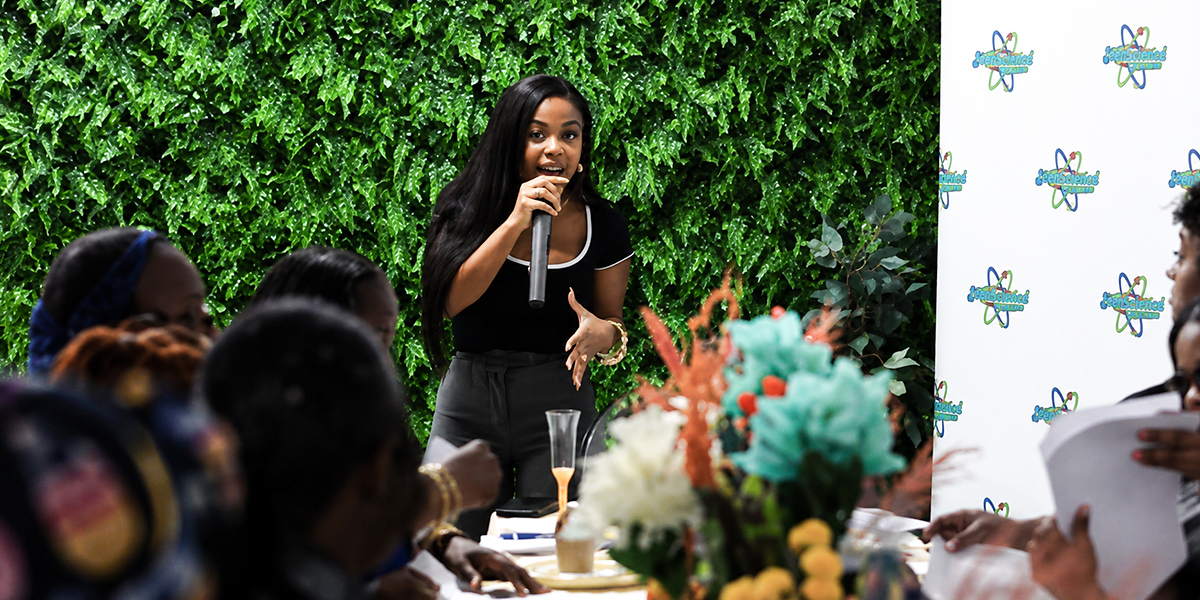
Cautney Nelson is a biochemist, entrepreneur, and STEM education advocate who is focused on making science more accessible to underserved students. She founded MillennialScnce, a nonprofit that connects young people with hands-on STEM programs, mentors, and career exposure. Nelson also created Science & Sip and leads The Drunken Laboratory, an adult science experience built around experiments, games, and social events.
Her work began with a simple observation. Many students were interested in science once they had the chance to participate. The bigger issue was access. That idea shaped MillennialScnce and still guides how Nelson approaches education, leadership, and business.
In this exclusive interview, Nelson talks about the experiences that pushed her to start MillennialScnce. She tells what students have taught her about the barriers to STEM participation. She also shares why consistent mentors matter, especially for girls and students from underrepresented communities who have lacked those opportunities. The conversation covers funding, responsible growth, and the difficult decisions behind running a nonprofit. Nelson also explains how her business ventures support the same mission. Finally, she outlines her long-term goal: stronger paths from early STEM education to internships, scholarships, mentorship, and paid careers for students across the United States.
Q1. Cautney, what personal experiences first convinced you that STEM education could become a powerful tool for changing lives? How did those moments ultimately lead you to create MillennialScnce before any of your commercial ventures?
Cautney Nelson: Honestly, it wasn’t one lightning bolt moment. It was watching kids light up over things adults had written off as too hard or not for them. Before MillennialScnce, I was a patient coordinator. I saw firsthand how a lack of access to information, resources, or someone who simply believed in you shapes a person’s entire trajectory.
When I started running after-school STEM programs for disadvantaged students, I watched kids who’d been told science wasn’t their thing become the most engaged people in the room. That told me everything. STEM wasn’t the problem. Access was. So in March 2019, I quit my job and built MillennialScnce because I refused to believe zip codes should determine who gets to see themselves as a scientist. Everything else (Science & Sip and The Drunken Laboratory) came after. The mission always came first.
Q2. MillennialScnce now serves more than 1,200 students each year, many from shelters, transitional housing, and underserved communities. After years of working directly with these young people, what have they taught you about the barriers to STEM participation that statistics alone fail to capture? Also, how has that changed the way you design programs, recruit mentors, and measure long-term success?
Cautney Nelson: Data tells you what’s happening. Kids tell you why. Statistics can’t capture the moment a student who’s bounced between three shelters in a year says, “I could actually do this someday.” That confidence doesn’t show up on a spreadsheet, but it’s the entire point.
These students don’t lack ability. They lack consistency. So we stopped running one-off workshops and started building relationships. We recruit mentors who commit to showing up, not showing off. And we measure success differently now. Not “did they finish the program,” but “do they still believe they belong here a year later.” That’s the real metric.
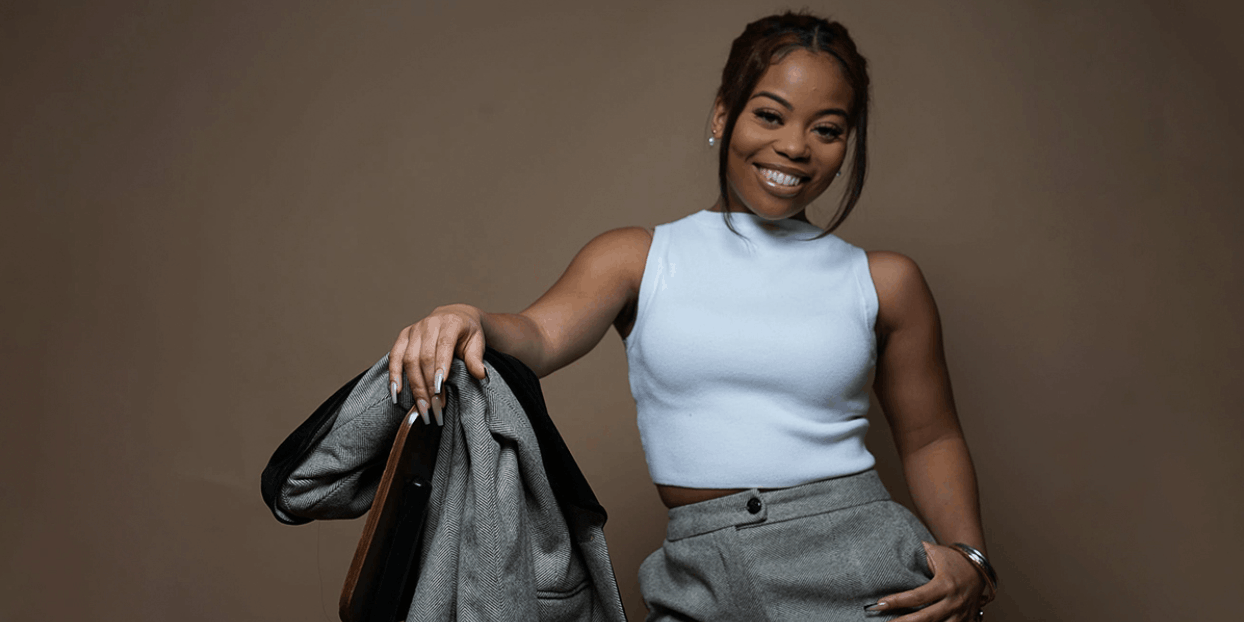
Q3. Your ventures also include The Drunken Laboratory, which makes science entertaining for adults through immersive experiences. What lessons from building a nationally recognized hospitality brand have proven surprisingly valuable in leading a nonprofit, particularly when earning the trust of schools, families, community organizations, grant partners, and corporate supporters? Conversely, what has your nonprofit taught you that has made you a stronger business leader?
Cautney Nelson: Building The Drunken Laboratory taught me trust is earned in the details. The follow-through, the consistency, how you treat people when there’s no camera on you. Schools and families aren’t handing you their kids based on a pitch deck. They’re watching to see if you actually do what you said. That hospitality instinct of reading a room and building trust transfers directly.
On the flip side, the nonprofit made me a sharper business leader. It forces you to lead with purpose first and revenue second, and that discipline stops you from chasing shiny objects. That’s why every ticket sold at The Drunken Laboratory funds the nonprofit. They’re not two ventures. They’re one mission in different outfits.
Q4. You speak about making people feel that they belong in STEM rather than simply teaching science. As conversations around educational equity continue to evolve, how do you ensure MillennialScnce creates lasting confidence instead of short-term excitement, especially for girls and students from communities that have historically been underrepresented in STEM careers?
Cautney Nelson: Excitement fades. Belonging doesn’t. Anyone can run a flashy one-day experiment and get cheers. What’s hard, and what matters, is making a kid believe this is mine too. That takes repetition, representation, and mentors who tell the truth about the struggle and the payoff.
For girls and underrepresented students, inspiration isn’t a garnish. It’s built into the curriculum. We put them in leadership roles during experiments. We celebrate wrong answers as much as right ones, because that’s where real scientists live. Confidence isn’t built by being told you’re smart. It’s built by being trusted to try, fail, and try again in a room that isn’t going anywhere.
Q5. Raising more than $250,000 in grants and corporate support is a significant milestone, but sustaining a mission-driven organization often brings challenges that receive little public attention. What have been the hardest leadership decisions you’ve faced while growing MillennialScnce? How have those moments shaped your philosophy on balancing impact, financial sustainability, and organizational growth?
Cautney Nelson: The hardest decisions have always been saying no. No to opportunities that looked good on paper but pulled us from the mission. No to growing faster than our infrastructure could hold. Nobody in my family had run a business, so I learned payroll, insurance, and compliance from scratch, in real time, while still showing up for students.
That taught me impact without sustainability is just a good story that ends too soon. I’d rather grow slower and stay standing than scale fast and collapse. Every dollar raised has to answer one question: does this deepen our impact or just widen it? If it doesn’t deepen it, I pass.
Q6. Looking ahead, what is your long-term vision for MillennialScnce over the next decade? Beyond expanding into more communities, what partnerships, innovations, or measurable outcomes would make you feel the organization has fundamentally changed how underserved children experience STEM education in the United States?
Cautney Nelson: I want MillennialScnce to be the name schools and families think of first for STEM access, not just in New York, but nationally. Real success looks like alumni coming back as mentors, corporate partners embedding us into their actual pipelines, and students who started in a shelter walking into a lab as a paid professional, not a token hire.
I want partnerships that don’t just write a check but open doors: internships, scholarships, jobs. The outcome that tells me we’ve truly changed something is when a kid from an underserved community doesn’t have to be the exception to succeed in STEM, because the door was already open when they got there.
Conclusion
Cautney Nelson’s work shows why STEM access needs more than short-term programs. Students need consistent support, strong mentors, and clear paths into future careers. Through MillennialScnce, she is focused on creating those opportunities for young people from underserved communities. Her approach also prioritizes long-term impact over rapid expansion.
Nelson’s broader work in science education and interactive experiences reflects the same goal: making science more approachable. As MillennialScnce grows, her focus remains on stronger partnerships, career exposure, and lasting student confidence. Better STEM access depends on giving students continued opportunities to learn, participate, and see a future for themselves in the field.