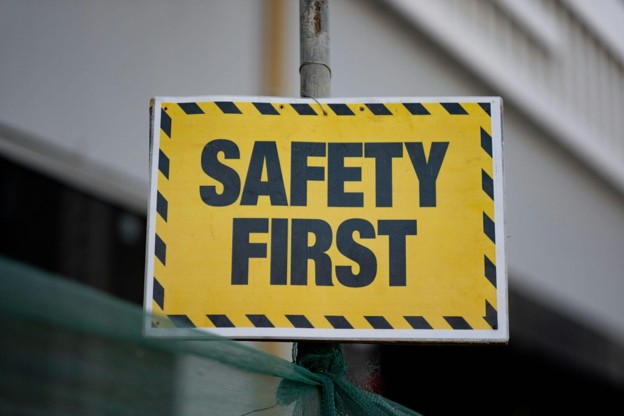
Greg Jevyak earned something in the industrial workforce that most safety professionals only dream about, a decade without a single OSHA recordable injury across the teams and sites he managed. In the petroleum and environmental industries, a ten-year record of zero recordable incidents at a former refinery/chemical plant site is the product of deliberate culture, relentless attention, and leadership that treats worker safety as a fundamental operating standard.
Workplace safety in industrial environments has grown and shifted considerably over the past thirty years. Regulatory frameworks, protective equipment standards, and hazard communication requirements have all advanced, yet recordable injuries are a persistent challenge across petrochemical, refinery, and environmental remediation sectors. Understanding how some teams and managers sustain exceptional safety records while others struggle offers lessons that surpass any single industry.
What an OSHA Recordable Injury Actually Means
Before examining what prevents recordable injuries, it helps to understand what the designation actually covers. OSHA defines a recordable injury as any work-related illness or injury that results in days away from work, restricted duty, job transfer, medical treatment beyond first aid, loss of consciousness, or a significant injury diagnosed by a licensed healthcare professional (https://www.osha.gov/laws-regs/regulations/standardnumber/1904/1904.7). Examples include a deep laceration requiring sutures, a musculoskeletal strain requiring physical therapy, or a chemical exposure requiring prescription medication all qualify.
In high-hazard industries like petroleum processing and environmental remediation, the potential for recordable events exists in ordinary daily tasks. That reality makes a decade-long zero-recordable record all the more significant. Zero-recordable results should coexist with robust reporting of near-misses and minor incidents, as this transparency ensures the metric is treated as one component of a larger, comprehensive safety strategy.
Building a Safety Culture from the Ground Up
The most durable safety records are built on culture, and safety culture refers to the shared values, beliefs, and behaviors within an organization that determine how workers actually think about and respond to hazards.
In organizations where safety culture is strong, employees at every level feel empowered to raise concerns, stop work when conditions seem unsafe, and participate in identifying risks before those risks cause harm. Jevyak, who managed environmental and petroleum industry teams across multiple sites throughout his career, sees that safety culture must be actively built, never assumed.
“You can put every procedure in place and still have a poor safety record if people don’t believe the procedures are there to protect them,” he says. “Culture is what happens when no one is watching. It’s the conversation workers have with each other before a job starts.”
New employees often arrive with habits shaped by previous workplaces. Integrating them into a zero-incident culture requires consistent reinforcement from supervisors who model safe behavior and a management structure that responds to safety concerns with action as opposed to dismissal. Jevyak treated that reinforcement as a continuous process, never a completed training event.
Hazard Identification as a Daily Practice
Most industrial incidents do not announce themselves in advance but instead develop from the accumulation of small, overlooked conditions like a worn fitting or a wet floor near heavy equipment. Preventing recordable injuries requires catching those conditions before they intersect with human activity in harmful ways.
Hazard identification programs, job hazard analyses, and pre-task safety briefings are standard tools in high-performing safety programs. What distinguishes exceptional safety records is the consistency and seriousness with which these tools are applied.
“The fastest way to slow a project down is to rush past a hazard and end up with an injury,” Jevyak notes. “Taking five minutes to walk a work area before starting has prevented more incidents than any training video I’ve ever seen.”
Environmental remediation sites present a particularly dynamic hazard environment, where conditions shift as excavation and cleanup progress. What was safe at the start of a work week can change significantly by mid-project, and safety protocols must be updated accordingly.
Leadership’s Role in Zero-Incident Workplaces
Sustained zero-injury records are inseparable from leadership, so managers who prioritize schedule over safety create environments where workers feel pressure to take shortcuts. The inverse is equally true. Managers who consistently demonstrate that safety will not be compromised, regardless of project timelines or client expectations, shape behavior across an entire team.
“Safety has to come from the top, but it also has to be owned at every level. When a crew leader stops a job because conditions are not right, and management backs that decision without hesitation, you build trust. And trust is what makes a safety program real rather than just a set of posters on a wall,” says Jevyak.
Leadership also shapes how near-misses are handled. In organizations with strong safety cultures, near-misses are treated as valuable data instead of embarrassing failures. Workers who report near-misses without fear of blame help identify systemic vulnerabilities before those vulnerabilities cause harm. High safety performers typically track and analyze near-misses with the same rigor applied to actual incidents.
The Long Game: Sustaining a Record Over Time
Reaching a one-year zero-recordable milestone is meaningful. Sustaining that record for a decade requires something harder: actively preventing complacency. Long stretches without incidents can paradoxically create risk. Teams begin to assume that familiar tasks are safe simply because they have been performed without incident before.
Equipment gets inspected less carefully. Procedures that once felt essential start to feel ceremonial. Experienced safety leaders guard against complacency by keeping engagement active and varied. Refreshing hazard identification exercises, rotating safety responsibilities among team members, and revisiting near-miss records from previous years all help sustain the vigilance that zero-incident records demand.
Jevyak’s decade-long record is an example of what becomes possible when every element of a safety program operates as designed and when leadership refuses to treat safety as a background concern.
The industries where he built that record present genuine, daily hazards, and maintaining an exceptional record within them demonstrates that such hazards are manageable with the right combination of culture, discipline, and sustained commitment. Zero recordable injuries is an outcome built deliberately, maintained actively, and defended against the creeping assumption that a clean past guarantees a safe future.
Greg Jevyak is a retired management professional with more than 30 years of experience in the petroleum and environmental industries. Specializing in refinery closure, demolition, and environmental cleanup, he held roles including environmental business manager, site manager, and project engineer, and earned recognition from both the Illinois EPA and the U.S. EPA.
Disclaimer: The views and opinions expressed in this article are those of the contributor based on personal professional experience and are intended for informational purposes only. They do not constitute legal, environmental, or regulatory advice.