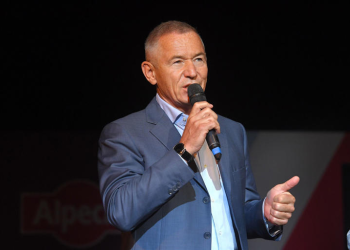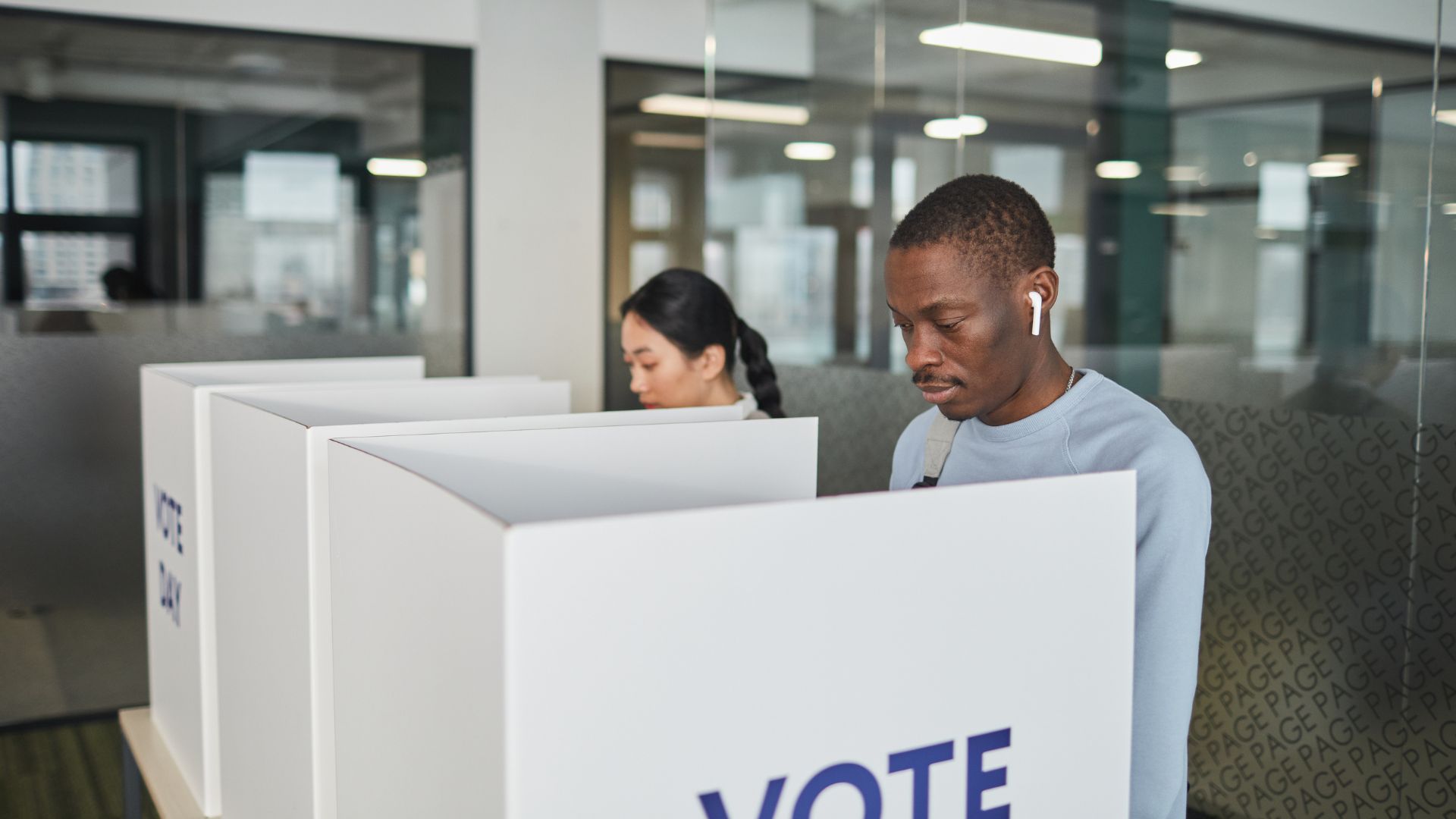
As midterm elections approach in November, market volatility tends to dominate headlines and investor anxiety alike. However, according to Jeffrey Fratarcangeli, founder and CEO of Fratarcangeli Wealth Management, the instinct to pause, freeze or wait out the noise is exactly the wrong move.
“When it comes to long-term wealth management, market volatility is actually our friend,” Fratarcangeli said.
Below are four insights Fratarcangeli shared on how disciplined investors and business owners can approach election-year volatility to come out on top.
Overreactions create entry points for long-term investors
Fratarcangeli says election-year market swings are often driven by emotion rather than the market’s underlying strength, creating openings for investors who stay consistent.
“Ultimately, we see these market fluctuations as opportunities for our clients to invest long-term money in an overreaction scenario,” he said. “Overreactions are very common in markets in general, but even more so in election years.”
Fratarcangeli Wealth Management leans on dollar-cost averaging and discretionary income to act on that volatility as it happens. When clients do not have discretionary money on hand, his team plans ahead.
“If a client will not have discretionary income at the critical moment in time, we raise cash at the end of the previous year, the beginning of the next year or periodically through the year when we hit highs,” Fratarcangeli explained. “So we organically create the discretionary cash, or we have it already pre-planned.”
Rebalancing, not panic-selling, is the real strategy at market lows
While Fratarcangeli Wealth Management uses tax-harvesting strategies through specialized third parties, Fratarcangeli says the more consistent discipline during market lows is rebalancing portfolios by trimming positions that have grown too large during peaks, and buying more during valleys.
“I wouldn’t necessarily be looking at taking profits at the point of a market pullback, unless I thought it was going to get worse,” he added.
He noted that his firm is cautious about selling appreciated positions purely to capture tax benefits during a downturn, calling that approach “less likely used” than staying disciplined with rebalancing.
Contrarian behavior separates disciplined investors from reactive ones
Fratarcangeli attributes emotion as the reason why most individual investors underperform the market during volatile stretches.
“Businesses and individuals could be at risk of averaging half of what the market historically has averaged if they act on their emotions,” he said. “That could look like buying when they should be selling, or selling when they should be buying, out of fear and greed.”
His approach runs counter to that instinct entirely.
“When there’s blood in the streets, as Warren Buffett says, that is when we run into the streets to make smart purchases,” he said. “So in essence, we play ‘opposite day’.”
Business owners face a different version of the same mistake
For business owners, Fratarcangeli says election-year hesitation often shows up as delayed real estate purchases or paused discretionary spending among their own customers.
“When I speak to these clients, I point out the fact that these market fluctuations are normal,” he said. “I counsel them not to think that this is a long-term trend.”
He also encourages business owners to treat market lulls as a negotiating advantage rather than a reason to retreat.
“In fact, they may find that they have better opportunities than they will post-election season,” he remarked.
Looking at the broader four-year cycle, the biggest mistake Fratarcangeli sees is investors pausing or selling during the more volatile stretch of a presidential term, rather than staying engaged.
“What separates investors who benefit from volatility from those who get hurt by it? Being reactionary versus being proactive. Expecting the unexpected.”
For more insight from Jeffrey Fratarcangeli, visit www.fratarcangeliwealth.com.