Electric outboard motors are transforming the boating industry with their silent performance, zero emissions, and minimal maintenance. Whether you own a fishing boat, sailboat, or leisure craft, switching to an electric setup can make your time on the water smoother and more sustainable. However, choosing the right motor involves more than just picking the most powerful option. It’s about finding the perfect balance between power, range, weight, and efficiency for your specific boat.
1. Match the Motor Power to Your Boat Size
The first step is to identify how much power your boat actually needs. Electric outboard motors are rated in kilowatts (kW) rather than horsepower, though the two can be roughly compared (1 kW ≈ 1.34 HP).
- Small boats, dinghies, and kayaks: 1-3 kW motors are usually sufficient.
- Medium-sized fishing or cruising boats: 4-10 kW provides balanced speed and control.
- Large vessels and commercial craft: 15 kW and above deliver the necessary thrust for heavier loads and rougher waters.
According to BoatUS, a motor that’s underpowered will struggle against wind and currents, while one that’s overpowered can drain your battery faster without offering significant performance gains. Aim for efficiency – not just raw strength.
2. Consider Battery Capacity and Range
Your battery system defines how long you can stay on the water. Electric motors draw power continuously, so both battery voltage (V) and amp-hours (Ah) matter. Multiply the two to calculate total energy (watt-hours or Wh).
- A 48 V, 100 Ah battery provides 4,800 Wh (or 4.8 kWh) of usable power.
- A motor that consumes 2 kW per hour can therefore run for about 2.4 hours on that setup.
For casual cruising or short trips, that’s often enough. But if you plan to spend the day exploring, consider adding extra batteries or choosing a model with energy-efficient propeller design.
Modern lithium-ion batteries, featured in many Scott Electric and ePropulsion systems, offer superior energy density, faster charging, and a longer lifespan than traditional lead-acid batteries. Some even integrate smart displays showing real-time range and power consumption, a feature highlighted in recent reviews on Boating Magazine.
3. Focus on Efficiency and Speed
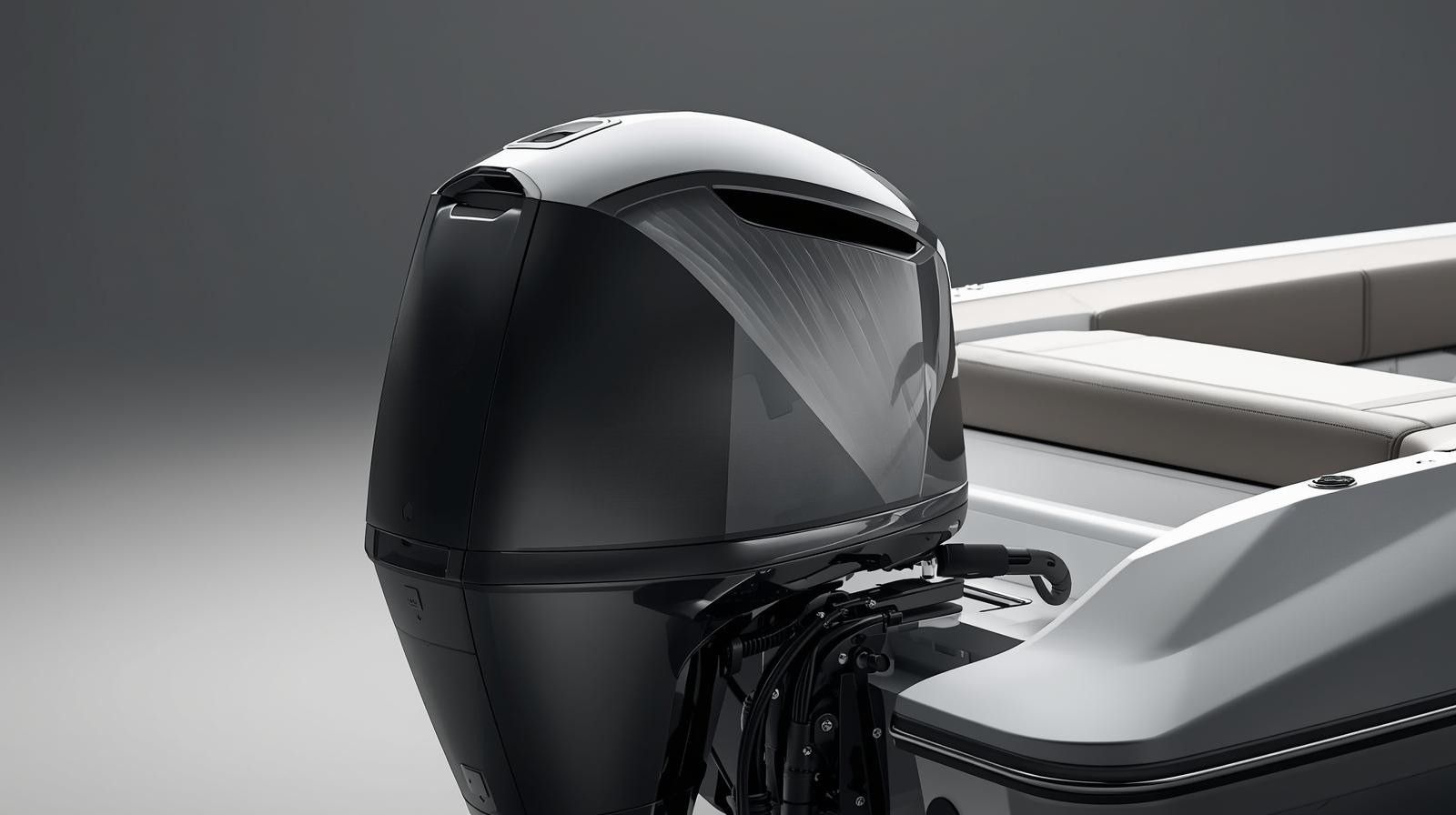
Electric motors deliver instant torque, which means you get smooth acceleration from a standstill – ideal for anglers or leisure cruisers. But efficiency varies depending on how well your propeller and motor are matched to your hull.
If your boating routine involves calm inland lakes, prioritize energy efficiency and longer run-time over top speed. Conversely, coastal or tidal use demands a stronger motor capable of sustaining higher thrust.
Many modern outboards, including those from Scott, are designed with brushless direct-drive systems that eliminate gear friction, improving both speed and battery life. Some high-end models even feature regenerative charging – recharging the battery slightly when you slow down or sail with the current.
4. Check Mounting Compatibility and Weight
Before purchasing, confirm the motor’s shaft length suits your transom depth. If it’s too short, the propeller may ventilate (draw in air) and lose thrust; if too long, it adds unnecessary drag.
Lightweight motors are easier to lift and remove between trips, which is useful for small boats or inflatable crafts. For example, a 3 kW motor typically weighs under 25 kg, making it portable yet powerful.
You should also ensure the mounting bracket design matches your existing setup. Some brands offer adjustable tilt and trim options, which help in shallow waters or when beach-launching.
5. Evaluate Maintenance and Durability
One of the greatest advantages of electric propulsion is how little maintenance it requires. There’s no oil, spark plugs, or fuel filters to change – only routine cleaning and occasional propeller checks.
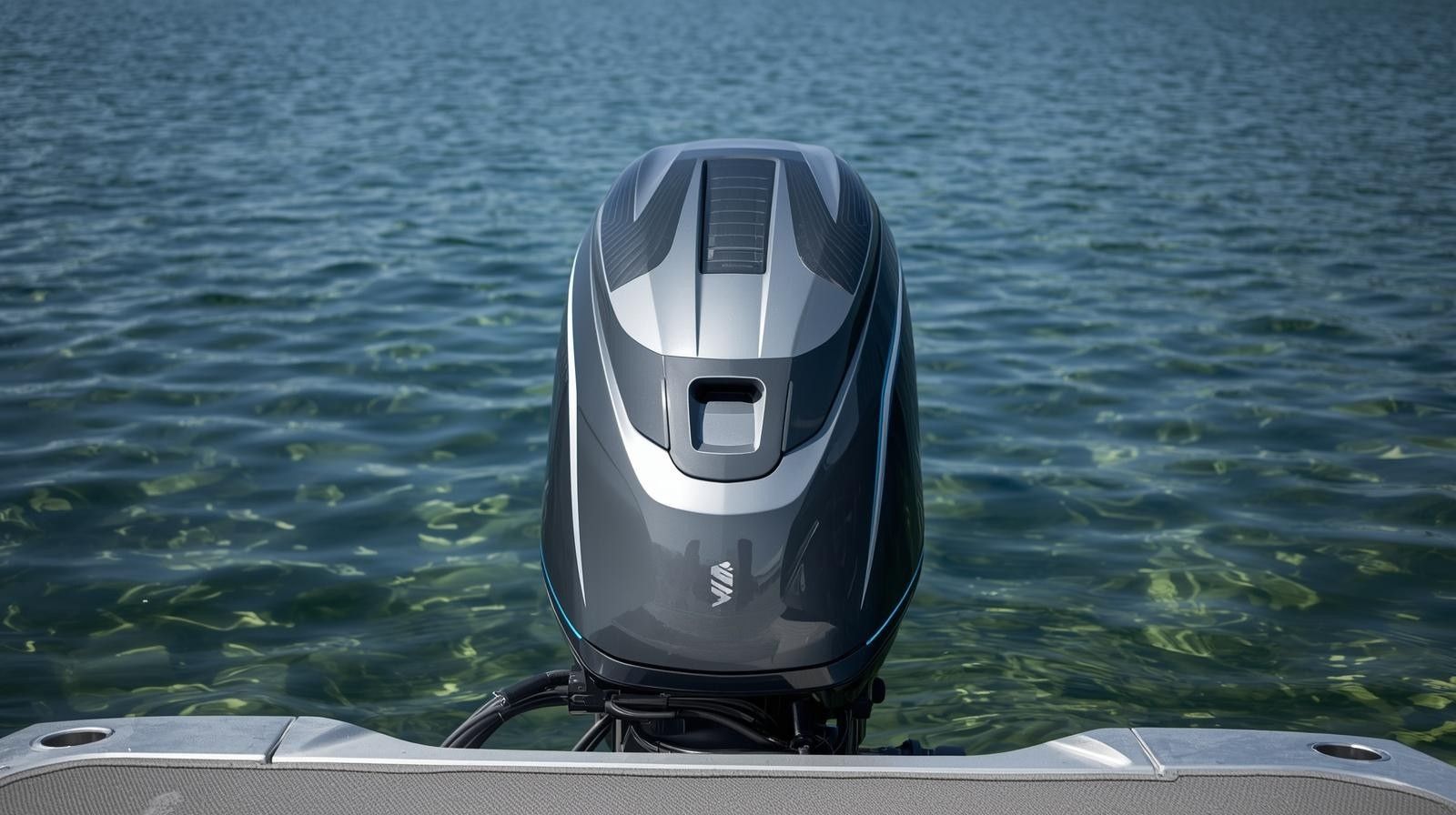
Still, durability matters. If you often boat in saltwater, look for motors with marine-grade aluminum or stainless-steel components and sealed electronics to prevent corrosion.
Scott Electric Outboards, for instance, design their casings with anti-corrosion coatings and IP-rated waterproofing. Regular rinsing after use and applying a corrosion inhibitor can further extend motor life.
6. Think About After-Sales Support and Warranty
Electric technology is still evolving, and good customer support can make a big difference in the long run. Before you buy, check whether your brand offers local servicing, spare parts availability, or remote diagnostics.
Scott Electric Outboards provides detailed installation guidance and technical support, ensuring users get the most from their systems. Other reputable manufacturers like Torqeedo and Elco also maintain global service networks.
A solid warranty (at least two years) indicates confidence in product quality – an essential factor when investing in high-end marine equipment.
7. Compare Costs and Long-Term Savings
While electric outboards can cost more upfront than gasoline models, they make up for it with lower operating expenses. You’ll save on fuel, maintenance, and storage costs over time.
National Marine Manufacturers Association data shows that electric boats are gaining popularity not only for their eco-benefits but also because of their long-term affordability. Running costs per hour can be as low as 10-15 % of what a traditional petrol outboard consumes.
Moreover, government incentives in several countries now support electric boating, further reducing the total cost of ownership.
The Bottom Line
Choosing the right electric outboard motor for your boat is about finding harmony between power, range, weight, and purpose. Begin by assessing your boat’s size and how you use it – calm cruising, fishing, or long-distance travel. From there, consider battery capacity, efficiency, and brand reliability.
As sustainable technology continues to advance, electric boating isn’t just a trend – it’s the future. And with trusted names leading the charge, it’s easier than ever to make the switch to clean, quiet, and efficient propulsion.