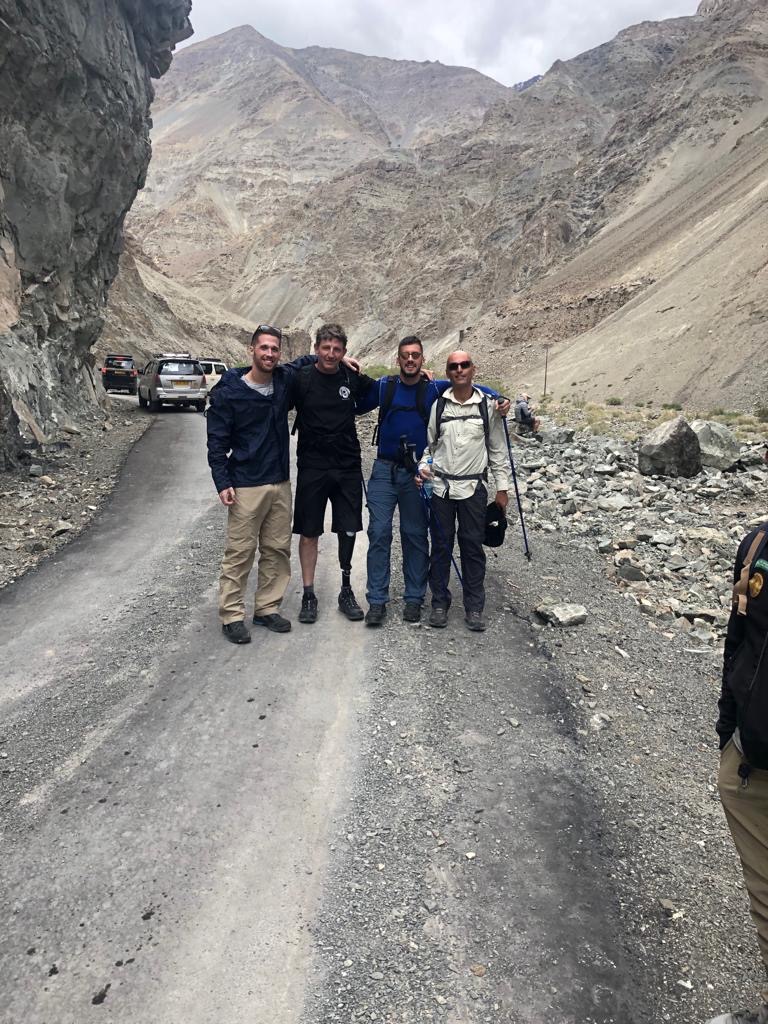
When Rami Beracha embarked on a remarkable journey to the Himalayas, he took on a challenging role that blended leadership and mentorship. Known for his resilience and dedication, he joined a program designed to support young Israeli army veterans who had faced significant challenges after service.
This initiative provided a unique opportunity for participants to engage in a transformative experience far beyond the ordinary. But for Rami, the journey to the Himalayas represented more than a personal adventure. It reflected his commitment to guiding wounded soldiers toward resilience and recovery.
As a veteran who had sustained life-altering injuries during his service in the Israel Defense Forces, Rami brought experience and empathy together in his role as a mentor for young army veterans on rehabilitative “release trips.” Organized by the Friends Association of the IDF Disabled Veterans Organization, these expeditions offered soldiers the chance to reclaim independence and confidence through the challenges of high-altitude trekking.
Finding Strength Amid the Peaks: Leading by Example
The Himalayas presented formidable obstacles for the group, demanding physical endurance, mental focus, and trust in one another. Rami’s presence provided a steady example. Having lost his right hand and left foot in a minefield during his service, he navigated the same terrain with remarkable adaptability and determination.
Rami’s leadership was rooted in lived experience, showing participants that severe injuries did not define one’s limits or potential. By guiding these young veterans, he illustrated resilience as a tangible, achievable goal rather than merely an abstract concept.
A Mentor’s Role in Rehabilitation
Beyond the physical challenges, the trip served as a platform for psychological recovery. Rami’s mentorship emphasized camaraderie, mutual support, and the importance of goal-setting.
Through their mentor’s encouragement, participants confronted their fears, tackled treacherous trails, and celebrated personal milestones. The journey mirrored the transition from military service to civilian life, highlighting self-reliance and adaptability. Rami’s role underscored the value of shared experience in fostering both courage and hope among soldiers coping with trauma.
Inspiring Confidence Through Achievement
Rami’s personal achievements—climbing Mount Kilimanjaro, mastering kitesurfing, and excelling in extreme sports despite prosthetic limbs—reinforced the transformative power of perseverance. These accomplishments resonated with the veterans he mentored, demonstrating that physical limitations could be navigated with creativity and dedication.
For Rami and the group, each summit reached and challenge overcome during the Himalayan trek reinforced the broader message that recovery was possible. These brave veterans proved beyond doubt that success was not bound by physical constraints.
Building Lifelong Bonds
The trek also fostered enduring connections among participants. Shared hardship and accomplishment forged strong bonds that extended beyond the mountains into their everyday lives.
During the trip, Rami facilitated discussions about coping strategies, resilience, and the application of lessons learned on the trail to challenges at home and in the workforce. His approach balanced inspiration with practical guidance, creating a supportive environment in which each veteran could thrive.
The Journey Forward
Rami Beracha’s mentorship on this Himalayan expedition demonstrated the profound impact of leading by example. His combination of personal courage, professional achievement, and dedication to supporting injured soldiers offered a model of resilience and empowerment. By showing that even the most daunting obstacles could be met with determination, Rami encouraged these young veterans to embrace new challenges with confidence and hope, reaffirming the value of mentorship in the journey toward recovery.