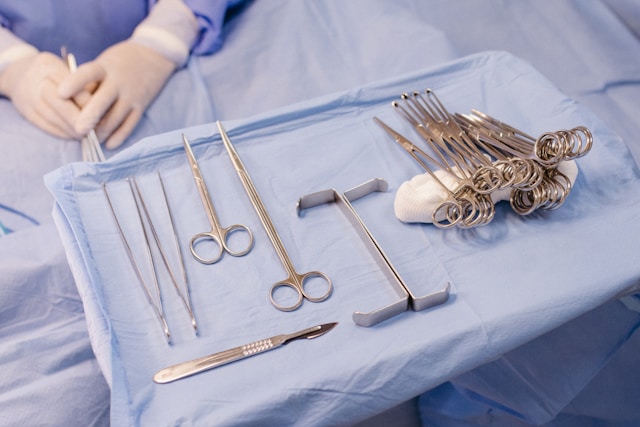
The spine is involved in nearly every movement, and surgery is often the best solution when it is injured or compromised. However, spinal surgery is a high-stakes procedure that carries inherent risks. That’s why patient safety should always be the top priority. Dr. Brent Felix, an orthopedic surgeon, understands the importance of minimizing these risks. Brent’s approach to reducing risk in spine surgery involves using minimally invasive techniques, and pre-surgery and post-surgery planning.
Minimally Invasive Techniques
Using minimally invasive techniques can improve patient safety in spine surgery. Traditional open spine surgeries involve large incisions that can damage surrounding muscles, tissues, and nerves, leading to longer recovery times and higher risks of complications. In contrast, minimally invasive procedures use smaller incisions, which result in less tissue disruption, reduced blood loss, and quicker recovery times.
Dr. Felix has adopted minimally invasive spine surgery (MISS) in his practice. These procedures allow him to treat spinal conditions with fewer patient risks. For example, smaller incisions lead to less pain, faster recovery, and decreased infection risk.
Also, minimally invasive procedures use advanced imaging tools, such as intraoperative navigation systems, to guide the surgeon with greater precision. These systems guide Dr. Felix through the spine in real time, ensuring that every surgery step is accurate.
Patient Evaluation and Pre-Surgery Planning
Dr. Brent Felix understands the importance of assessing each patient before surgery. This involves reviewing the patient’s medical history, health status, and spinal condition. By taking a personalized approach to pre-surgery planning, Dr. Felix ensures that all potential risks are identified and mitigated. He collaborates with other medical professionals, such as cardiologists and anesthesiologists, to address any underlying conditions that may affect the surgery. This teamwork helps to reduce complications and ensures that every aspect of the patient’s care is managed effectively.
Communication with the patient is also a key part of the process. Dr. Felix ensures that patients fully understand the procedure, its risks, and what they can expect during recovery. By educating his patients and involving them in decision-making, he puts them in charge of their care.
Post-Surgery Monitoring
The recovery phase following spine surgery is as important as the surgery itself. While the immediate goal of the procedure is to address the spinal condition, Dr. Felix knows that long-term success depends on the patient’s recovery process. Post-surgery care involves closely monitoring the patient’s condition, managing pain, and preventing complications such as infection or blood clots.
Dr. Felix takes a proactive role in overseeing his patients’ recovery. He works closely with a team of healthcare providers, including nurses, physical therapists, and rehabilitation specialists, to ensure the patient’s healing process is carefully managed. By maintaining close contact with the patient throughout the recovery period, Dr. Felix can identify and address any issues early on, reducing the risk of complications.
Prioritizing Safety in Spine Surgery with Dr. Brent Felix
Spine surgery carries significant risks, but Dr. Brent Felix‘s approach minimizes these dangers at every stage. By focusing on minimally invasive techniques, advanced imaging tools, and thorough pre-surgery evaluations, he ensures that surgeries are precise and recovery times are shorter. Dr. Felix also emphasizes the importance of careful post-surgery monitoring to spot potential complications early. His focus on patient safety and hands-on approach throughout the process help provide the best possible outcomes.