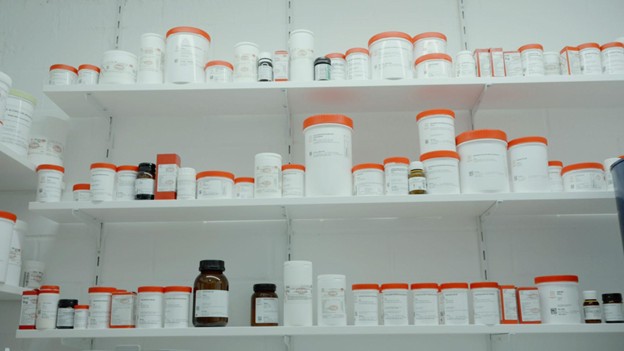
The global pharmaceutical industry has witnessed dramatic shifts in recent decades. Among these changes, one of the most significant has been the rising dependence on China for essential components in drug manufacturing. This reliance has raised questions about the resilience and security of pharmaceutical supply chains.
While China offers cost advantages and manufacturing expertise, this growing dependence also comes with potential risks and challenges for the sector. Jay Bhaumik, CEO of Texas Star Pharmacy, lends his expertise to exploring today’s pharmaceutical supply chain and its global implications.
How China Became a Pillar of Pharmaceutical Manufacturing
China’s role in pharmaceutical production did not develop overnight. Over the past 30 years, the country has steadily positioned itself as a global hub for Active Pharmaceutical Ingredients (APIs), the raw materials used to create finished drugs. Much of this transformation can be attributed to its ability to produce at scale while maintaining low costs.
Economic policies favoring development in industrial sectors helped China build vast, high-capacity factories that could deliver APIs at competitive prices. In addition, environmental regulations in Western countries prompted many pharmaceutical companies to outsource API production to regions with lenient regulatory frameworks.
Over time, these factors created a near-monopoly in some critical supplies. By some estimates, China now produces a significant percentage of global APIs for antibiotics, analgesics, and vitamins. Pharmaceutical companies worldwide rely heavily on these imports to maintain steady production, making China a dominant link in the supply chain.
“Pharmaceutical companies are under constant pressure to minimize costs while meeting patient needs,” says Jay Bhaumik. “Outsourcing manufacturing to China aligns with this priority. Many products require high-volume production, and facilities in China are ideally equipped to deliver in these quantities without driving up manufacturing expenses.”
China’s access to essential raw materials and its established manufacturing infrastructure give it a distinct advantage. Coupled with a highly skilled workforce, these resources allow for quick and efficient scaling of operations. For multinational drug producers, working with Chinese suppliers often represents significant cost savings when compared to domestic production.
Chinese manufacturers have successfully maintained quality standards in many cases. Through stringent compliance with Good Manufacturing Practices (GMP), companies in the region supply products that meet global regulatory requirements. This convergence of affordability and quality has made sourcing from China an attractive proposition.
Geopolitics and Risks of Overdependence on Supply Chain Security
While the efficiencies gained by China’s pharmaceutical sector are undeniable, relying too heavily on a single region exposes the industry to considerable vulnerabilities. Recent events, including the global pandemic, have highlighted the fragility of supply chains.
Notes Bhaumik, “A sudden disruption in production or export capabilities could create severe shortages of life-saving drugs.”
Geopolitical tensions also point to the risks involved. Trade restrictions, sanctions, or political conflicts could directly affect the flow of essential pharmaceutical components. These uncertainties present significant challenges for drug manufacturers, regulators, and healthcare providers.
Environmental and labor considerations further complicate the issue. Critics argue that the relaxed enforcement of environmental laws in some industrial zones has led to pollution and unsafe working conditions. Over time, these factors could potentially hinder China’s pharmaceutical output, creating unexpected constraints on supply chains.
The link between geopolitics and healthcare supply chains has become clearer in recent years. As tensions between China and other major economies escalate, conversations around supply chain decentralization have gained traction. Policymakers in the United States, Europe, and elsewhere are increasingly advocating for reduced dependency on China for APIs and other pharmaceutical components.
These calls have led to efforts to build domestic pharmaceutical manufacturing capacity in many regions. Governments are exploring initiatives to incentivize local production through subsidies and grants. While such measures aim to reduce risks, they also face barriers, including the higher costs associated with domestic manufacturing compared to outsourced production in China.
Building a More Resilient Pharmaceutical Supply Chain
In light of ongoing risks, there is a growing consensus about the need for a more diversified and resilient pharmaceutical supply chain. Diversification means sourcing APIs and other essentials from multiple regions rather than relying predominantly on one country.
India, a major competitor to China in API production, could play a decisive role in these efforts. Indian manufacturers already have extensive experience in exporting generic drugs and APIs worldwide. However, even India depends on China for raw materials, underscoring the complexity of supply chain interdependence.
Advances in technology may also transform the way drugs are manufactured. Continuous manufacturing methods, for instance, allow for smaller production facilities that are less capital-intensive. These techniques could make it easier for companies to localize manufacturing while retaining scalability.
Collaboration between governments, pharmaceutical companies, and international organizations will be key in addressing supply chain vulnerabilities. Establishing clearer regulatory guidelines for diverse sourcing and providing financial incentives for companies to invest in domestic capabilities could mitigate existing risks.
Balancing Cost and Security
Reducing reliance on China comes with trade-offs. Manufacturing APIs domestically is more expensive but also unlikely to match the scale and efficiency achieved in China without significant time and investment. As a result, companies face a balancing act between ensuring supply chain security and managing financial pressures.
“Consumers and healthcare systems will likely bear some of the costs associated with a less efficient supply chain,” says Bhaumik.
Policymakers and industry leaders must weigh these considerations against the long-term risks of concentration in one country. The lessons learned from past disruptions suggest that resilience, even if costly, is an essential investment for the future.
China’s pharmaceutical manufacturing capabilities remain unmatched in scope and efficiency, making it an indispensable partner for the global pharmaceutical industry. However, the growing reliance on a single region exposes significant vulnerabilities in the supply chain. Global events and geopolitical tensions have revealed the risks of overdependence, prompting calls for diversification and resilience.
While reducing reliance on China is easier said than done, pursuing a more balanced and secure supply chain will be vital to safeguarding public health. By investing in innovative technologies, strengthening domestic production capabilities, and fostering international collaboration, the pharmaceutical industry can build a future that is both cost-effective and reliable. Decisions made today will shape the industry’s ability to navigate tomorrow’s challenges, ensuring the uninterrupted delivery of life-saving medicines to patients worldwide.