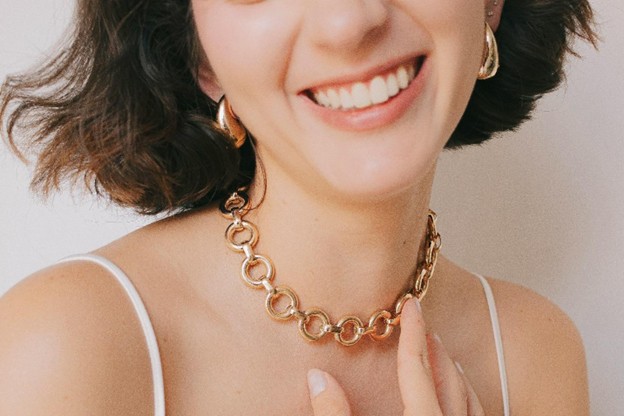
A piece of jewelry can speak volumes without saying a word. Finding the perfect accessory means discovering a style that feels uniquely personal. Signature jewelry reflects individuality, highlighting personality and taste in a way no other accessory can. Jeremy Millul, the founder of elite jeweler Jeremy Millul Inc., explores how, by understanding preferences and lifestyle, clients can connect with designs that feel authentically theirs.
The Role of Jewelry in Self-Expression
Jewelry acts as an extension of personality, offering a glimpse into character and taste. A bold statement necklace might suggest confidence and creativity, while a delicate bracelet could indicate an understated, thoughtful approach to style. Signature pieces become synonymous with the individual because they are chosen with meaning.
“Unlike mass-produced items that appeal to broad audiences, signature jewelry feels personal and intentional,” says Jeremy Millul. “Consistency in personal style strengthens identity. For those with a defined aesthetic, such as minimalism or bohemian elegance, signature pieces create a recognizable look.”
Jewelry often carries deep emotional weight. A signature piece isn’t usually chosen at random; it holds a story or evokes a feeling. This emotional connection explains why people remain fiercely loyal to their signature items. Jewelry with meaning has a unique way of strengthening confidence.
When wearing an item that symbolizes love, success, or a valued memory, people feel anchored, as though they’re carrying a piece of their identity into the world. Helping clients discover their signature jewelry style begins with understanding their values and preferences.
Notes Millul, “The goal is to guide them toward pieces that resonate with their individuality while offering designs they can treasure for years.”
Achieving this balance involves recognizing personal tastes, blending inspiration with practicality, and considering custom versus ready-made options.
Identifying a client’s style starts with exploring their favorite colors, materials, and aesthetics. Some gravitate toward warm-toned metals like gold, while others prefer the understated elegance of silver. Similarly, gemstones can carry specific appeal based on symbolic meaning or visual allure. Observing reactions to different pieces helps guide clients toward jewelry that feels like a natural extension of their identity.
Exploring Inspiration and Trends
While personal style is central, exploring outside inspiration can refine a client’s preferences. Fashion influences, social media, and celebrity endorsements often introduce new ideas, but trends should be approached with caution. Signature styles endure, whereas trends can fade quickly.
The goal is to strike a balance, incorporating elements of current designs while maintaining timeless appeal. For example, layered necklaces or stackable rings might be trending, but their versatility ensures staying power in a collection. Similarly, geometric shapes or mixed metals feel modern without becoming tied to a specific moment in time.
Recognizing what excites a client about a trend can reveal deeper preferences. Do they love the drama of oversized earrings or the subtle texture of hammered metals? These details inform choices that resonate both now and in the future. Signature jewelry should reflect individuality, not a passing fashion movement.
“When helping clients discover their signature jewelry style, versatility and quality ensure their selections are both meaningful and practical,” says Millul.
Jewelry should align with individuality while adapting to lifestyle and standing the test of time. Two crucial factors in achieving this balance are craftsmanship and the ability to mix statement pieces with everyday options. Investing in well-crafted jewelry is a commitment to durability and timelessness.
Poorly made pieces may initially look appealing, but they often tarnish or break quickly. Quality craftsmanship ensures the item remains as beautiful and functional years later as the day it was purchased. This reliability allows jewelry to hold its sentimental value and continue to tell the wearer’s story.
Fine materials contribute to longevity. Solid gold or platinum resists wear better than plated metals, while well-cut stones maintain brilliance longer. When advising clients, it’s important to consider their priorities for longevity. An heirloom-quality bracelet might appeal to those valuing tradition, while others may prioritize resilient designs for everyday wear.
Balancing Function and Statement Pieces
Jewelry can be as practical as it is beautiful when chosen with versatility in mind. While bold, eye-catching designs make a statement, they should also work across different outfits and occasions. Signature pieces should strike a balance between attraction and adaptability, allowing clients to wear them from casual settings to formal events.
A well-rounded jewelry collection often starts with versatile staples, items that pair effortlessly with a variety of looks, such as a sleek gold cuff, simple diamond studs, or a minimalist pendant necklace. Once the basics are in place, clients can explore more dramatic options, like cocktail rings or sculptural earrings. When chosen carefully, these statement pieces complement rather than overpower everyday attire.
A signature jewelry style thrives on versatility. A great piece works just as well with a tailored blazer as it does with a favorite sweater. Helping clients identify items that transition seamlessly between casual and formal settings enhances confidence and ensures they get the most enjoyment from their jewelry.
Working with Jewelry Professionals
Collaborating with jewelry professionals enhances the client’s journey in finding their signature style. Experts possess the knowledge and creative vision to transform preferences into meaningful pieces. Building a strong working relationship with jewelers ensures the process is both enjoyable and successful in delivering designs that align with personality and values.
A successful jewelry design begins with open communication between the client and the jeweler. This collaborative process allows both parties to share ideas, ensuring the final piece reflects the client’s unique personality. Clients benefit when they feel comfortable discussing their preferences while trusting the jeweler’s expertise.
Through collaboration, the jeweler gains insight into the client’s lifestyle, tastes, and emotional attachments to motifs or materials. When these details are shared, the jeweler can craft a design that feels personal and intentional. Open dialogue ensures expectations are met, leading to pieces that are beautiful and deeply meaningful.
Finding the right jeweler makes the difference between an ordinary experience and one that feels truly rewarding. Reputation, experience, and design philosophy all play crucial roles in selection. Clients should look for professionals with established credentials, positive testimonials, and a strong design portfolio.
Experience ensures jewelers understand how to balance aesthetic appeal with structural integrity. Their creative approach should align with the client’s vision, whether modern minimalism, vintage elegance, or something original. A jeweler who listens carefully and values client input produces designs that feel personal and unique.
The future of jewelry lies in personalization and meaningful self-expression. As individuality becomes a central focus in fashion, people will seek pieces that enhance their appearance but also tell their story.
Advancements in customization and sustainable materials will further shape the industry, allowing clients to create timeless pieces that reflect both their values and evolving styles. The journey toward signature jewelry is an ongoing one—continuously evolving, deeply personal, and ever meaningful.