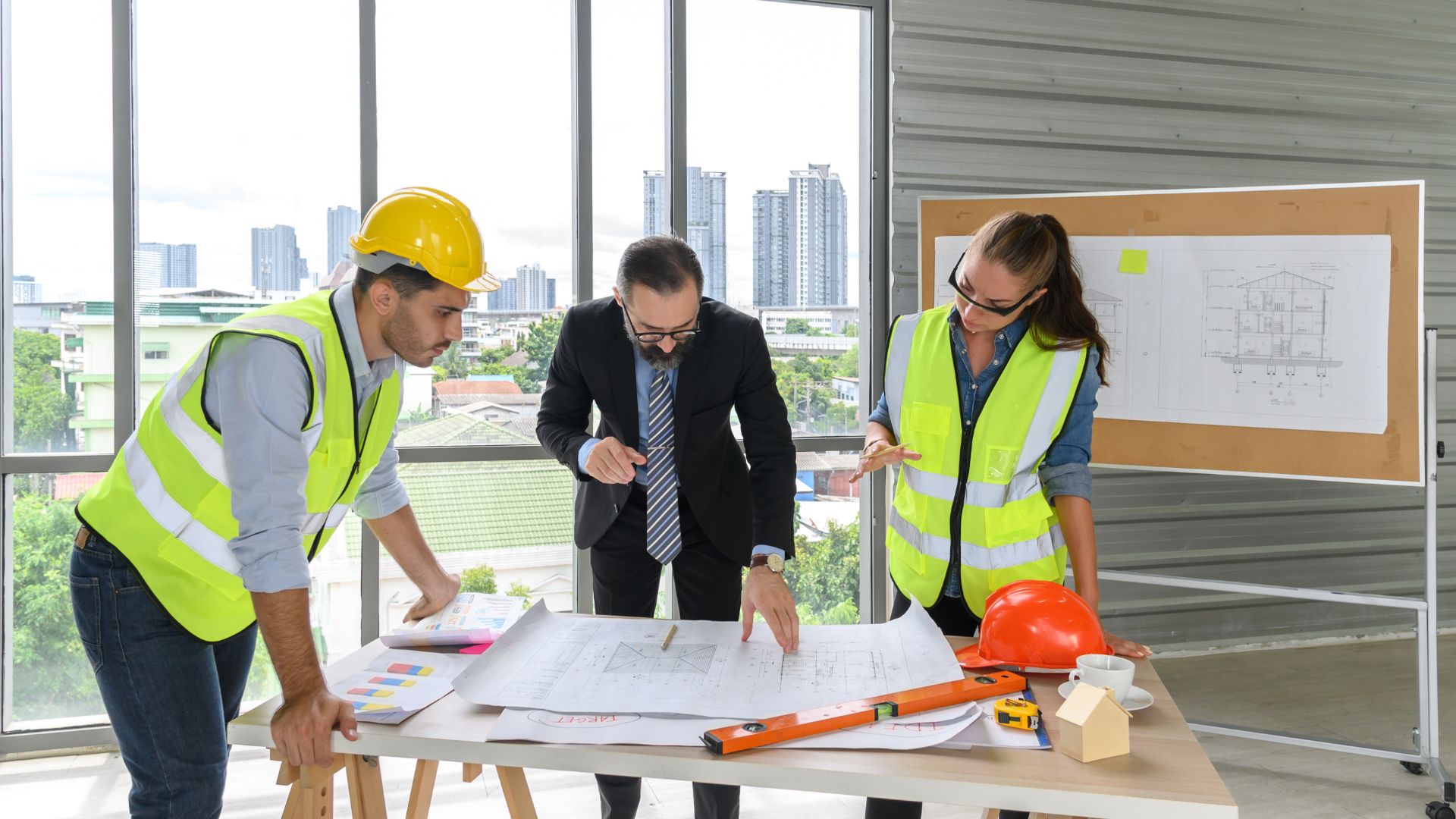
Balancing quality and efficiency is one of the toughest challenges in complex construction projects. With tight deadlines and high expectations, project teams often face trade-offs that can jeopardize outcomes. Quality ensures durability and safety, while efficiency keeps schedules and budgets on track. Finding the right balance is essential for long-term project success.
Understanding Quality and Efficiency in Construction
Quality and efficiency are core principles in any construction project. Understanding each concept and how they intersect is essential for project success. Both influence outcomes, yet they often appear at odds, especially in complex projects with competing demands. Defining these principles helps clarify their role and ensures they are effectively balanced throughout the process.
Quality in construction refers to meeting or exceeding the standards set for a project. These standards are typically defined by safety regulations, durability expectations, and adherence to design specifications. Safety is a non-negotiable measure of quality, ensuring that structures are stable and compliant with all building codes. Projects with high safety standards minimize risks for workers during construction and for occupants after completion.
Durability plays an equally important role. Structures must stand the test of time, resisting wear and external forces such as weather and natural disasters. Materials must be chosen wisely to match the design’s intended lifespan. For example, steel-reinforced concrete is often used in high-rise buildings because of its strength and resilience. Without durability, even the most visually striking structures would fail to fulfill their purpose.
Design standards are the third pillar of quality. These ensure that the completed structure aligns with the client’s vision and functional requirements. Whether it’s a sleek office tower or a functional warehouse, precision in execution reflects attention to detail. Quality construction also considers environmental impact, integrating energy-efficient designs and sustainable practices that meet modern expectations.
“Efficiency in construction revolves around optimizing resources such as time, money, and materials” says Rami Tawahsa. “While it may seem straightforward, achieving efficiency in large-scale projects requires meticulous planning and execution. Time efficiency focuses on completing tasks within the set schedule, minimizing delays caused by poor coordination or unforeseen issues. Efficient timelines save costs but also keep stakeholders satisfied.”
Cost efficiency is equally important in construction. Budgets must be adhered to, balancing material costs, labor expenses, and overhead. Effective cost management begins with making smart decisions. For example, investing in high-quality materials might seem more expensive upfront but often reduces long-term maintenance costs, providing better value overall.
Resource efficiency includes using materials wisely to prevent waste and ensuring labor productivity remains high. Advanced planning tools, such as Building Information Modeling (BIM), have become invaluable in this regard. They help teams visualize every stage of the project, improving coordination and reducing errors that could lead to wasted effort.
Together, these three aspects of efficiency—time, cost, and resource management—create a system that minimizes waste while maximizing output. Understanding this balance improves project flow and ensures that goals are met within constraints, something every construction team strives to achieve.
Challenges in Balancing Quality and Efficiency
Balancing quality and efficiency in construction is rarely straightforward. Complex projects often involve competing priorities that make achieving both difficult. Teams must meet high standards while working within strict constraints.
Budget constraints are common in construction and can significantly impact decision-making. Every project operates within financial limits, forcing managers to prioritize spending. Yet, cutting costs too aggressively can jeopardize quality. For example, opting for low-cost materials might save money initially but lead to structural issues or higher maintenance expenses down the road.
On the other hand, prioritizing quality standards often increases costs, as premium materials and skilled labor don’t come cheap. Balancing these demands involves trade-offs, where every financial choice must be carefully evaluated. Decision-makers face the constant pressure of staying within budget without compromising the project’s integrity. Striking this balance requires careful planning, accurate forecasts, and clear communication between all stakeholders.
Tight deadlines are another significant hurdle in managing quality and efficiency. Construction timelines are often set based on client requirements, weather conditions, or financial agreements. These schedules can push teams to prioritize speed over thoroughness. When rushed, errors can occur, ranging from misaligned structural components to overlooked safety checks.
Limited access to essential resources—whether materials, labor, or technology—complicates construction projects. Materials shortages, for instance, may force teams to use alternatives that don’t perfectly align with the original design. This can affect durability or overall performance. Similarly, a lack of skilled labor can hinder progress, as untrained workers may struggle to meet quality benchmarks.
Balancing quality and efficiency in construction projects requires intentional strategies tailored to each phase. Projects often face overlapping demands, but taking the right steps early on can prevent complications later. From planning the workflow to ensuring skilled labor, each approach contributes to maintaining the equilibrium between high standards and timely completion.
Effective Project Planning
Thorough planning is the foundation for balancing quality and efficiency. When projects begin without clear direction, the risk of delays, miscommunication, or costly adjustments increases. A detailed plan provides a roadmap for every phase, outlining timelines, resource allocations, and contingencies for unexpected challenges.
Breaking the project into manageable stages ensures that no aspect is overlooked. It also allows supervisors to monitor progress and make corrections before minor issues become major setbacks. For example, scheduling regular review points ensures that each part of the project aligns with goals for quality and efficiency. Using tools such as Gantt charts or Building Information Modeling (BIM) can further improve planning precision by visualizing tasks and anticipating potential bottlenecks.
By investing time in pre-construction planning, teams can set realistic goals and create a buffer for the inevitable surprises that come with complex builds. This preparation saves time, reduces costs, and ultimately safeguards quality standards.
Quality control measures are non-negotiable in achieving a balanced construction process. Forgetting to implement regular checks can result in costly rework or, worse, safety hazards. Quality should be embedded into every stage, from design to completion, rather than left as an afterthought.
Conducting site inspections and tests at key milestones ensures work meets specifications before moving forward. For example, testing concrete strength before progressing to upper levels prevents structural failures later. Documentation is equally important, as it provides accountability and a paper trail for compliance. Without this systematic approach, errors can go unnoticed until they escalate into more serious problems.
Standardized quality protocols, tailored to the project’s scale and complexity, help maintain consistency. They also reassure clients that their investment will meet their expectations. While these measures may seem time-consuming, they prevent future disruptions that could derail both quality and efficiency.
Balancing quality and efficiency in complex construction projects is an opportunity to achieve exceptional results. By prioritizing detailed planning, embracing innovative tools, and maintaining a skilled workforce, project teams can meet high standards while staying within constraints. Thoughtful strategies ensure durable, safe, and cost-effective outcomes that satisfy stakeholders and stand the test of time.
As construction methods and technologies continue to evolve, this balance remains critical to project success. Teams that master it deliver superior results while setting the stage for long-term innovation and growth.