Breast reconstruction has seen remarkable advancements in microsurgical techniques. These methods have revolutionized how surgeons restore shape and symmetry after mastectomy. Patients considering breast reconstruction gain not just physical transformation but also emotional healing.
Microsurgery offers precision unmatched by traditional methods, minimizing complications and enhancing recovery. Patients can anticipate a personalized approach, involving intricate work that requires expert hands. Through this, they find hope and regain confidence, feeling whole once again. For many, these techniques represent a vital step in reclaiming their well-being.
Understanding Advanced Microsurgical Techniques
Advanced microsurgical techniques in breast reconstruction are pivotal in achieving precise and effective results. These procedures, which require highly specialized skills, allow surgeons to restore both the physical appearance and emotional well-being of patients. Microsurgery, using a microscope, enables surgeons to repair small blood vessels and nerves, often just a few millimeters wide, and transfer tissue to recreate natural breast contours. This approach reduces scarring and improves functionality, making it a preferred option in reconstructive surgery.
Several microsurgical techniques are employed, each tailored to a patient’s specific needs. The DIEP (Deep Inferior Epigastric Perforator) flap technique transfers skin and fat from the lower abdomen while preserving abdominal muscles, minimizing donor site complications, and offering natural results with a quicker recovery. The TRAM (Transverse Rectus Abdominis Muscle) flap uses abdominal tissue, including part of the rectus muscle, providing a strong blood supply to the reconstructed breast but potentially causing muscle weakness at the donor site. Free flap procedures involve detaching tissue and blood vessels from one area and reattaching them to the chest, offering flexibility in sculpting a new breast.
Advanced microsurgical techniques provide both physical restoration and emotional healing, helping patients approach breast reconstruction with confidence.
The Breast Reconstruction Process
Breast reconstruction with advanced microsurgical techniques offers patients a comprehensive journey from planning to recovery. Each stage ensures that the surgeon crafts a personalized plan, culminating in optimal outcomes and patient satisfaction.
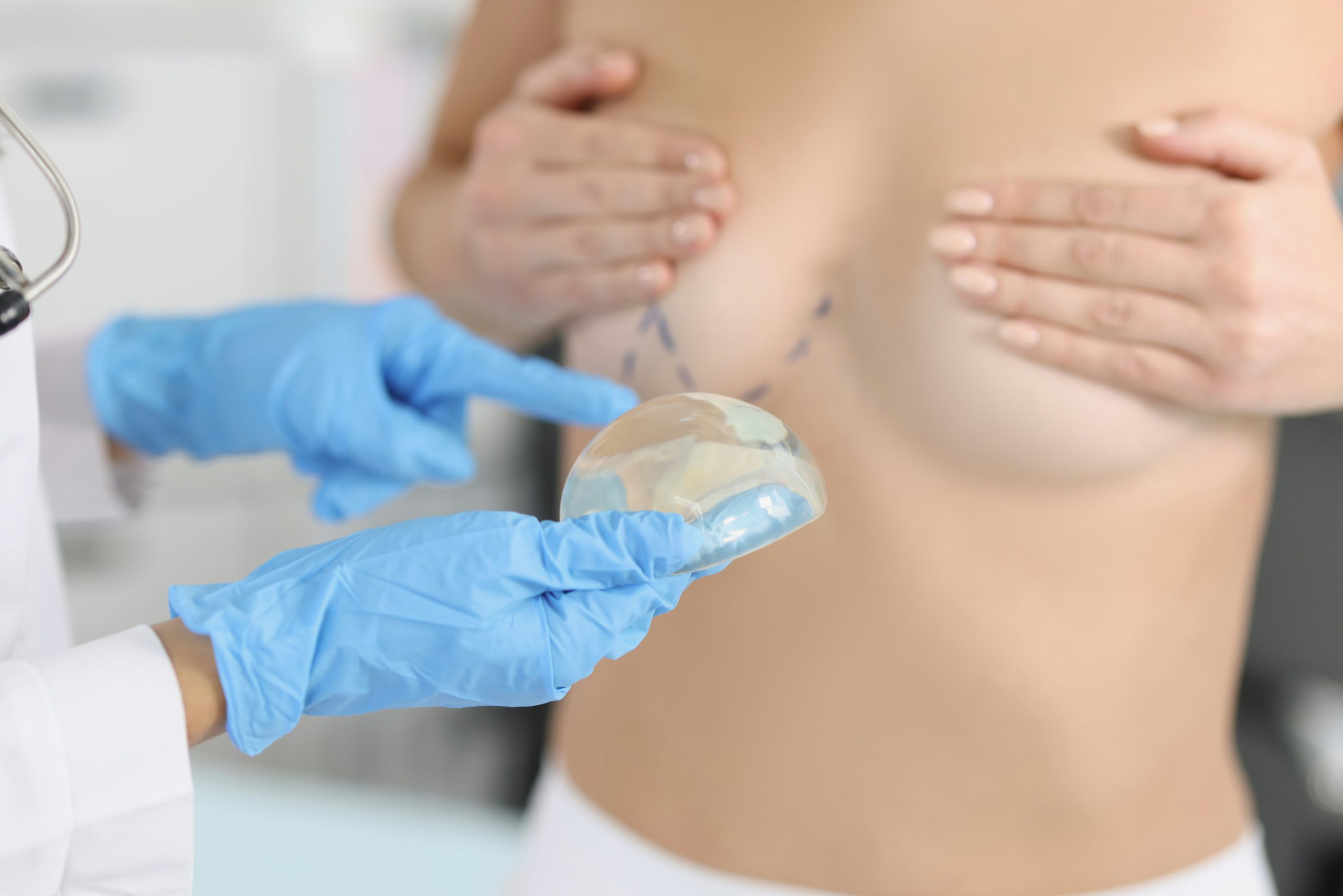
During the initial consultation, patients meet their surgeon to discuss goals and expectations. This visit is crucial for understanding the available microsurgical techniques and selecting a method tailored to individual needs. The surgeon conducts a thorough assessment, reviewing medical history and the patient’s overall health. They explain potential outcomes, risks, and benefits, providing detailed information that aids decision-making, and forming a plan.
The surgical process begins with anesthesia, ensuring the patient remains comfortable and pain-free. The microsurgeon then proceeds with the chosen technique, which may involve intricate procedures like the DIEP or free flap methods. These techniques require precision and skill, as the surgeon transfers tissue to reconstruct the breast. Attention to detail is essential, as the microsurgeon must connect delicate blood vessels under a microscope. The surgery concludes with careful suturing, aiming to minimize scarring and enhance cosmetic results. Recovery time varies, but patients typically transition from the operating room to a recovery area for monitoring.
Post-operative care plays a vital role in the healing process. Patients receive clear instructions on wound care, medication, and activity restrictions. Regular follow-up appointments with the surgeon ensure that recovery progresses smoothly. During these visits, the medical team monitors healing and addresses any concerns. Proper care significantly impacts the success of the surgery and the patient’s overall satisfaction. Adopting healthy lifestyle choices and adhering to medical advice supports long-term recovery and desired aesthetic results.
Benefits of Advanced Techniques
The benefits of advanced microsurgical techniques in breast reconstruction are varied and significant. These methods offer improvements in aesthetic results, recovery times, and complication rates. Patients can expect not only physical restoration but also a smoother overall experience.
“Advanced microsurgical techniques provide patients with results that look and feel natural,” says Dr. Leif Rogers, a respected plastic surgeon practicing in Beverly Hills, California. “Unlike traditional options, these procedures focus on preserving a woman’s unique physique.”
By using the patient’s own tissue, surgeons achieve a seamless blend with existing body contours. This approach results in a more authentic appearance, making the reconstructed breast virtually indistinguishable from the natural one. Patients often experience increased confidence and satisfaction with their appearance, which aids emotional recovery.
One major advantage of these techniques is the shorter recovery period. With traditional methods, recovery often takes longer due to more extensive scarring and muscle involvement. In contrast, advanced microsurgery prioritizes the preservation of muscle function and minimizes tissue damage. This leads to less postoperative pain and a quicker return to daily activities. Many patients can resume light activities within a few weeks, easing the process of moving forward after surgery. This benefit is particularly valuable for those eager to regain their normal routines.
Advanced microsurgical procedures generally result in fewer complications. This is because they emphasize precision and patient-specific solutions. By precisely reconnecting blood vessels and using meticulous planning, these techniques minimize the risk of tissue loss and other issues. Fewer complications mean a more predictable healing process and a smoother path to recovery.
What Patients Should Expect
Navigating the process of advanced microsurgical techniques for breast reconstruction can be daunting. Patients embarking on this journey should be well-informed about what lies ahead.
Undergoing breast reconstruction is a physical and emotional journey. Patients should brace themselves for a mix of feelings before and after surgery. Anticipation and anxiety are common emotions. Understanding these feelings is crucial to managing them effectively.
To prepare physically, patients should maintain a healthy lifestyle. Regular exercise, a balanced diet, and sufficient rest can aid recovery. Doctors may recommend specific exercises to strengthen areas of the body involved in the surgery. Patients should follow these recommendations closely.
Mentally, a support system is invaluable. Sharing thoughts and concerns with family, friends, or support groups can relieve stress. Many find comfort in speaking with past patients who understand the experience firsthand. Preparation is about equipping oneself to face the future with hope and resilience.
Open dialogue with the surgeon is important for clarity and reassurance. Patients should come to consultations prepared with questions, ensuring they understand every aspect of the process. When patients engage in these conversations, they empower themselves with the knowledge needed for a successful breast reconstruction journey.
Advanced microsurgical techniques in breast reconstruction deliver transformative benefits, reshaping the healthcare experience for many patients. These procedures restore physical form with precision and offer an emotional lift for those recovering from a mastectomy. The journey through breast reconstruction is multifaceted, with every step carefully orchestrated to ensure patient comfort and success.
Patients embarking on this process can expect significant advancements in surgical methods. They will encounter sophisticated techniques that prioritize natural aesthetics and quicker recovery times. Surgeons use the DIEP flap and other procedures to optimize results, ensuring alignment with personal preferences and physical characteristics. The attention to detail and customization in these techniques reflect the patient-centered approach inherent to modern microsurgery.
Ultimately, advanced microsurgical techniques redefine the physical landscape and encourage a profound sense of renewal. This transformative journey is marked by care, precision, and a dedication to patient well-being. As patients move forward, they experience not just reconstruction, but a reimagining of self, grounded in resilience and newfound confidence.