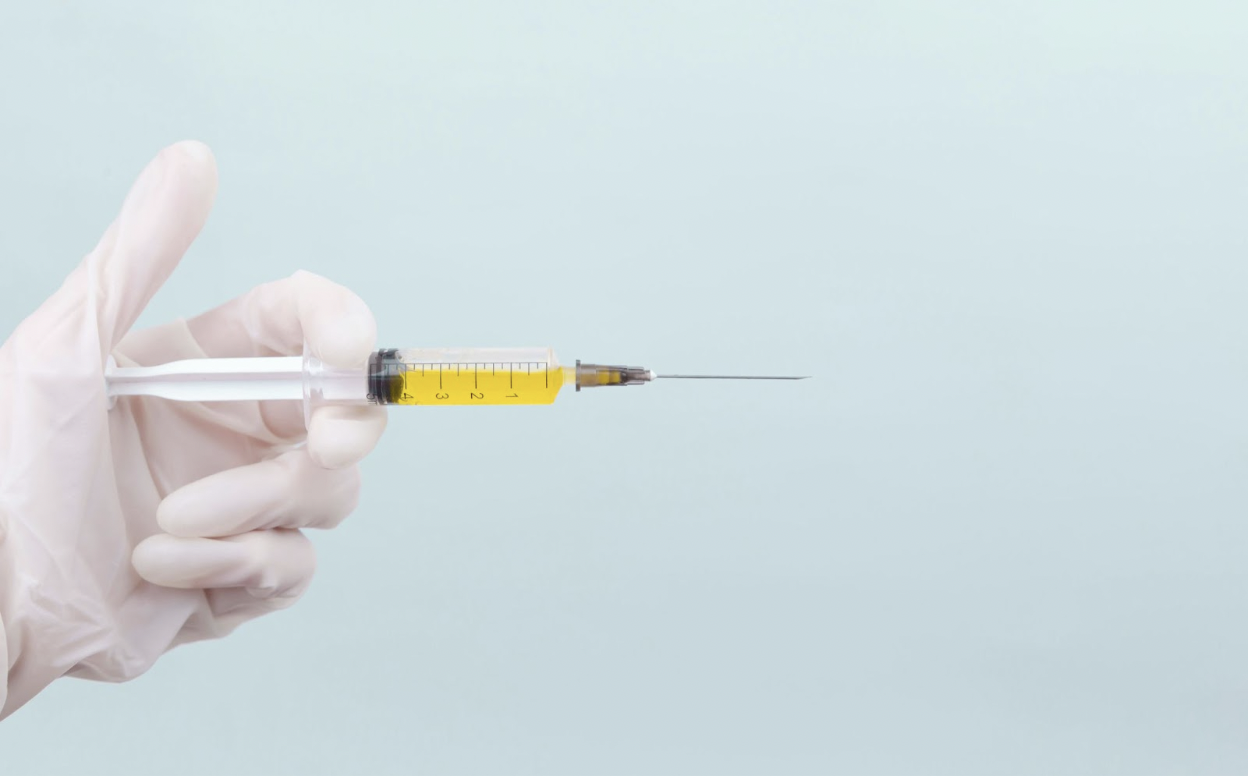
Even just eight years ago, the idea of using medication to trigger lasting weight loss was only a dream. All that has changed, however. Today, innovative pharmaceutical solutions like Ozempic and Wegovy — two brand names for a medication called semaglutide — have gained FDA approval and come onto the market.
Prominent celebrities like Sharon Osbourne and Emily Simpson have even turned to this solution, but does it live up to all the hype? According to Sergio Padron, founder and CEO of MD Exam, new weight-loss medications can be a real game changer for many people, but he stresses that there is still no magic pill.
A powerful solution for access weight and obesity
“If you’ve tried everything else but it didn’t work, it would make sense that you’d be skeptical of these new drugs,” Padron says. “I won’t blame you for being wary, but I’d still recommend trying them. In my experience, 90 percent of our patients who have completed a 90-day supply of semaglutide have been happy with their progress. That’s a conservative estimate. Hardly anyone is dissatisfied with their results.”
This is very good news for the 42 percent of Americans and 39 percent of adults around the world who fall in the “obese” or “overweight” category. Excess weight is not only a problem in and of itself due to the extra strain it places on the body, but it also elevates people’s risk of contracting diabetes, certain cancers, and heart disease. These painful, debilitating diseases can prove deadly.
“Semaglutide and other new weight-loss drugs offer a powerful way to end the obesity epidemic,” Padron explains. “Since obesity often goes hand-in-hand with depression and other psychological problems, they also promise to help people improve their mental health.”
How does semaglutide work? Through the power of hormones.
Mimicking the hormone that makes you feel full
Hormones are key in regulating, maintaining, gaining, and losing weight. The body experiences semaglutide in the same way as a hormone called GLP-1, which the body automatically releases in response to eating. GLP-1 naturally boosts the body’s production of insulin, reducing blood sugar.
Most importantly, however, it makes you feel full. “Essentially, semaglutide sends a message to your brain that says you aren’t hungry anymore,” Padron explains. “You feel so sated that you no longer want to eat.”
As a result, studies indicate that seven out of 10 people who take semaglutide lose a substantial amount of weight. How much? Nearly 15 pounds in three months and 27 pounds in six, equating to almost five pounds per month.
“If you’ve been overweight for years and tried diet after diet, you know how amazing it feels to lose even just half a pound,” Padron says. “Now imagine a way to consistently lose more than a pound every week.”
Mimicking the hormone that makes you feel full
For most people, semaglutide is the answer. For the minority it doesn’t help, however, Padron has another option. “We move those patients to tirzepatide, which goes by the brand name Mounjaro,” he explains.
Like semaglutide, tirzepatide apes hormones in the intestines that signal satiety after a meal. In addition, it slows the stomach down, which reduces appetite.
What if that doesn’t work? That’s very rare, according to Padron, whose team also has recourse to other solutions, including a classic drug that has helped people lose weight for over 40 years. As a result of these groundbreaking new approaches, people of all ages can transform their lives like never before.
“Nobody wants to be depressed all the time, but when you are obese, that’s what tends to happen,” Padron says. “Being obese can mean being swaddled in depression, but as soon as you start shedding those excess pounds, you also start feeling better. No matter how much weight you aim to lose in the end, even just starting to see the scale heading in the right direction is a powerful, positive experience. If you’re like most people, you’ll immediately become more confident.”
Still, Padron emphasizes that these new medications aren’t magic pills.
Medication works best with a comprehensive habit-change plan
Today’s weight-loss medications work best when combined with other healthy habits. “For one thing, you need to be motivated to lose weight because it’s not going to happen on its own,” Padron says. “You also need to prioritize exercise, proper nutrition, and drinking a lot of water. However, if you do those things and take these pills, then they will help you lose weight, and it can feel like magic.”
To better support patients during these parts of their weight-loss journey, Padron and his team offer a holistic exercise program and personalized instruction in changing daily habits. Patients are also connected to others walking the same path via online support groups. “It’s a lot easier to achieve your goals when surrounded by people who care about you, value good health, and want the same things for themselves,” Padron explains.
Change your life with today’s weight-loss solutions
While the benefits of semaglutide, tirzepatide, and other medical interventions might sound too good to be true, they are grounded in scientific reality. If you need to lose weight, don’t delay another day. Consider trying them out for yourself.