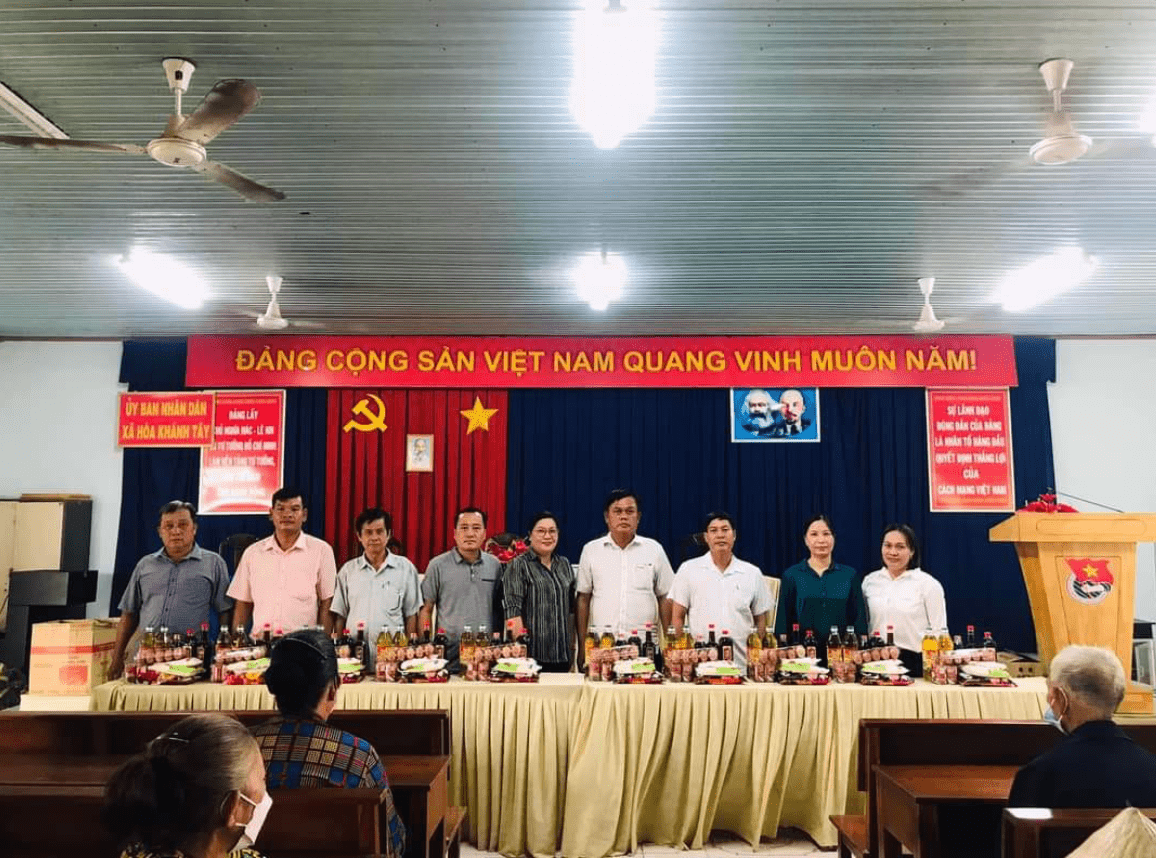
Philanthropy and charitable work usually involve non-profit organizations working as charities that help the underprivileged and needy by offering financial assistance. Charities receive money from sponsors and donors and distribute the collected funds or essential items bought from the funds to the people in need. Traditional charities usually function on a donor-charity-recipient model where charity managers or representatives manage funds according to their expertise and experience. However, the existing charity model involves several drawbacks and limitations due to limited transparency and lack of donors’ direct involvement. Contemporary philanthropic and charitable models comprising innovative approaches like crowdsourcing and distributed networks are essential for alleviating the limitations and drawbacks of traditional charities.
Traditional charities involve several drawbacks and issues that necessitate using innovative and contemporary philanthropic approaches. A lack of donors and disruptions caused by the absence or discontinuation of donations from particular sources are among the primary issues of conventional charities. Traditional charities typically rely on the generosity of limited donors and their funds for achieving philanthropic objectives. However, the charities face financial challenges and even shut down when the limited benefactors decide to stop their donations. Traditional charities also face fund management challenges because managers utilize the funds inefficiently or on the wrong resources that do not accomplish objectives effectively. The limited transparency in traditional charities is also a significant problem causing cost overruns for essential items acquired for recipients or lack of adequate information about the beneficiaries.
Many charities offer funds and essential goods like food or medicines to random people rather than searching for the proper recipients based on needs. Fund mismanagement is common in many conventional charities because charity managers or representatives misuse the funds for personal objectives. Offering money rather than essential goods to beneficiaries is also a significant problem because the recipients may use the money on unnecessary or unessential items rather than on food, housing, medicines, and other essential needs. However, contemporary philanthropic models like the crowdsourcing-based distributed charitable network focusing on receiving and donating products rather than money can alleviate the drawbacks of conventional charities. Từ Thiện 4.0 (TT4) introduced a new and unique charity framework for addressing and eliminating the issues of traditional charities.
Từ Thiện 4.0 (TT4) or English Charity 4.0 (C4) is an innovative crowdsourcing-based distributed charitable network focusing on products rather than money to improve transparency, maximize funding resources, and enhance fund efficiency. Quoc Duy Vo founded the charity in March 2022 to eliminate the inefficiencies and discrepancies of the traditional charity framework. C4 is a Vietnamese non-profit organization in the Long An province of the country that utilizes a distributed crowdsourcing-based model for helping people in need. The organization’s framework motivates people to contribute to charity regardless of their financial or social background by eliminating the requirement of large donations.
C4 or TT4 utilizes crowdsourcing to maximize the number of donors and eliminate the reliance on a few large donors. The distributed network prevents service or operational disruptions caused by limited financial resources by motivating many people to contribute even the smallest amount as an alternative to requesting a few people for large sums of money. The innovative model also enhances transparency and fund management by relying on essential goods like medicines and other products rather than cash donations. The system works like a buy-one-get-one-free model utilized in retail companies to motivate donors to buy and donate more products. Donors purchase products and give them to TT4, which offers one of the items to the needy while selling the other for more proceeds and donors.
English Charity or Từ Thiện 4.0 comprises two primary components: the Product Sharing System (PSS) and the Full Sharing Charity (FSC). The charity’s FSC model involves donating products or goods directly to the needy or giving the products to the charity for resale purposes. C4 sells the donated products and uses the proceeds to purchase other essential items like medicines or healthcare supplies. TT4 uses the donated products under the product giving system (PGS) and the product sharing system (PSS). The PGS involves giving free products to the underprivileged, while the PSS sells products to donors and uses the proceeds to help the needy. The distributed network and crowdsourcing mechanism eliminate fund mismanagement, resource inefficiencies, and other drawbacks of traditional charities by replacing cash with essential goods.