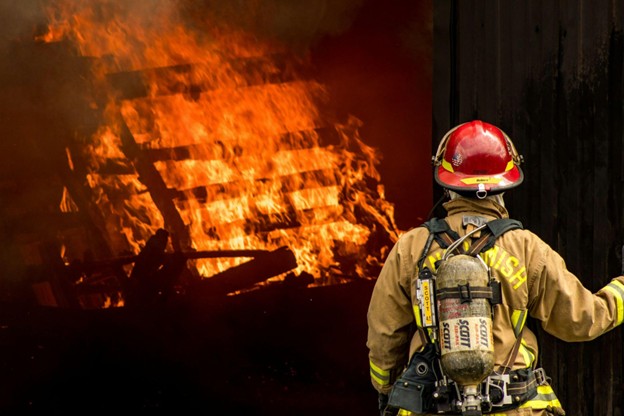
Frank Dahlquist, a seasoned fire service leader with over two decades in leadership and training has built his career on the guiding principle that readiness saves lives. In a profession defined by uncertainty, the balance between courage and caution becomes a daily test. For Dahlquist, every decision on the fireground, and every moment spent preparing for it reflects the delicate art of managing risk without hesitation.
The Reality of Risk in Modern Firefighting
Firefighting has always carried inherent danger, but the nature of that danger has evolved. Modern structures burn faster and hotter, hazardous materials are more complex, and calls now include a wider range of emergencies from medical incidents to natural disasters. The traditional image of the firefighter facing down flames only captures part of the story. Today’s firefighters must be trained scientists, technicians, and tacticians, able to assess unseen threats in seconds.
“Every call carries its own type of risk,” says Frank Dahlquist. “We’re not here to eliminate danger, but instead we are tasked with recognizing it, understanding it, and acting decisively within it.”
This understanding defines the difference between reaction and readiness. Whether responding to a multi-alarm blaze or a vehicle accident, situational awareness is the anchor. Firefighters must read the environment. Smoke patterns, heat movement, construction type, and even subtle sounds can signal changing conditions. The more they know before stepping inside, the safer their actions will be.
Readiness begins long before the alarm sounds. It starts with training, repetition, and discipline. The fire service thrives on muscle memory, the ability to act under stress without hesitation or confusion.
Daily drills, scenario-based exercises, and cross-training ensure crews move as one unit, each person understanding their role as well as everyone else’s. Departments that prioritize physical conditioning and continuous learning are better equipped to handle the chaos of an emergency.
The goal is to make preparation second nature. Readiness also includes mental resilience. Firefighters operate under extreme stress, often facing traumatic events. Building readiness requires attention to mental health and teaching personnel how to process, recover, and remain focused. Peer support programs and open dialogue are now vital parts of department culture.
No amount of preparation can remove the need for split-second decisions. Firefighters routinely weigh the lives they can save against the risk of losing their own. This moment, the decision to enter, advance, or withdraw is the true test of professional judgment.
For Dahlquist, that decision hinges on communication and experience. The officer’s command presence, supported by accurate size-up and feedback from crew members, determines whether a team moves forward or reassesses. Judgment defines a firefighter, not bravery. Balancing safety and courage in firefighting means recognizing that courage without judgment becomes recklessness.
This distinction points to the culture of accountability that defines professional firefighting. Every move must be intentional. Modern departments teach risk assessment through data-driven models, analyzing historical incidents to prevent repetition of past mistakes. From line-of-duty death investigations to after-action reviews, the focus is on learning, not blame. The lessons extracted from tragedy shape future policy and training, turning pain into progress.
Leadership and Trust on the Fireground
Effective leadership is another cornerstone of balancing risk and readiness. Firefighters depend on one another under conditions that leave no room for doubt. A leader’s tone, clarity, and calm can steer an entire crew through danger. Dahlquist believes that leadership is built long before the first command is given.
Trust starts in the station and is earned during training, in conversations, and by how each person participates. On scene, that trust turns into action. Firefighter readiness training techniques support building trust and taking that action.
Communication between command officers and firefighters determines both efficiency and safety. Clear language, shared terminology, and constant updates keep everyone aligned. The Incident Command System in firefighting, now standard in service operations, provides structure for this coordination. Each rank understands its authority and limits, preventing confusion during high-stakes operations.
Leaders also balance empathy with firmness. They must recognize fatigue, fear, or overconfidence and intervene before those emotions endanger the mission. The strongest leaders model composure under pressure and encourage questions, not silence.
“Confidence should never silence team members’ tactical observations,” notes Dahlquist. “Good leaders invite communication because they know lives depend on it.”
Adapting to New Threats and Technologies
Firefighters today face an expanding range of hazards, from electric vehicle fires and synthetic materials to wildland-urban interface incidents. Each requires unique tactics and safety considerations. Departments now train with thermal imaging cameras, drones, and digital sensors that monitor air quality and heat levels. Technology enhances awareness, but Dahlquist warns that it cannot replace human intuition.
Continuous education helps firefighters adapt to these new realities. Courses in building science, hazardous materials, and emergency medicine prepare crews to respond intelligently rather than react impulsively. As technology evolves, the best departments will be those that blend new tools with traditional discipline.
Behind every emergency call lies a personal toll. Firefighters face physical danger, long hours, and exposure to trauma that can accumulate quietly over time. Departments now acknowledge that readiness includes recovery. Proper rest, counseling, and peer outreach have become part of standard operations.
“The hardest thing to teach isn’t how to fight fire but how to step back when you need to. We’re trained to push forward, but true readiness means knowing your limits and looking out for your team’s wellbeing,” says Dahlquist.
This perspective has shaped a culture of accountability around mental and emotional health. Departments across the country now emphasize post-incident debriefs and mental fitness training, recognizing that a healthy firefighter is a more effective firefighter. The focus has shifted from endurance alone to holistic sustainability, a necessary change in a profession that demands so much.
From the front lines of firefighting, Dahlquist’s insights support the constant truth that safety and service are not opposing forces but instead depend on each other. Firefighters who train with purpose, lead with empathy, and assess risk with clarity create safer outcomes for both crews and communities.
The balance between risk and readiness is never static. It shifts with every new threat, every new tool, and every new generation entering the firehouse.
What remains constant is the calling, a commitment to act when others cannot, to think clearly amid chaos, and to prepare relentlessly when no one is watching. Firefighting will always demand courage, and readiness is what gives courage direction.